
Punsch
A sweet arrack-based liqueur enjoyed warm or chilled in Sweden and Finland
Punsch is a liqueur from Sweden and Finland, made by blending arrack (a spirit from Southeast Asia), sugar, water, and often lemon and spices. Traditionally served both warm and cold, it is enjoyed on its own, in cocktails, and as a flavoring in sweets and desserts. Punsch has a long history, tied to Swedish social and student life.
- Made from arrack, sugar, water, lemon, and spices
- Served both warm and chilled in Sweden and Finland
- Traditionally paired with pea soup and pancakes on Thursdays
- Used in Swedish pastries and chocolates
- Bottled punsch has been sold since the 19th century
What is Punsch?
Punsch is a sweet, aromatic liqueur with a golden color, made mainly from arrack (a distilled spirit from Southeast Asia), sugar, water, and often lemon and spices. It has a distinctive flavor, combining the warmth of arrack with citrus and spice notes, and a syrupy texture due to its high sugar content. Punsch is enjoyed both as a drink and as a flavoring in Swedish and Finnish sweets and pastries. It is typically bottled at around 25% alcohol by volume.
Where does Punsch come from?
Punsch arrived in Sweden in the early 18th century, brought from Java by the Swedish East India Company in 1733. Its main ingredient, arrack, was imported from Batavia (now Jakarta) in the Dutch East Indies. Punsch became popular among the wealthy, then spread across Swedish society, including students and the military. The drink’s name and tradition were shaped by European adaptations of punch, a drink that had come to Europe from India. By the late 19th century, bottled punsch became common, making it accessible to more people.
How is Punsch made?
Traditionally, punsch was mixed just before serving by dissolving sugar in hot water, then adding arrack and sometimes wine, lemon, and spices. Today, it is usually bought as a bottled liqueur. The main components are arrack, sugar, water, and flavorings such as lemon and spices. It can be served warm, often by gently heating, or chilled over ice. Some versions add brandy or rum for extra depth.


How and when is Punsch eaten?
Punsch is drunk both warm and chilled, depending on the season and occasion. In Sweden, it is a classic pairing with yellow pea and pork soup (ärtsoppa) and pancakes, especially on Thursdays. It is also served at student dinners and winter festivals, and used in cocktails. Punsch flavors popular confections like punschpralin (a chocolate) and punschrulle (a pastry), and is found in ice cream and cakes.
Kinds of Punsch
There are several named versions of punsch, including Militär Punsch and Caloric Punsch, as well as many brands from Sweden and Finland. Some recipes use brandy or rum in addition to arrack. Punsch is also mixed into various cocktails, such as the Doctor cocktail and Diki-Diki. In desserts, it appears in pralines, pastries, and ice cream. Bottled punsch brands differ in sweetness and strength.
What Punsch means
Punsch holds a special place in Swedish culture, associated with student life, social gatherings, and traditional meals. It appears in Swedish literature and songs, notably in the works of Carl Michael Bellman. The drink was so popular that outdoor porches were sometimes called 'punschverandas.' It is also linked to Thursday dinners and winter festivities, and remains a nostalgic symbol of Swedish conviviality.
Questions people ask about Punsch
What is punsch made of?
Punsch is made by blending arrack (a Southeast Asian spirit), sugar, water, and often lemon and spices. Some versions also include brandy or rum.
Where does punsch come from?
Punsch comes from Sweden, where it was introduced in the 18th century after arrack was imported from Java. It is also popular in Finland.
How is punsch usually served?
Punsch can be served warm, especially in winter or with traditional meals, or chilled over ice. It is also used in cocktails and as a flavoring in desserts.
What does punsch taste like?
Punsch has a sweet, aromatic flavor with notes of citrus and spice, and a syrupy texture from its high sugar content.
Is punsch used in food?
Yes, punsch is used to flavor Swedish sweets like punschpralin (chocolates), punschrulle (pastries), and even ice cream.
Good reading and sources
- How About a Nice Swedish Punsch?The New York Times, Article
- What to drink in your country?BBC, Article
The facts on this page come from the Wikipedia article "Punsch", written by its contributors and used under the CC BY-SA 4.0 licence, and from its Wikidata record (CC0). Thali rewrote the text in its own words, with AI assistance, and compares every page with the article to make sure no passage is copied. It may be reused under the same CC BY-SA 4.0 licence with a link back.
It may contain mistakes, and it is not dietary or allergy advice: recipes differ from cook to cook. If something is wrong, tell us. Last refreshed 2026-10-03.
More from Sweden
All the food of Sweden VodkaVeganwódka
🇷🇺 Russia and 5 moreA clear spirit distilled from grains or potatoes, known for its neutral taste
Drink
VodkaVeganwódka
🇷🇺 Russia and 5 moreA clear spirit distilled from grains or potatoes, known for its neutral taste
Drink
 MarzipanVegetarian
🇩🇪 Germany and 5 moreSweet almond paste shaped or used in cakes, especially at Christmas and weddings
Sweet or dessert, Snacks, Tea time
MarzipanVegetarian
🇩🇪 Germany and 5 moreSweet almond paste shaped or used in cakes, especially at Christmas and weddings
Sweet or dessert, Snacks, Tea time
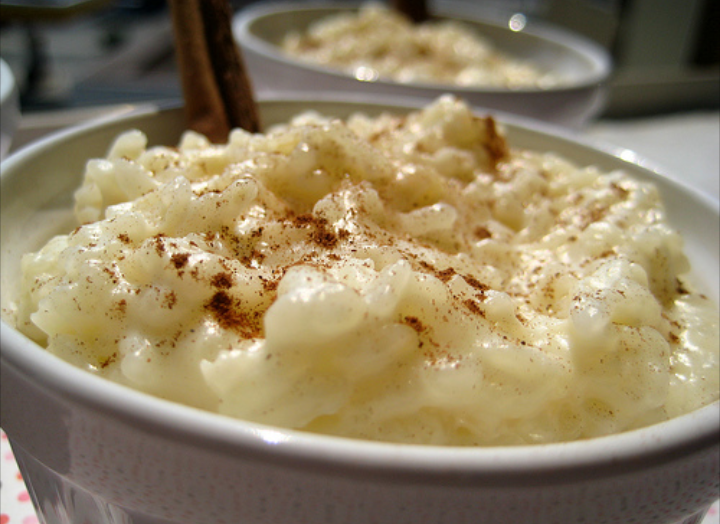 Rice pudding
🇮🇳 India and 4 moreSweetened rice cooked in milk, found in many forms worldwide
Sweet or dessert, Breakfast, Lunch
AkvavitVegan
🇳🇴 Norway and 4 moreA Scandinavian spirit flavoured with caraway or dill, often enjoyed at festive meals
Drink, Dinner, Lunch
Rice pudding
🇮🇳 India and 4 moreSweetened rice cooked in milk, found in many forms worldwide
Sweet or dessert, Breakfast, Lunch
AkvavitVegan
🇳🇴 Norway and 4 moreA Scandinavian spirit flavoured with caraway or dill, often enjoyed at festive meals
Drink, Dinner, Lunch
Its cousins elsewhere
All drinks Punchपंच
🇮🇳 India and 5 moreA party drink of fruit juice, sweetener, and sometimes alcohol, served in a large bowl
Drink, Snacks
Punchपंच
🇮🇳 India and 5 moreA party drink of fruit juice, sweetener, and sometimes alcohol, served in a large bowl
Drink, Snacks
 TeaVegan茶
🇨🇳 China and 5 moreA drink made by soaking tea leaves in hot or cold water
Drink
TeaVegan茶
🇨🇳 China and 5 moreA drink made by soaking tea leaves in hot or cold water
Drink
 Hot chocolate
🇲🇽 Mexico and 5 moreA warm drink made from chocolate or cocoa, milk or water, and sugar
Drink, Breakfast, Snacks
Hot chocolate
🇲🇽 Mexico and 5 moreA warm drink made from chocolate or cocoa, milk or water, and sugar
Drink, Breakfast, Snacks
 Turkish coffeeVeganTürk kahvesi
🇹🇷 Turkey and 5 moreUnfiltered coffee brewed in a small pot and served with its fine grounds
Drink, Snacks
Turkish coffeeVeganTürk kahvesi
🇹🇷 Turkey and 5 moreUnfiltered coffee brewed in a small pot and served with its fine grounds
Drink, Snacks