Akvavit
A Scandinavian spirit flavoured with caraway or dill, often enjoyed at festive meals
Akvavit is a clear or pale gold distilled spirit from Scandinavia, made from grain or potatoes and flavoured mainly with caraway or dill. It is a traditional drink at festive gatherings such as Christmas and Midsummer in countries like Norway, Sweden, and Denmark. Usually served in small glasses, it is enjoyed with rich foods and often accompanied by singing or toasts.
- Akvavit is flavoured mainly with caraway or dill
- It is a traditional drink at Nordic festive meals
- Norwegian Linje Aquavit is aged at sea, crossing the equator twice
- Unaged akvavit is clear; aged versions are golden
- Commonly served in a shot glass, often with singing in Sweden
What is Akvavit?
Akvavit is a strong, clear or golden spirit distilled from either grain or potatoes. Its defining taste comes from caraway or dill, and sometimes both, with other spices like fennel, cardamom, cumin, anise, and coriander adding complexity. The drink is usually bottled at around 40% alcohol by volume. Unaged versions are clear, while those aged in oak casks, especially in Norway, take on a straw or golden hue. The aroma and flavour are herbal and spicy, with the caraway or dill standing out.
Where does Akvavit come from?
Akvavit has been made in Scandinavia since at least the 15th century, with the earliest known mention in a Norwegian letter from 1531. The name comes from the Latin for 'water of life.' Traditionally, it was believed to have medicinal properties and was used to aid digestion. Each country in the region has developed its own styles and customs around the drink, and it remains a staple at festive meals and celebrations.
How is Akvavit made?
To make akvavit, distillers start with a base of grain or potatoes, which is fermented and then distilled. The spirit is then flavoured with botanicals, with caraway or dill as the dominant note. Swedish akvavit must also include fennel. Other spices like cardamom, cumin, anise, and coriander are often used. Some akvavit is aged in oak casks, which gives it a golden colour and mellows the flavours. Clear, unaged akvavit is called taffel.
How and when is Akvavit eaten?
Akvavit is usually served in small shot glasses, either chilled or at room temperature, depending on the country. In Sweden and Denmark, it is often drunk in one gulp, sometimes after singing a traditional song. In Norway, it is sipped slowly. The drink is commonly paired with rich foods such as pickled herring, crayfish, smoked fish, or festive meats, especially during Christmas, Easter, and midsummer feasts. Beer is often served alongside.
Kinds of Akvavit
Norwegian akvavit is often aged in oak casks, giving it a darker colour and deeper flavour, while Danish and Swedish versions are typically lighter and less aged. Linje Aquavit from Norway is matured at sea, crossing the equator twice before bottling, which is said to enhance its taste. German aquavit is usually made from grain and is slightly lower in alcohol. Modern producers outside Scandinavia, especially in the US and Canada, have developed their own takes on the drink.
What Akvavit means
Akvavit is deeply woven into the festive traditions of Scandinavia. It is a central part of Christmas, Easter, and midsummer celebrations, often accompanied by singing and toasts. In Norway, it is also enjoyed on Constitution Day. The drink is believed to help digest heavy meals and is a symbol of hospitality and togetherness. Some brands, like Linje Aquavit, have unique traditions, such as aging at sea, that are celebrated in local culture.
When Akvavit is on the table
Questions people ask about Akvavit
What is akvavit made of?
Akvavit is distilled from grain or potatoes and flavoured with caraway or dill as the main spice, often with other botanicals like fennel, cardamom, cumin, anise, and coriander.
Where does akvavit come from?
Akvavit originates from Scandinavia, with a long history in Norway, Sweden, and Denmark. It has been made there since at least the 15th century.
How is akvavit usually served?
Akvavit is typically served in small shot glasses, either chilled or at room temperature. In some countries, it is drunk quickly, while in others it is sipped slowly.
When is akvavit traditionally drunk?
It is an important part of festive gatherings, such as Christmas, Easter, and midsummer celebrations, and is often enjoyed with rich foods.
What does akvavit taste like?
The taste is herbal and spicy, with caraway or dill as the dominant flavour. Other spices may add complexity, and aged versions can have mellow, woody notes.
Good reading and sources
The facts on this page come from the Wikipedia article "Akvavit", written by its contributors and used under the CC BY-SA 4.0 licence, and from its Wikidata record (CC0). Thali rewrote the text in its own words, with AI assistance, and compares every page with the article to make sure no passage is copied. It may be reused under the same CC BY-SA 4.0 licence with a link back.
It may contain mistakes, and it is not dietary or allergy advice: recipes differ from cook to cook. If something is wrong, tell us. Last refreshed 2026-10-03.
More from Norway
All the food of Norway Fish and chipsFish or seafood
🇬🇧 United Kingdom and 8 moreBattered fried fish served hot with thick-cut chips
Main dish, Lunch, Dinner
Fish and chipsFish or seafood
🇬🇧 United Kingdom and 8 moreBattered fried fish served hot with thick-cut chips
Main dish, Lunch, Dinner
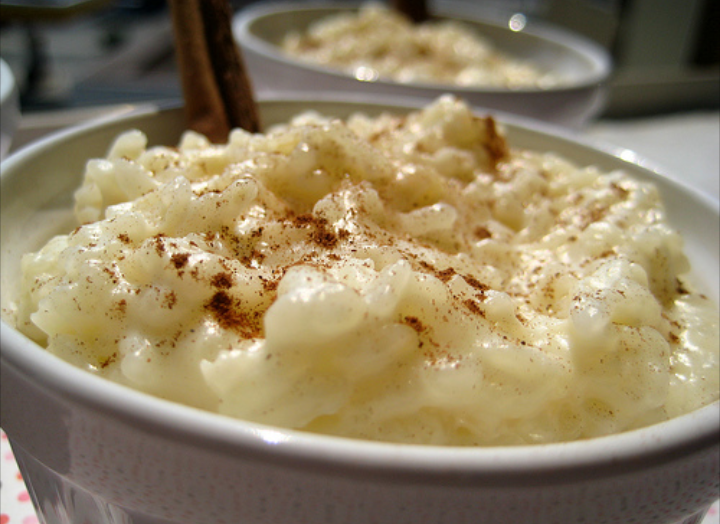 Rice pudding
🇮🇳 India and 4 moreSweetened rice cooked in milk, found in many forms worldwide
Sweet or dessert, Breakfast, Lunch
Rice pudding
🇮🇳 India and 4 moreSweetened rice cooked in milk, found in many forms worldwide
Sweet or dessert, Breakfast, Lunch
 Smörgåsbord
🇸🇪 Sweden and 2 moreA Swedish buffet meal with a spread of cold and hot dishes
Main dish, Lunch, Dinner
Smörgåsbord
🇸🇪 Sweden and 2 moreA Swedish buffet meal with a spread of cold and hot dishes
Main dish, Lunch, Dinner
 Cinnamon rollVegetarian
🇸🇪 Sweden and 4 moreA sweet rolled bun with cinnamon and sugar, baked and often topped with icing
Sweet or dessert, Breakfast, Tea time
Cinnamon rollVegetarian
🇸🇪 Sweden and 4 moreA sweet rolled bun with cinnamon and sugar, baked and often topped with icing
Sweet or dessert, Breakfast, Tea time
Its cousins elsewhere
All drinks VodkaVeganwódka
🇷🇺 Russia and 5 moreA clear spirit distilled from grains or potatoes, known for its neutral taste
Drink
VodkaVeganwódka
🇷🇺 Russia and 5 moreA clear spirit distilled from grains or potatoes, known for its neutral taste
Drink
 LassiVegetarian
🇮🇳 IndiaYogurt blended with water and spices, served chilled
Drink
LassiVegetarian
🇮🇳 IndiaYogurt blended with water and spices, served chilled
Drink
 KahwahVegan
🇮🇳 India and 2 moreA spiced green tea from Kashmir, often served with saffron and nuts
Drink
KahwahVegan
🇮🇳 India and 2 moreA spiced green tea from Kashmir, often served with saffron and nuts
Drink
 BorhaniVegetarianবোরহানী
🇧🇩 BangladeshA spiced yoghurt drink from Bangladesh, often served at weddings and festivals
Drink, Dinner, Snacks
BorhaniVegetarianবোরহানী
🇧🇩 BangladeshA spiced yoghurt drink from Bangladesh, often served at weddings and festivals
Drink, Dinner, Snacks