
Ragù
Italian meat sauce for pasta, made in many regional styles
Ragù is an Italian sauce made by simmering meat with vegetables and liquid, most often served over pasta. It takes many forms across Italy, from the well-known Bolognese to versions with sausage, duck, or large cuts of beef and pork. Ragù is a staple of Italian cooking, especially for festive meals.
- Ragù is always a meat sauce for pasta
- Bolognese and Neapolitan are the most famous styles
- Some versions use sausage, duck, or even horse meat
- Northern ragù uses more meat, southern more tomato
- The sauce is slow-cooked for deep flavor
What is Ragù?
Ragù is a slow-cooked sauce where meat is combined with vegetables and a liquid such as broth, wine, or tomato. The meat can be minced, ground, or left in large pieces, depending on the region. Some versions use beef, pork, or sausage, while others might include duck or even horse meat. The sauce is rich and hearty, sometimes with a deep tomato flavor, sometimes more focused on the meat. It is almost always paired with pasta.
Where does Ragù come from?
The word 'ragù' comes from the French 'ragoût.' The idea of a meat-based sauce for pasta appeared in northern Italy in the late 1700s. The first known recipe for ragù as a pasta sauce was written by a cook named Alberto Alvisi for a cardinal in Imola. Over the 1800s, ragù recipes became more common in Italian cookbooks. At first, these meat sauces were mostly for special occasions and the wealthy, since meat was expensive. As pasta became cheaper in the 20th century, ragù spread to more homes.
How is Ragù made?
To make ragù, cooks start by sautéing chopped vegetables, often onion, carrot, and celery. Meat is added, which can be minced, ground, or in large chunks, and browned. Liquids such as broth, wine, or tomato are poured in, and the mixture is simmered for a long time. The result is a thick, flavorful sauce. In some southern styles, the meat is removed after cooking and served separately.

How and when is Ragù eaten?
Ragù is most often served with pasta, making it a main dish at lunch or dinner. In some regions, the sauce is spooned over pasta as a first course, and the meat is eaten as a second course. It is a popular choice for family gatherings and festive meals, but is also enjoyed as an everyday food. The sauce is usually ladled generously over the pasta, with grated cheese sometimes added on top.
Kinds of Ragù
There are many regional types of ragù. Ragù alla bolognese uses minced meat and a small amount of tomato. Neapolitan ragù from the south uses more tomato and large pieces of meat, sometimes including sausage. Ragù di salsiccia is made with sausage. Ragù d'anatra, from Veneto, uses duck and often skips tomato. Some versions, called 'in bianco,' are made without tomato at all.
What Ragù means
Ragù holds a special place in Italian food culture. It is linked with Sunday meals and celebrations, especially in the past when meat was a luxury. The sauce has inspired pride and debate about the 'right' way to make it in different regions. Today, ragù is a symbol of Italian home cooking and is enjoyed across the country, with each area claiming its own best version.
Questions people ask about Ragù
What is ragù made of?
Ragù is made with meat, vegetables, and a liquid such as broth, wine, or tomato. The type of meat and the amount of tomato vary by region.
Where does ragù come from?
Ragù comes from Italy. The idea for a meat sauce for pasta first appeared in northern Italy in the late 1700s.
How is ragù eaten?
Ragù is usually served over pasta as a main dish for lunch or dinner. In some places, the sauce and meat are served in separate courses.
Are there different types of ragù?
Yes. There are many regional styles, including Bolognese, Neapolitan, sausage ragù, and duck ragù. Each uses different meats and amounts of tomato.
Is ragù always made with tomato?
No. Some versions, especially in the north, use little or no tomato, focusing on the flavor of the meat and vegetables.
Good reading and sources
The facts on this page come from the Wikipedia article "Ragù", written by its contributors and used under the CC BY-SA 4.0 licence, and from its Wikidata record (CC0). Thali rewrote the text in its own words, with AI assistance, and compares every page with the article to make sure no passage is copied. It may be reused under the same CC BY-SA 4.0 licence with a link back.
It may contain mistakes, and it is not dietary or allergy advice: recipes differ from cook to cook. If something is wrong, tell us. Last refreshed 2026-10-03.
More from Italy
All the food of Italy Pizza
🇮🇹 Italy and 4 moreFlatbread topped with tomato, cheese and baked at high heat
Main dish, Lunch, Dinner
Pizza
🇮🇹 Italy and 4 moreFlatbread topped with tomato, cheese and baked at high heat
Main dish, Lunch, Dinner
 Pasta
🇮🇹 Italy and 1 moreUnleavened dough shaped and cooked, a staple of Italian cuisine
Main dish, Lunch, Dinner
Pasta
🇮🇹 Italy and 1 moreUnleavened dough shaped and cooked, a staple of Italian cuisine
Main dish, Lunch, Dinner
 SpaghettiVegan
🇮🇹 Italy and 2 moreLong, thin pasta strands made from durum wheat and water
Noodle or pasta dish, Lunch, Dinner
SpaghettiVegan
🇮🇹 Italy and 2 moreLong, thin pasta strands made from durum wheat and water
Noodle or pasta dish, Lunch, Dinner
 Lasagnalasagne
🇮🇹 ItalyBaked layers of pasta sheets, sauce, cheese and fillings from Italy
Main dish, Lunch, Dinner
Lasagnalasagne
🇮🇹 ItalyBaked layers of pasta sheets, sauce, cheese and fillings from Italy
Main dish, Lunch, Dinner
Its cousins elsewhere
All main dishes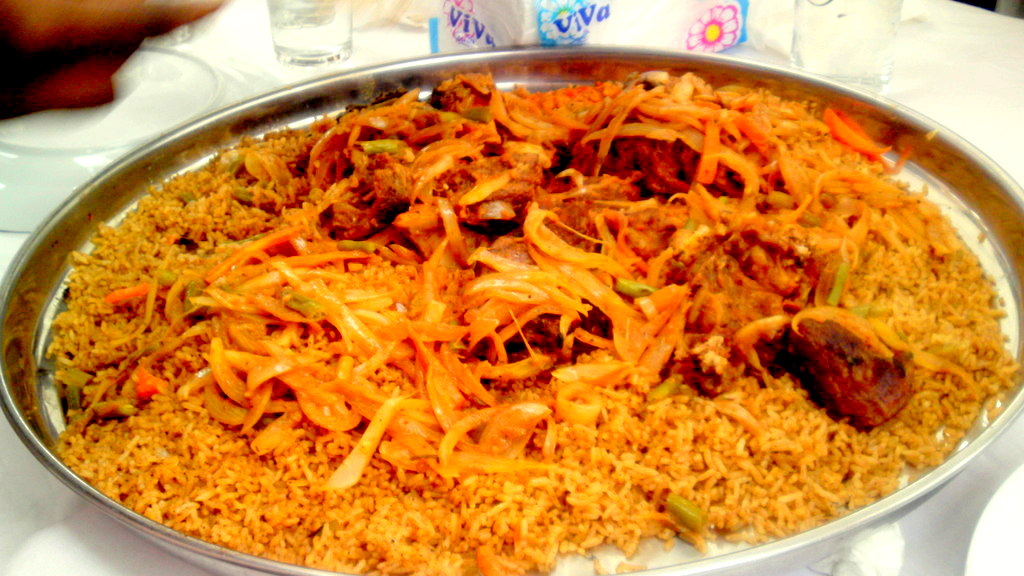 Riz grasMeat
🇧🇫 Burkina Faso and 4 moreWest African rice cooked with meat and vegetables, served hot
Main dish, Lunch, Dinner
Riz grasMeat
🇧🇫 Burkina Faso and 4 moreWest African rice cooked with meat and vegetables, served hot
Main dish, Lunch, Dinner
 Hot pot火鍋
🇨🇳 China and 5 moreSimmering broth at the table for cooking meats, vegetables and more as you eat
Main dish, Dinner, Lunch
Hot pot火鍋
🇨🇳 China and 5 moreSimmering broth at the table for cooking meats, vegetables and more as you eat
Main dish, Dinner, Lunch
 Nabemono鍋物
🇯🇵 JapanJapanese hot pot dishes cooked and shared at the table
Main dish, Dinner
Nabemono鍋物
🇯🇵 JapanJapanese hot pot dishes cooked and shared at the table
Main dish, Dinner
 Soto
🇮🇩 Indonesia and 3 moreIndonesian soup of spiced broth, meat and vegetables with many regional versions
Soup, Lunch, Dinner
Soto
🇮🇩 Indonesia and 3 moreIndonesian soup of spiced broth, meat and vegetables with many regional versions
Soup, Lunch, Dinner