
Rakfisk
Fermented trout or char from Norway, eaten uncooked with a strong aroma
Rakfisk is a traditional Norwegian dish made by fermenting trout or char in salt for several months. The fish is never cooked; instead, it is served cold, often with flatbread, potatoes, and mild mustard sauce. Its taste is salty and pungent, and it is known for its powerful smell.
- Rakfisk is made by fermenting trout or char in salt for months
- It is eaten uncooked and has a strong, pungent smell
- The dish is first mentioned in records from 1348
- Traditionally served with flatbrød, potatoes, and mild mustard sauce
What is Rakfisk?
Rakfisk is a Norwegian specialty made by preserving trout or char in salt and allowing it to ferment for several months. The fish is never heated or cooked, so it keeps a soft texture and develops a strong, salty, and tangy flavor. Its scent is intense, which is part of its character. People usually slice or fillet the fish before serving, and it is often paired with flatbrød (a crisp flatbread), lefse (a soft flatbread), potatoes, and sometimes raw onion or a mild mustard and dill sauce.
Where does Rakfisk come from?
The word 'rakfisk' comes from Norwegian, with 'fisk' meaning fish and 'rak' tracing back to an old Norse word for 'moist' or 'soaked.' Written records mention rakfisk as early as 1348, but the practice of fermenting fish in this way is likely even older. The exact beginnings of rakfisk and the method of fermenting fish through autolysis are not documented, but it has long been part of Norwegian food traditions.
How is Rakfisk made?
To make rakfisk, fresh trout or char are cleaned and placed in a container with salt. Sometimes a little sugar is added to help the fermentation along. The fish is pressed down with a weighted lid, and as the salt draws out moisture, a brine forms. The container is kept cool, below 5°C, for one to three months. During this time, the fish ferments and develops its signature flavor and aroma.
How and when is Rakfisk eaten?
Rakfisk is eaten cold, straight from the fermentation container, without any cooking. It is commonly served in thin slices or as fillets, often laid on flatbrød or lefse. Almond potatoes, raw red onion, sour cream, and a mild mustard-dill sauce are typical accompaniments. Eating rakfisk is a social event for many, with the strong smell and taste being a central part of the experience.
Kinds of Rakfisk
While trout and char are the main fish used, the length of fermentation can vary from a couple of months to almost a year, which changes the strength of flavor and aroma. Some people add sugar to the brine, while others stick to only salt. The side dishes and ways of serving can also differ by region and family tradition.
What Rakfisk means
Rakfisk holds a special place in Norwegian food culture, especially in rural areas. It is often enjoyed in gatherings and is seen as a marker of tradition and local identity. The dish's unique preparation and strong smell make it a talking point and a test of culinary bravery for some. Its history stretches back centuries, connecting present-day Norway with its past.
Questions people ask about Rakfisk
What is rakfisk made of?
Rakfisk is made from trout or char that is salted and left to ferment for several months. Sometimes a bit of sugar is added to help the process, but the main ingredients are fish and salt.
Where does rakfisk come from?
Rakfisk is a traditional dish from Norway. It has been part of Norwegian food culture for centuries, with written records dating back to the 14th century.
How is rakfisk prepared?
The fish is gutted, rinsed, and packed in salt, sometimes with a little sugar. It is pressed under a weighted lid and left to ferment in a cool place for one to three months. The fish is not cooked before eating.
How is rakfisk eaten?
Rakfisk is served cold, sliced or as fillets, often on flatbrød or lefse. It is usually accompanied by potatoes, raw onion, sour cream, and a mild mustard-dill sauce.
What does rakfisk taste and smell like?
Rakfisk has a strong, salty, and tangy flavor with a powerful, pungent aroma. Its texture remains soft because the fish is never cooked.
Good reading and sources
The facts on this page come from the Wikipedia article "Rakfisk", written by its contributors and used under the CC BY-SA 4.0 licence, and from its Wikidata record (CC0). Thali rewrote the text in its own words, with AI assistance, and compares every page with the article to make sure no passage is copied. It may be reused under the same CC BY-SA 4.0 licence with a link back.
It may contain mistakes, and it is not dietary or allergy advice: recipes differ from cook to cook. If something is wrong, tell us. Last refreshed 2026-10-03.
More from Norway
All the food of Norway Fish and chipsFish or seafood
🇬🇧 United Kingdom and 8 moreBattered fried fish served hot with thick-cut chips
Main dish, Lunch, Dinner
Fish and chipsFish or seafood
🇬🇧 United Kingdom and 8 moreBattered fried fish served hot with thick-cut chips
Main dish, Lunch, Dinner
 Rice pudding
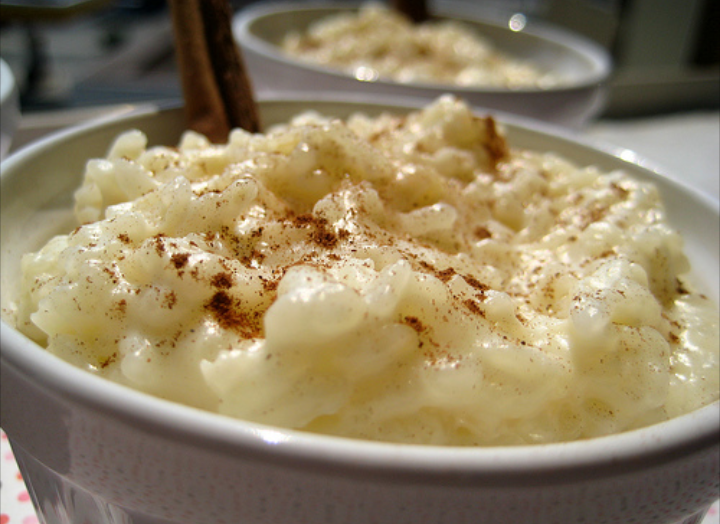
🇮🇳 India and 4 moreSweetened rice cooked in milk, found in many forms worldwide
Sweet or dessert, Breakfast, Lunch
Rice pudding
🇮🇳 India and 4 moreSweetened rice cooked in milk, found in many forms worldwide
Sweet or dessert, Breakfast, Lunch
 Smörgåsbord
🇸🇪 Sweden and 2 moreA Swedish buffet meal with a spread of cold and hot dishes
Main dish, Lunch, Dinner
Smörgåsbord
🇸🇪 Sweden and 2 moreA Swedish buffet meal with a spread of cold and hot dishes
Main dish, Lunch, Dinner
 GravlaxFish or seafood
🇸🇪 Sweden and 3 moreSalmon cured with salt, sugar and dill, sliced thin and served with mustard-dill sauce
Main dish, Lunch, Dinner
GravlaxFish or seafood
🇸🇪 Sweden and 3 moreSalmon cured with salt, sugar and dill, sliced thin and served with mustard-dill sauce
Main dish, Lunch, Dinner
Its cousins elsewhere
All main dishes ChapatiVeganचपाती
🇮🇳 India and 4 moreUnleavened flatbread cooked on a griddle and served hot with meals
Bread, Breakfast, Lunch
ChapatiVeganचपाती
🇮🇳 India and 4 moreUnleavened flatbread cooked on a griddle and served hot with meals
Bread, Breakfast, Lunch
 Pelmeniпельмени
🇷🇺 RussiaRussian dumplings filled with seasoned meat and wrapped in thin dough
Dumpling, Lunch, Dinner
Zereshk poloMeatزرشکپلو
🇮🇷 Iran and 1 morePersian rice with tart barberries, often served with saffron chicken
Main dish, Lunch, Dinner
Pelmeniпельмени
🇷🇺 RussiaRussian dumplings filled with seasoned meat and wrapped in thin dough
Dumpling, Lunch, Dinner
Zereshk poloMeatزرشکپلو
🇮🇷 Iran and 1 morePersian rice with tart barberries, often served with saffron chicken
Main dish, Lunch, Dinner
 Kabab koobidehMeatکباب کوبیده
🇮🇷 IranIranian skewered kebab of ground lamb or beef mixed with onion and spices
Main dish, Lunch, Dinner
Kabab koobidehMeatکباب کوبیده
🇮🇷 IranIranian skewered kebab of ground lamb or beef mixed with onion and spices
Main dish, Lunch, Dinner