Red bean rice
Rice cooked with red beans, eaten for celebrations and winter in East Asia
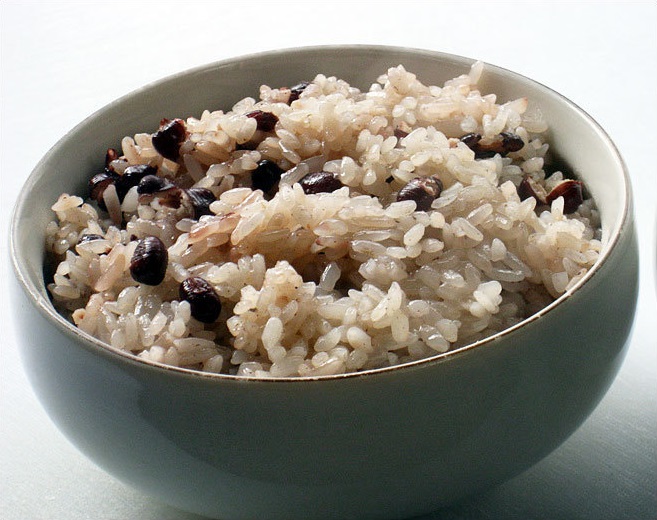
Red bean rice is a dish of rice cooked with adzuki beans, found in Japan, Korea, and parts of China. The beans give the rice a reddish color and a subtle earthy flavor. It is often served at celebrations in Japan and Korea, and eaten during winter or on special days in China.
- Sekihan is served at Japanese celebrations and holidays
- Patbap is a winter and birthday dish in Korea
- Chinese hóngdòu fàn is linked to Winter Clothes Day in Jiangsu
- Red bean rice gets its color from adzuki beans
- It can be eaten hot or at room temperature
What is Red bean rice?
Red bean rice is made by cooking rice together with adzuki beans, which tint the grains a pale red or pink. The beans add a mild, nutty taste and a slightly chewy texture. In Japan, glutinous (sticky) rice is often used, while in Korea, short-grain white rice is common. The dish can be eaten hot or at room temperature, sometimes with a sprinkle of sesame salt. Its color and gentle flavor make it a special dish for marking occasions.
Where does Red bean rice come from?
Red bean rice has deep roots in East Asia. In Japan, sekihan is linked to ancient rituals and Shinto practices, as red rice was once considered sacred. Its use for celebrations is tied to the color red, which symbolizes happiness. In Korea, patbap is a traditional food of Pyongan Province and has been recorded in early cookbooks from the Joseon era. In Jiangsu, China, hóngdòu fàn is eaten on Winter Clothes Day, with a local legend connecting it to the memory of a shepherd boy.
How is Red bean rice made?
To make red bean rice, adzuki beans are boiled until just tender, then mixed with soaked rice and cooked together so the rice absorbs the red color. In Japan, sticky rice is steamed with the beans. Korean patbap uses white rice and may use fresh or dried beans, sometimes husked or ground. Some regional styles use the bean cooking water to color the rice, or add ingredients like barley or corn. The finished dish is often seasoned lightly with salt.


How and when is Red bean rice eaten?
Red bean rice is served for lunch or dinner, and is especially common at birthdays, holidays, and festivals. In Japan, it is a symbol of celebration and is offered at events like weddings and the Shichi-Go-San festival for children. In Korea, it is eaten in winter and on birthdays, sometimes called 'birthday rice.' In China, it is eaten on Winter Clothes Day in Jiangsu. It may be eaten plain or with a sprinkle of sesame salt, and can be packed in a bento box.
Kinds of Red bean rice
Regional versions differ in the type of rice and beans used. Japanese sekihan may be sweetened with sugar or made with sweetened beans. Some areas use black cowpea beans instead of adzuki. In Korea, fresh beans, husked beans, or even corn or barley may be added. The color of the rice can range from pale pink to deep red, depending on the method. Some versions are eaten warm, others at room temperature.
What Red bean rice means
Red bean rice is closely tied to celebration and remembrance. In Japan, its red color is seen as a sign of happiness and good fortune, and the phrase 'Let's have sekihan' means to celebrate. In Korea, it marks birthdays and holidays, and is part of royal court cuisine. In Jiangsu, China, it is linked to a local legend and eaten to honor the memory of a shepherd boy. The dish is a symbol of togetherness and tradition in all three countries.
Questions people ask about Red bean rice
What is red bean rice made of?
Red bean rice is made by cooking rice with adzuki beans. The beans give the rice a reddish color and a mild, earthy flavor. Some versions use sticky rice, while others use short-grain white rice.
Where does red bean rice come from?
Red bean rice is found in Japan, Korea, and parts of China. Each country has its own name and traditions for the dish, such as sekihan in Japan, patbap in Korea, and hóngdòu fàn in China.
When is red bean rice usually eaten?
It is often served at celebrations, birthdays, and festivals. In Japan, it marks happy occasions. In Korea, it is common in winter and for birthdays. In Jiangsu, China, it is eaten on Winter Clothes Day.
Is red bean rice vegetarian or vegan?
Yes, red bean rice is vegan. It is made from rice, adzuki beans, water, and sometimes salt or sesame. No animal products are used in traditional recipes.
What does red bean rice taste like?
Red bean rice has a gentle, nutty flavor from the adzuki beans and a soft, chewy texture. The taste is mild and slightly earthy, with a hint of sweetness if sugar is added in some regional versions.
Good reading and sources
- Red bean rice on WikipediaEncyclopedia
- More photos on Wikimedia CommonsPhotos
- Wikidata recordOpen data
The facts on this page come from the Wikipedia article "Red bean rice", written by its contributors and used under the CC BY-SA 4.0 licence, and from its Wikidata record (CC0). Thali rewrote the text in its own words, with AI assistance, and compares every page with the article to make sure no passage is copied. It may be reused under the same CC BY-SA 4.0 licence with a link back.
It may contain mistakes, and it is not dietary or allergy advice: recipes differ from cook to cook. If something is wrong, tell us. Last refreshed 2026-10-03.
More from Japan
All the food of Japan Bibimbap비빔밥
🇰🇷 South Korea and 1 moreKorean rice bowl with mixed vegetables, meat, egg and chili paste
Main dish, Lunch, Dinner
Bibimbap비빔밥
🇰🇷 South Korea and 1 moreKorean rice bowl with mixed vegetables, meat, egg and chili paste
Main dish, Lunch, Dinner
 Fried rice
🇨🇳 China and 5 moreCooked rice stir-fried with eggs, vegetables, meat or seafood, and seasonings
Main dish, Breakfast, Lunch
Fried rice
🇨🇳 China and 5 moreCooked rice stir-fried with eggs, vegetables, meat or seafood, and seasonings
Main dish, Breakfast, Lunch
 Donburi丼物
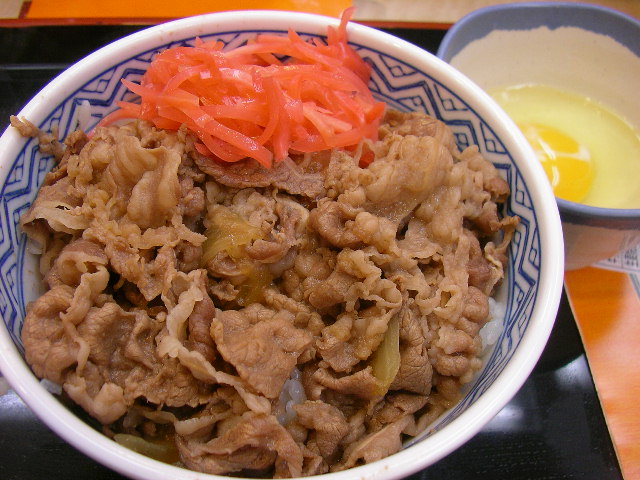
🇯🇵 JapanJapanese rice bowl topped with simmered meat, fish, or vegetables
Main dish, Lunch, Dinner
Donburi丼物
🇯🇵 JapanJapanese rice bowl topped with simmered meat, fish, or vegetables
Main dish, Lunch, Dinner
 KatsudonMeatカツ丼
🇯🇵 JapanDeep-fried pork cutlet and egg served over a bowl of rice
Main dish, Lunch, Dinner
KatsudonMeatカツ丼
🇯🇵 JapanDeep-fried pork cutlet and egg served over a bowl of rice
Main dish, Lunch, Dinner
Its cousins elsewhere
All rice dishes Paella
🇪🇸 Spain and 1 moreRice cooked with meat, seafood or vegetables in a wide shallow pan from Valencia
Main dish, Lunch
Jollof rice
🇸🇳 Senegal and 5 moreWest African rice simmered in tomato, chili and spices, often served with meat or fish
Main dish, Lunch, Dinner
Paella
🇪🇸 Spain and 1 moreRice cooked with meat, seafood or vegetables in a wide shallow pan from Valencia
Main dish, Lunch
Jollof rice
🇸🇳 Senegal and 5 moreWest African rice simmered in tomato, chili and spices, often served with meat or fish
Main dish, Lunch, Dinner
 Tuwon shinkafaVegan
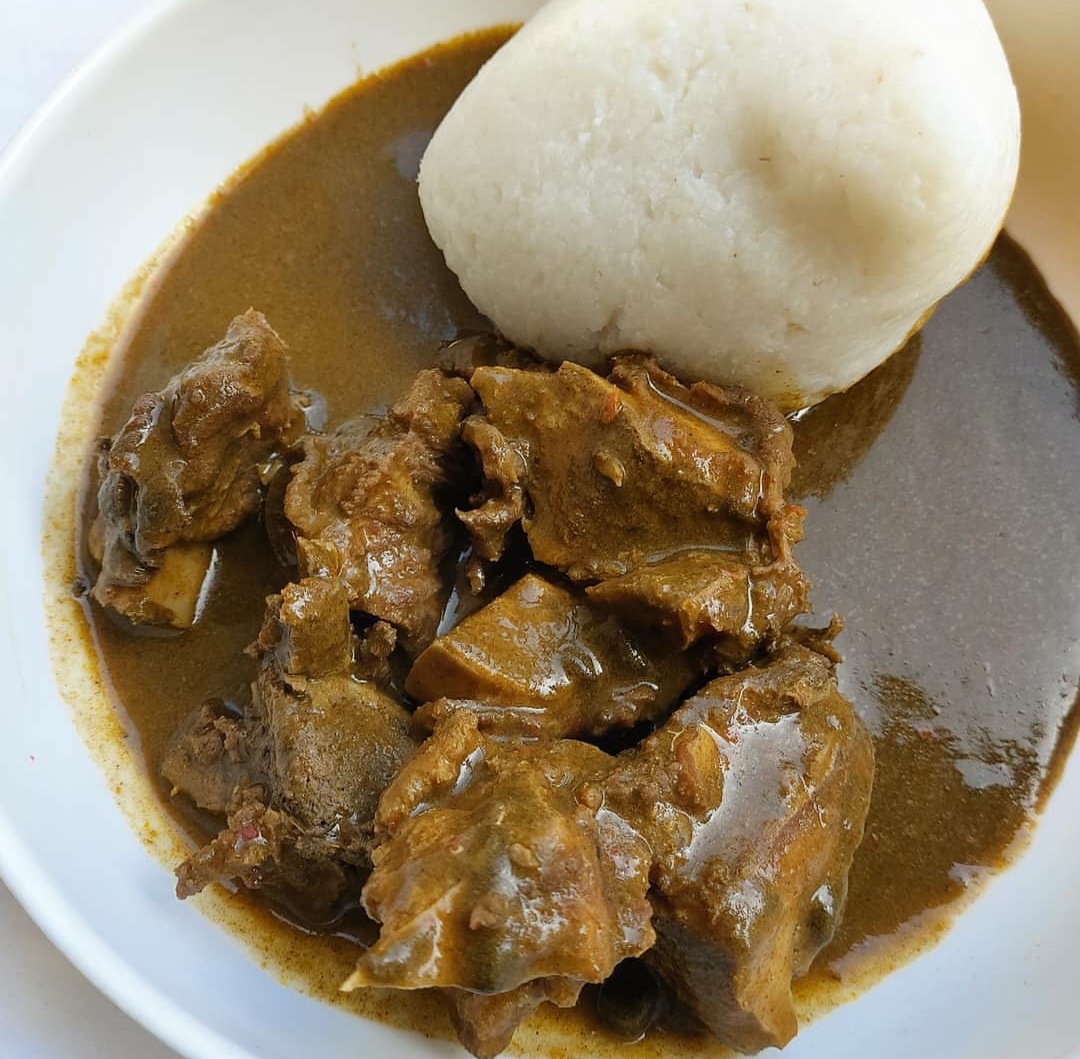
🇳🇬 Nigeria and 2 moreSoft, sticky rice dough served with soups in northern Nigeria and Niger
Main dish, Lunch, Dinner
Tuwon shinkafaVegan
🇳🇬 Nigeria and 2 moreSoft, sticky rice dough served with soups in northern Nigeria and Niger
Main dish, Lunch, Dinner
 Risotto
🇮🇹 ItalyCreamy Italian rice dish slowly cooked with broth and finished with cheese
Main dish, Lunch, Dinner
Risotto
🇮🇹 ItalyCreamy Italian rice dish slowly cooked with broth and finished with cheese
Main dish, Lunch, Dinner