Jollof rice
West African rice simmered in tomato, chili and spices, often served with meat or fish
Jollof rice is a one-pot rice dish from Senegal that has become a staple across West Africa. It is made by cooking rice in a sauce of tomatoes, onions, chili peppers, and spices, sometimes with vegetables or meat. The dish is central to celebrations and everyday meals in countries like Nigeria and Ghana, with each region offering its own take.
- Jollof rice is a staple at West African celebrations and gatherings
- Each country has its own distinct version and cooking style
- Senegal’s thieboudienne is listed as UNESCO intangible heritage
- World Jollof Day is celebrated every August 22
What is Jollof rice?
Jollof rice is a vibrant rice dish where grains are cooked in a rich tomato and chili sauce, often with onions and a mix of spices. The color is usually a deep red or orange from the tomatoes and oil. Depending on the cook and country, it may include vegetables like carrots or peas, and is frequently paired with chicken, beef, fish, or sometimes shellfish. The taste is savory, with a gentle heat from chilies and aromatic notes from added herbs and spices. It is usually served hot, sometimes with fried plantains or salad on the side.
Where does Jollof rice come from?
Jollof rice traces its roots to the Wolof people of Senegal, where a similar dish called thieboudienne (rice with fish and vegetables) is considered the ancestor. Some historians believe it spread through trade and migration in West Africa, while others suggest it developed more recently with the introduction of new ingredients like tomatoes and Asian rice varieties in the 19th century. Saint Louis, Senegal, is often named as the birthplace of the original dish. The name 'jollof' comes from the Jolof Empire, a medieval West African state.
How is Jollof rice made?
To make jollof rice, cooks start by frying onions, tomato puree or paste, and chilies in oil to create a flavorful base. Spices such as thyme, curry powder, and bay leaves are often added. Once the sauce is well-cooked, rice is stirred in and simmered until it absorbs the flavors and liquid. Some versions include meat, fish, or vegetables cooked together with the rice. The dish is typically prepared in a single pot, which helps the flavors meld. The choice of rice—long grain, short grain, or broken—varies by region.
How and when is Jollof rice eaten?
Jollof rice is a centerpiece at gatherings, parties, and family meals throughout West Africa. It is eaten for lunch or dinner, often as the main course. In Nigeria and Ghana, it is common to serve it with fried plantains, grilled or fried meat, fish, or a spicy pepper sauce. At festive events, large batches are cooked for guests. The dish is also found at everyday meals, and its presence is expected at celebrations. People may eat it with their hands or with cutlery, depending on local custom.
Kinds of Jollof rice
Every country and even household has its own way of making jollof rice. In Ghana, cooks may use jasmine rice and add ginger and garlic, while Nigerian versions favor long-grain parboiled rice and a spicy tomato-pepper base. Senegal’s thieboudienne uses broken rice and often includes fish and vegetables. French-speaking regions call it riz au gras and may add cabbage or eggplant. Other versions swap in coconut milk, smoked fish, or local spices, and some areas use palm oil instead of vegetable oil.
What Jollof rice means
Jollof rice is more than just food; it is a symbol of West African identity and pride. The dish is at the heart of friendly rivalries, especially between Nigeria and Ghana, each claiming to make the best version—a debate known as the 'Jollof wars.' It is celebrated at festivals, and there is even a World Jollof Day on August 22. Senegal’s thieboudienne, a related dish, has been recognized by UNESCO for its cultural significance. Jollof rice connects people at home and in the diaspora.
Questions people ask about Jollof rice
What is jollof rice made of?
Jollof rice is made by cooking rice in a sauce of tomatoes, onions, chili peppers, and spices. It often includes oil, salt, and sometimes vegetables, meat, or fish, depending on the region.
Where does jollof rice come from?
Jollof rice originated in Senegal, West Africa, and has become a popular dish across the region, especially in Nigeria and Ghana.
How is jollof rice usually served?
It is served hot, often as a main dish for lunch or dinner, and is commonly accompanied by fried plantains, meat, fish, or salad.
Are there different types of jollof rice?
Yes, each country and even different cooks have their own versions, using various types of rice, spices, and additional ingredients like vegetables, meat, or fish.
Is jollof rice vegetarian?
Jollof rice can be made vegetarian, but many versions include meat, fish, or crayfish. The basic dish is rice cooked in tomato and chili sauce, so it can be adapted.
Good reading and sources
The facts on this page come from the Wikipedia article "Jollof rice", written by its contributors and used under the CC BY-SA 4.0 licence, and from its Wikidata record (CC0). Thali rewrote the text in its own words, with AI assistance, and compares every page with the article to make sure no passage is copied. It may be reused under the same CC BY-SA 4.0 licence with a link back.
It may contain mistakes, and it is not dietary or allergy advice: recipes differ from cook to cook. If something is wrong, tell us. Last refreshed 2026-10-03.
More from Senegal
All the food of Senegal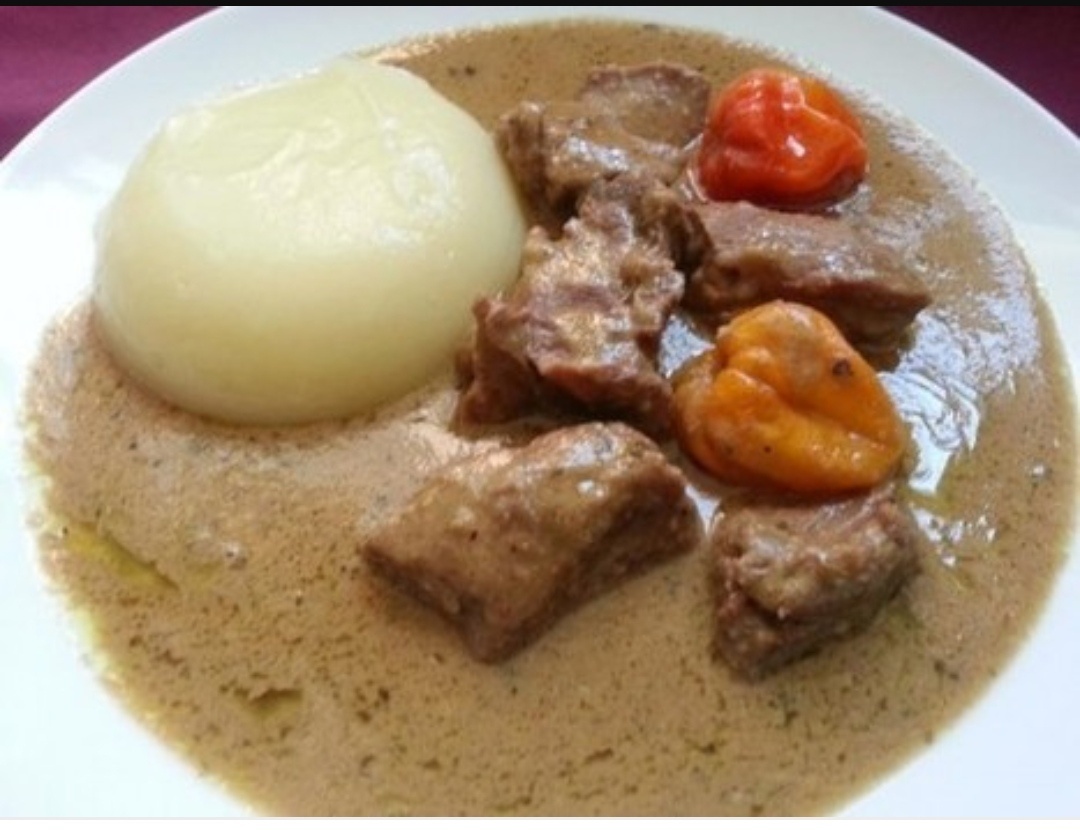 Peanut stew
🇸🇳 Senegal and 5 moreA rich West African stew of meat and vegetables in a spiced peanut sauce
Stew or curry, Lunch, Dinner
Peanut stew
🇸🇳 Senegal and 5 moreA rich West African stew of meat and vegetables in a spiced peanut sauce
Stew or curry, Lunch, Dinner
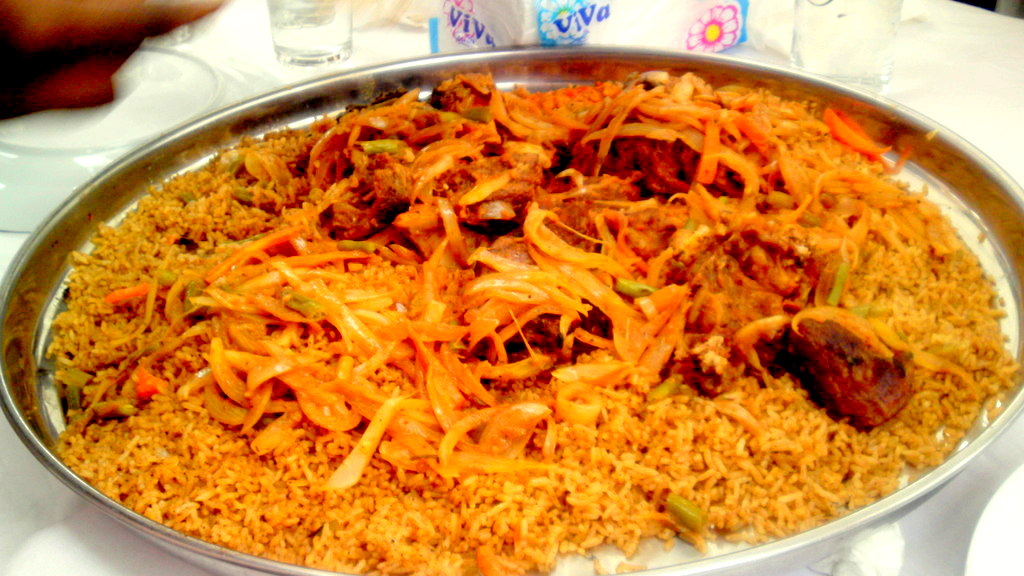 Riz grasMeat
🇧🇫 Burkina Faso and 4 moreWest African rice cooked with meat and vegetables, served hot
Main dish, Lunch, Dinner
Riz grasMeat
🇧🇫 Burkina Faso and 4 moreWest African rice cooked with meat and vegetables, served hot
Main dish, Lunch, Dinner
 Jambalaya
🇺🇸 United States and 5 moreLouisiana rice cooked with meats, vegetables and spices in one pot
Main dish, Lunch, Dinner
Jambalaya
🇺🇸 United States and 5 moreLouisiana rice cooked with meats, vegetables and spices in one pot
Main dish, Lunch, Dinner
 ThieboudienneFish or seafood
🇸🇳 Senegal and 5 moreSenegalese rice and fish cooked together with vegetables and tomato
Main dish
ThieboudienneFish or seafood
🇸🇳 Senegal and 5 moreSenegalese rice and fish cooked together with vegetables and tomato
Main dish
Its cousins elsewhere
All main dishes Sarma
🇹🇷 Turkey and 5 moreLeaves wrapped around a filling of rice, minced meat and spices
Main dish, Lunch, Dinner
Sarma
🇹🇷 Turkey and 5 moreLeaves wrapped around a filling of rice, minced meat and spices
Main dish, Lunch, Dinner
 Dal bhatVegetarian
🇳🇵 Nepal and 2 moreLentil soup served with plain rice, a staple meal across South Asia
Main dish, Lunch, Dinner
Dal bhatVegetarian
🇳🇵 Nepal and 2 moreLentil soup served with plain rice, a staple meal across South Asia
Main dish, Lunch, Dinner
 Kebabكَبَاب
🇹🇷 Turkey and 5 moreGrilled or roasted meat, often on skewers, found across the Middle East and beyond
Main dish, Lunch, Dinner
Kebabكَبَاب
🇹🇷 Turkey and 5 moreGrilled or roasted meat, often on skewers, found across the Middle East and beyond
Main dish, Lunch, Dinner
 Pilaf
🇺🇿 Uzbekistan and 5 moreRice cooked in stock with spices, meat or vegetables, with each grain kept separate
Main dish, Lunch, Dinner
Pilaf
🇺🇿 Uzbekistan and 5 moreRice cooked in stock with spices, meat or vegetables, with each grain kept separate
Main dish, Lunch, Dinner