
Rogan josh
Kashmiri lamb or goat curry with a deep red sauce
Rogan josh is a spiced meat curry from Kashmir, made with lamb or goat and known for its vivid red gravy. The colour and flavour come from Kashmiri chillies and alkanet root, along with a mix of aromatic spices. It is a highlight of the multi-course Kashmiri feast called wazwan.
- A signature dish of the Kashmiri wazwan feast
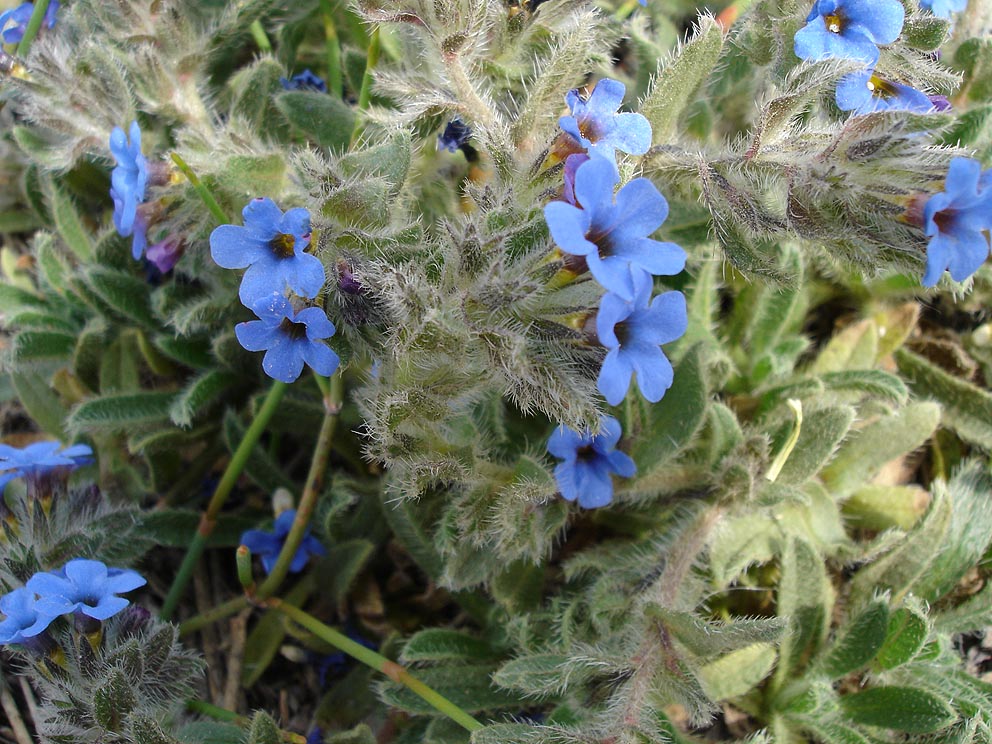
- Traditionally gets its red colour from alkanet root and Kashmiri chillies
- Usually made with lamb or goat, slow-cooked with spices
- Persian roots, adapted in Kashmir during Mughal times
What is Rogan josh?
Rogan josh is a meat curry from Kashmir, usually made with pieces of lamb or goat. Its sauce is known for a striking red colour, which comes from Kashmiri chillies and alkanet root, not from tomatoes. The dish is scented with spices like cardamom, cinnamon, cloves, and bay leaves, and often includes garlic and ginger. Some versions add yoghurt or shallots for extra richness. The result is a stew with a fragrant, spicy aroma and a mild heat.
Where does Rogan josh come from?
This dish has roots in Persian cooking, where meat was stewed in butter or oil. The name may refer to the method of stewing in fat or to the red colour of the sauce. Rogan josh became part of Kashmiri cuisine during the Mughal period, when rulers and cooks brought their food traditions to the region. Over time, local ingredients and spices shaped the dish into a signature part of Kashmir’s food culture.
How is Rogan josh made?
To prepare rogan josh, lamb or goat is first seared and then simmered slowly in a sauce of ground chillies, alkanet root, and a blend of spices. Garlic and ginger are added for depth, and some cooks include yoghurt or shallots. The slow-cooking method, sometimes called dampokhtak, allows the meat to become tender and the flavours to blend. In some recipes, cockscomb flower or asafoetida is used for colour or aroma.

How and when is Rogan josh eaten?
Rogan josh is served hot, often as a main course at lunch or dinner. In Kashmir, it is a centrepiece of the wazwan, a formal meal with many dishes. It is usually eaten with rice or flatbreads, and sometimes accompanied by other curries or side dishes. The dish is enjoyed both on special occasions and as an everyday meal.
Kinds of Rogan josh
Traditional versions use whole dried chillies and alkanet for colour, but outside Kashmir, cooks may use chilli powder, paprika, or even tomatoes to achieve the red hue. Some restaurant versions add extra spices like anise or use different cuts of meat, including beef. In the West, tomatoes are often added, though this is debated among purists. Each region and cook may adapt the recipe to local tastes and ingredients.
What Rogan josh means
Rogan josh is a symbol of Kashmiri hospitality and is essential to the wazwan, the region’s ceremonial meal. Its preparation and serving are a point of pride in Kashmiri culture. The dish has also become popular in Indian restaurants worldwide, where it often introduces diners to the flavours of Kashmir. Its name and style reflect a blend of Persian and local influences.
Questions people ask about Rogan josh
What is rogan josh made of?
Rogan josh is made with lamb or goat, cooked in a sauce of Kashmiri chillies, alkanet root, and spices such as cardamom, cinnamon, cloves, bay leaves, garlic, and ginger.
Where does rogan josh come from?
Rogan josh is a traditional dish from Kashmir in northern India, with origins in Persian cooking and influences from the Mughal era.
Why is the sauce so red?
The red colour comes from Kashmiri chillies and alkanet root, which give the sauce its distinctive hue without making it very spicy.
Is rogan josh always made with lamb?
Lamb and goat are most common, but some versions use beef or other meats, especially outside Kashmir.
How is rogan josh served?
It is served hot, usually with rice or flatbreads, and is a main dish in both everyday meals and festive feasts in Kashmir.
Good reading and sources
The facts on this page come from the Wikipedia article "Rogan josh", written by its contributors and used under the CC BY-SA 4.0 licence, and from its Wikidata record (CC0). Thali rewrote the text in its own words, with AI assistance, and compares every page with the article to make sure no passage is copied. It may be reused under the same CC BY-SA 4.0 licence with a link back.
It may contain mistakes, and it is not dietary or allergy advice: recipes differ from cook to cook. If something is wrong, tell us. Last refreshed 2026-10-03.
More from India
All the food of India Kebabكَبَاب
🇹🇷 Turkey and 5 moreGrilled or roasted meat, often on skewers, found across the Middle East and beyond
Main dish, Lunch, Dinner
Kebabكَبَاب
🇹🇷 Turkey and 5 moreGrilled or roasted meat, often on skewers, found across the Middle East and beyond
Main dish, Lunch, Dinner
 Biryani
🇮🇳 India and 5 moreRice and spiced meat or vegetables layered and cooked together
Main dish, Lunch, Dinner
Biryani
🇮🇳 India and 5 moreRice and spiced meat or vegetables layered and cooked together
Main dish, Lunch, Dinner
 French toast
🇫🇷 France and 5 moreBread soaked in egg and milk, pan-fried and served sweet or savoury
Main dish, Breakfast, Snacks
French toast
🇫🇷 France and 5 moreBread soaked in egg and milk, pan-fried and served sweet or savoury
Main dish, Breakfast, Snacks
 Fish and chipsFish or seafood
🇬🇧 United Kingdom and 8 moreBattered fried fish served hot with thick-cut chips
Main dish, Lunch, Dinner
Fish and chipsFish or seafood
🇬🇧 United Kingdom and 8 moreBattered fried fish served hot with thick-cut chips
Main dish, Lunch, Dinner
Its cousins elsewhere
All main dishes PelauMeat
🇹🇹 Trinidad and Tobago and 1 moreA one-pot rice and meat dish from the Caribbean, darkened with caramelised sugar
Main dish, Lunch, Dinner
PelauMeat
🇹🇹 Trinidad and Tobago and 1 moreA one-pot rice and meat dish from the Caribbean, darkened with caramelised sugar
Main dish, Lunch, Dinner
 GoulashMeatgulyás
🇭🇺 Hungary and 5 moreA paprika-spiced meat and vegetable soup from Hungary
Soup, Lunch, Dinner
GoulashMeatgulyás
🇭🇺 Hungary and 5 moreA paprika-spiced meat and vegetable soup from Hungary
Soup, Lunch, Dinner
 BarbacoaMeat
🇲🇽 Mexico and 3 moreMeat slow-cooked in a pit lined with agave or banana leaves
Main dish, Lunch, Dinner
BarbacoaMeat
🇲🇽 Mexico and 3 moreMeat slow-cooked in a pit lined with agave or banana leaves
Main dish, Lunch, Dinner
 Chicken tikka masalaMeat
🇬🇧 United Kingdom and 4 moreRoasted marinated chicken in a creamy, spiced tomato-based sauce
Main dish, Lunch, Dinner
Chicken tikka masalaMeat
🇬🇧 United Kingdom and 4 moreRoasted marinated chicken in a creamy, spiced tomato-based sauce
Main dish, Lunch, Dinner