
Sambar
A South Indian lentil and vegetable stew soured with tamarind
Sambar is a hot, spiced stew made with lentils, tamarind broth, and vegetables. It comes from South India and is a staple in the region, often served with rice, dosas, or idlis. The dish uses pigeon peas and can include a variety of vegetables, with flavors and ingredients varying by region.
- Made with lentils, tamarind, and vegetables
- A staple in South Indian meals
- Served hot with rice, dosa, or idli
- Regional versions use coconut or different spices
What is Sambar?
Sambar is a thick, spicy stew made by simmering lentils with tamarind and assorted vegetables. The base is usually pigeon peas (a type of lentil) cooked until soft, then mixed with a tangy tamarind broth. Vegetables such as pumpkin, drumstick, or carrots are often added. The stew is seasoned with a blend of spices, and in some regions, coconut is ground with spices and stirred in. Sambar is served hot and is known for its sour, savory, and slightly spicy taste.
Where does Sambar come from?
Sambar has deep roots in South Indian cooking, with references dating back to at least the 16th century in Tamil literature. A Telugu poem from around 1517 mentions sambar ingredients, suggesting it was already part of Tamil cuisine. In 17th-century Karnataka, a similar dish called 'huli' is described. There is also a legend linking sambar to the Thanjavur Maratha kingdom, where it is said to have been created by substituting tamarind for kokum in a lentil soup. However, historians debate the accuracy of this story.
How is Sambar made?
To make sambar, lentils—most often pigeon peas—are cooked until soft. Tamarind pulp is soaked and strained to make a tangy broth. Chopped vegetables are simmered with the lentils and tamarind liquid. A spice blend, sometimes including ground coconut, is added for flavor. The stew is finished with a tempering of spices fried in oil, which may include mustard seeds, curry leaves, and dried chilies. Each region may use different vegetables or adjust the spice mix.

How and when is Sambar eaten?
Sambar is a daily food in South India and is eaten at any meal. It is commonly served with rice, or as an accompaniment to breakfast items like dosa (a fermented rice and lentil pancake) and idli (steamed rice cakes). Sometimes, people mix sambar with rice and eat it with crunchy snacks like murukku or potato chips. It is served hot and shared as part of family meals or in restaurants.
Kinds of Sambar
There are many regional styles of sambar. In Tamil Nadu, it is a staple and may be spicier or milder depending on taste. In Karnataka, the dish is called 'huli' or 'saaru', and in coastal areas, coconut is ground with spices to make 'koddel'. The choice of vegetables, the use of coconut, and the spice blends all vary by region and even by household.
What Sambar means
Sambar is an essential part of South Indian cuisine and daily life. It is a symbol of home cooking and is often present at family meals. While not tied to any specific festival or religious event, its presence at the table is a marker of South Indian identity. The dish is also widely enjoyed in other parts of India.
Questions people ask about Sambar
What is sambar made of?
Sambar is made from lentils, tamarind broth, and a mix of vegetables. The most common lentil used is pigeon pea, and the stew is seasoned with various spices. Some regional versions include ground coconut.
Where does sambar come from?
Sambar originates from South India. It has a long history in Tamil and Kannada-speaking regions and is now eaten throughout India.
How is sambar usually served?
Sambar is served hot, often with rice, dosa, or idli. It can also be mixed with rice and eaten with crunchy snacks like murukku or potato chips.
Is sambar vegetarian?
Yes, sambar is a vegetarian dish. It is made from lentils, vegetables, and tamarind, with no meat or fish.
Are there different types of sambar?
Yes, sambar varies by region. Some versions use coconut, and the choice of vegetables and spices can differ depending on local traditions.
Good reading and sources
- Sambar (dish) on WikipediaEncyclopedia
- More photos on Wikimedia CommonsPhotos
- Wikidata recordOpen data
The facts on this page come from the Wikipedia article "Sambar (dish)", written by its contributors and used under the CC BY-SA 4.0 licence, and from its Wikidata record (CC0). Thali rewrote the text in its own words, with AI assistance, and compares every page with the article to make sure no passage is copied. It may be reused under the same CC BY-SA 4.0 licence with a link back.
It may contain mistakes, and it is not dietary or allergy advice: recipes differ from cook to cook. If something is wrong, tell us. Last refreshed 2026-10-03.
More from India
All the food of India Kebabكَبَاب
🇹🇷 Turkey and 5 moreGrilled or roasted meat, often on skewers, found across the Middle East and beyond
Main dish, Lunch, Dinner
Kebabكَبَاب
🇹🇷 Turkey and 5 moreGrilled or roasted meat, often on skewers, found across the Middle East and beyond
Main dish, Lunch, Dinner
 Biryani
🇮🇳 India and 5 moreRice and spiced meat or vegetables layered and cooked together
Main dish, Lunch, Dinner
Biryani
🇮🇳 India and 5 moreRice and spiced meat or vegetables layered and cooked together
Main dish, Lunch, Dinner
 French toast
🇫🇷 France and 5 moreBread soaked in egg and milk, pan-fried and served sweet or savoury
Main dish, Breakfast, Snacks
French toast
🇫🇷 France and 5 moreBread soaked in egg and milk, pan-fried and served sweet or savoury
Main dish, Breakfast, Snacks
 Fish and chipsFish or seafood
🇬🇧 United Kingdom and 8 moreBattered fried fish served hot with thick-cut chips
Main dish, Lunch, Dinner
Fish and chipsFish or seafood
🇬🇧 United Kingdom and 8 moreBattered fried fish served hot with thick-cut chips
Main dish, Lunch, Dinner
Its cousins elsewhere
All stews and curries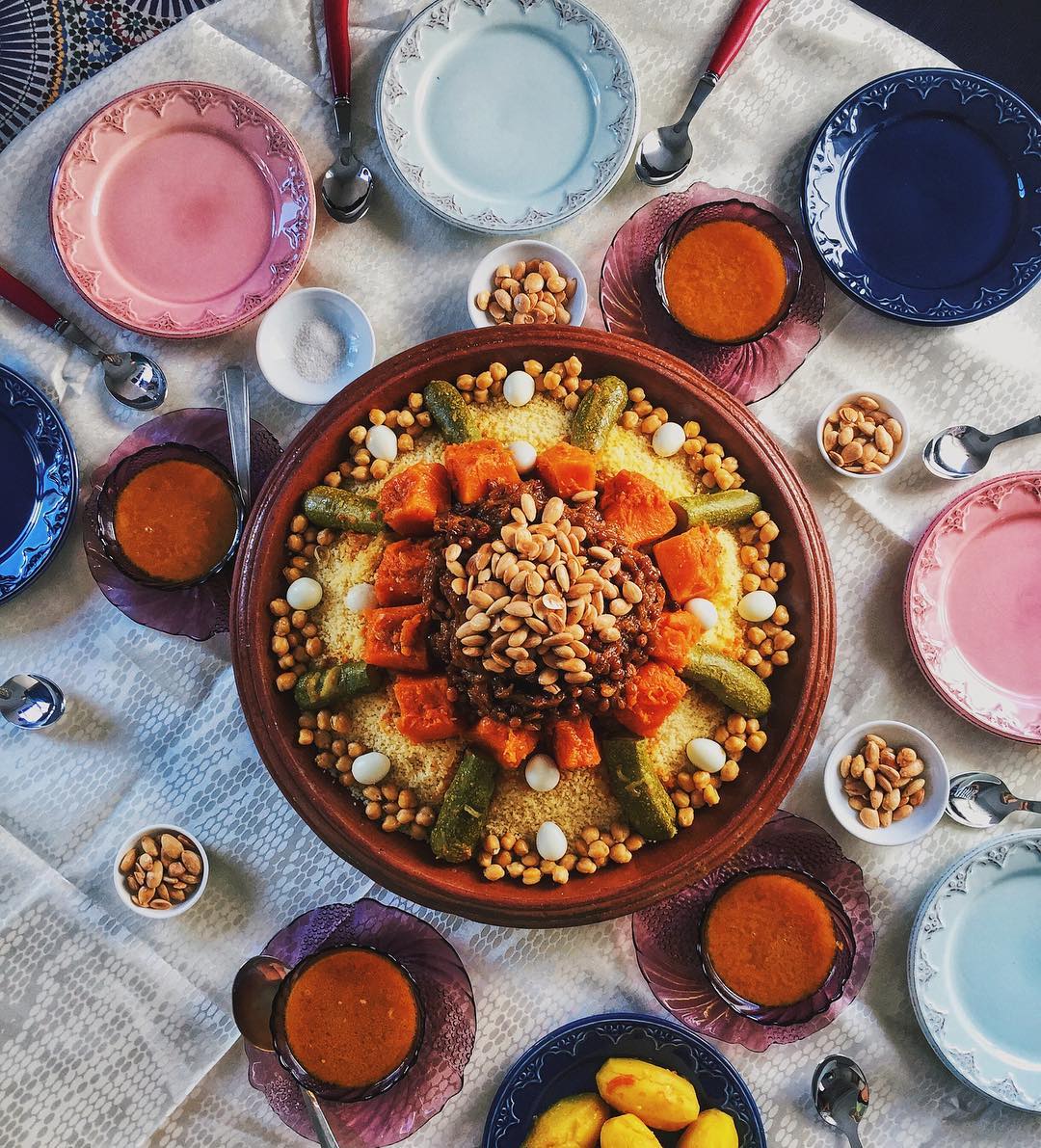 Couscousseksu
🇩🇿 Algeria and 4 moreSteamed semolina granules served with stew or vegetables across North Africa
Main dish, Lunch, Dinner
Couscousseksu
🇩🇿 Algeria and 4 moreSteamed semolina granules served with stew or vegetables across North Africa
Main dish, Lunch, Dinner
 Oxtail stewMeat
🇮🇹 Italy and 4 moreStew made with oxtail, found in many world cuisines
Stew or curry, Lunch, Dinner
Oxtail stewMeat
🇮🇹 Italy and 4 moreStew made with oxtail, found in many world cuisines
Stew or curry, Lunch, Dinner
 Tajineطاجين
🇲🇦 Morocco and 4 moreNorth African stew slow-cooked in a cone-lidded clay pot
Main dish, Lunch, Dinner
Tajineطاجين
🇲🇦 Morocco and 4 moreNorth African stew slow-cooked in a cone-lidded clay pot
Main dish, Lunch, Dinner
 OssobucoMeat
🇮🇹 ItalyBraised veal shank with bone marrow, a Lombard dish often served with risotto or polenta
Main dish, Dinner, Lunch
OssobucoMeat
🇮🇹 ItalyBraised veal shank with bone marrow, a Lombard dish often served with risotto or polenta
Main dish, Dinner, Lunch