
Ossobuco
Braised veal shank with bone marrow, a Lombard dish often served with risotto or polenta
Ossobuco is a dish from Lombardy in northern Italy, made by slowly cooking cross-cut veal shanks with vegetables, white wine, and broth. The marrow inside the bone is a key part of the experience. It is commonly paired with risotto alla milanese or polenta, and comes in both tomato-based and tomato-free versions.
- The marrow in the bone is the prized part of ossobuco
- Ossobuco comes in both tomato and tomato-free versions
- Traditionally served with risotto alla milanese or polenta
- The name means 'bone with a hole' in Italian
What is Ossobuco?
Ossobuco is made by cooking thick slices of veal shank, cut across the bone so that the marrow is exposed. The meat is simmered with vegetables, wine, and broth until it becomes tender. The marrow in the center of the bone is considered the highlight of the dish. Depending on the version, it may include tomatoes or be seasoned with spices like cinnamon and bay leaf. The finished dish is often topped with gremolada, a mix of lemon zest, garlic, and parsley.
Where does Ossobuco come from?
This dish comes from Lombardy, a region in northern Italy, and is especially associated with Milan. The name means 'bone with a hole' in Italian, referring to the marrow-filled bone in the veal shank. Ossobuco has been a part of local cooking for generations, with both older and newer versions found in different areas. The traditional style, ossobuco in bianco, does not use tomatoes, while later recipes add them.
How is Ossobuco made?
To prepare ossobuco, veal shanks are cut into thick slices and dusted with flour. They are browned in butter, oil, or lard, then simmered slowly with a mix of white wine, broth, and vegetables such as carrots, celery, and onions. Some versions add tomatoes to the braising liquid, while the older style uses spices like cinnamon and bay leaf. The dish is cooked until the meat is soft and the marrow is ready to be eaten.


How and when is Ossobuco eaten?
Ossobuco is usually served as a main course for lunch or dinner. In Milan, it is often paired with risotto alla milanese, a saffron-flavored rice dish. In other parts of Italy, especially south of the River Po, it might be served with polenta, mashed potatoes, or even pasta. The marrow is scooped out and eaten along with the meat and sauce, making it a special part of the meal.
Kinds of Ossobuco
There are two main kinds of ossobuco. The original, called ossobuco in bianco, does not use tomatoes and is flavored with spices and gremolada. The modern and more widespread version includes tomatoes and a mix of vegetables. Regional differences also affect what side dishes are served, with risotto common in Lombardy and polenta or pasta found elsewhere.
What Ossobuco means
Ossobuco is a symbol of Lombard cooking and is particularly linked to Milanese tradition. The dish is valued for its use of veal shank and the marrow, which is seen as a delicacy. It is not tied to any religious or festival occasion but is enjoyed as a special meal in homes and restaurants. The name, meaning 'bone with a hole', highlights the importance of the marrow to the dish.
Questions people ask about Ossobuco
What is ossobuco made of?
Ossobuco is made from veal shank cut across the bone, cooked with vegetables, white wine, broth, and sometimes tomatoes. The marrow inside the bone is a key feature.
Where does ossobuco come from?
Ossobuco comes from Lombardy in northern Italy, especially the city of Milan, where it is a traditional dish.
How is ossobuco usually served?
It is commonly served as a main course with risotto alla milanese in Lombardy, or with polenta or mashed potatoes in other regions.
What is special about the bone in ossobuco?
The bone has a center filled with marrow, which is considered a delicacy and is eaten along with the meat.
Are there different types of ossobuco?
Yes, the older version is made without tomatoes and is seasoned with spices, while the modern version includes tomatoes and more vegetables.
Good reading and sources
The facts on this page come from the Wikipedia article "Ossobuco", written by its contributors and used under the CC BY-SA 4.0 licence, and from its Wikidata record (CC0). Thali rewrote the text in its own words, with AI assistance, and compares every page with the article to make sure no passage is copied. It may be reused under the same CC BY-SA 4.0 licence with a link back.
It may contain mistakes, and it is not dietary or allergy advice: recipes differ from cook to cook. If something is wrong, tell us. Last refreshed 2026-10-03.
More from Italy
All the food of Italy Pizza
🇮🇹 Italy and 4 moreFlatbread topped with tomato, cheese and baked at high heat
Main dish, Lunch, Dinner
Pizza
🇮🇹 Italy and 4 moreFlatbread topped with tomato, cheese and baked at high heat
Main dish, Lunch, Dinner
 Pasta
🇮🇹 Italy and 1 moreUnleavened dough shaped and cooked, a staple of Italian cuisine
Main dish, Lunch, Dinner
Pasta
🇮🇹 Italy and 1 moreUnleavened dough shaped and cooked, a staple of Italian cuisine
Main dish, Lunch, Dinner
 SpaghettiVegan
🇮🇹 Italy and 2 moreLong, thin pasta strands made from durum wheat and water
Noodle or pasta dish, Lunch, Dinner
SpaghettiVegan
🇮🇹 Italy and 2 moreLong, thin pasta strands made from durum wheat and water
Noodle or pasta dish, Lunch, Dinner
 Lasagnalasagne
🇮🇹 ItalyBaked layers of pasta sheets, sauce, cheese and fillings from Italy
Main dish, Lunch, Dinner
Lasagnalasagne
🇮🇹 ItalyBaked layers of pasta sheets, sauce, cheese and fillings from Italy
Main dish, Lunch, Dinner
Its cousins elsewhere
All main dishes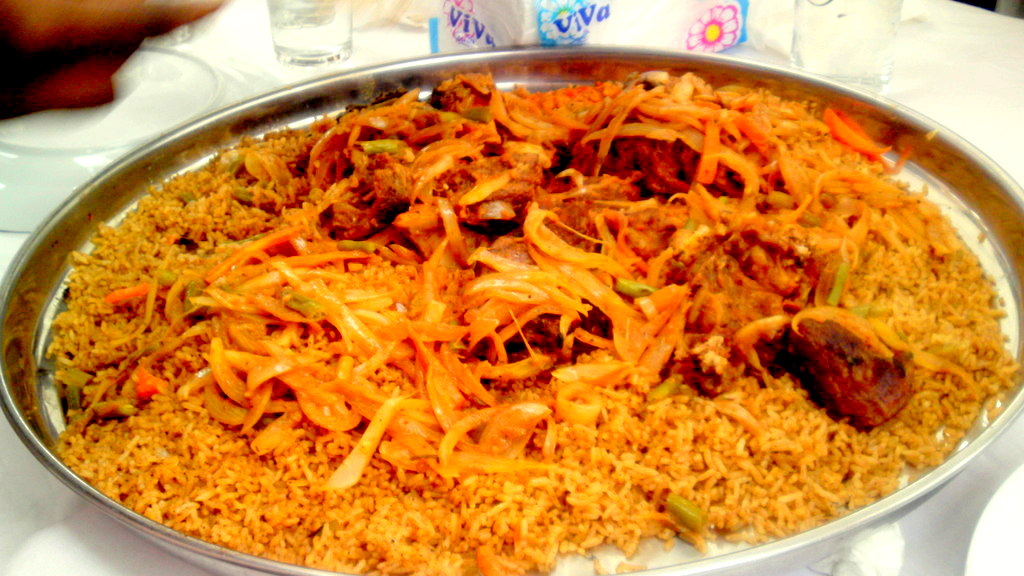 Riz grasMeat
🇧🇫 Burkina Faso and 4 moreWest African rice cooked with meat and vegetables, served hot
Main dish, Lunch, Dinner
Riz grasMeat
🇧🇫 Burkina Faso and 4 moreWest African rice cooked with meat and vegetables, served hot
Main dish, Lunch, Dinner
 Lentil soupVegan
🇪🇬 Egypt and 5 moreA hearty soup made from lentils, often with vegetables and spices
Soup, Lunch, Dinner
Lentil soupVegan
🇪🇬 Egypt and 5 moreA hearty soup made from lentils, often with vegetables and spices
Soup, Lunch, Dinner
 Kabsaكبسة
🇸🇦 Saudi Arabia and 4 moreRice and meat cooked with aromatic spices, a staple of the Arabian Peninsula
Main dish, Lunch, Dinner
Kabsaكبسة
🇸🇦 Saudi Arabia and 4 moreRice and meat cooked with aromatic spices, a staple of the Arabian Peninsula
Main dish, Lunch, Dinner
 Freekehفريكة
🇵🇸 Palestine and 5 moreRoasted green durum wheat grains, a staple across the eastern Mediterranean
Main dish, Lunch, Dinner
Freekehفريكة
🇵🇸 Palestine and 5 moreRoasted green durum wheat grains, a staple across the eastern Mediterranean
Main dish, Lunch, Dinner