
Shukto
In its own language: শুক্তো
A Bengali mixed vegetable dish with a gentle bitter note, served with rice
Shukto is a vegetable dish from Bengal, found in both India and Bangladesh, known for its mild bitterness. It is made with a mix of vegetables such as bitter gourd, drumstick, plantain, and eggplant, and is often served at the start of festive or religious meals, especially with rice.
- Shukto is a traditional Bengali vegetable dish with a mild bitter flavor
- It is often served at weddings and religious functions in Bengal
- The dish is usually eaten with rice as part of a larger meal
- Dudh shukto uses milk to soften the bitterness
- Some versions include fish or use fenugreek seeds for bitterness
What is Shukto?
Shukto is a Bengali dish made from a mix of vegetables, most notably bitter gourd, which gives it a gentle bitterness. Other common vegetables include drumstick (the edible pod of the moringa tree), plantain, eggplant, potato, sweet potato, green beans, and hyacinth beans. The dish is seasoned with spices such as radhuni (a Bengali spice), mustard paste, ginger, and sometimes turmeric. It is usually cooked in mustard oil, with milk and ghee added for richness. Shukto is typically served at room temperature and eaten with rice. Its taste is mild and slightly bitter, with a creamy texture from the milk and ghee.
Where does Shukto come from?
Shukto comes from Bengal, a region that spans eastern India and Bangladesh. The tradition of starting a meal with a bitter dish like shukto is ancient, with roots in Ayurveda, which valued bitters for their supposed medicinal qualities. In the hot, humid climate of Bengal, shukto was also thought to have a cooling effect. The dish is mentioned in medieval Bengali literature, such as Mangal-Kāvya and the biographies of Sri Chaitanya. Similar vegetable stews are found in nearby regions, such as santuḷa in Odisha.
How is Shukto made?
To make shukto, a variety of vegetables are chopped and cooked together. Bitter gourd is almost always included, but other vegetables like drumstick, plantain, eggplant, and potatoes are common. The vegetables are cooked in mustard oil, with spices such as radhuni and mustard paste for flavor. Milk and ghee are often added to soften the bitterness and give the dish a creamy finish. Some versions use turmeric, especially those with fish, but vegetarian versions usually do not.
![One of a kind, unique Bengali dish 'Sukto' is the gateway to enter the world of Bengali food.the key ingredients is karela [bitter-gourd]. Then people mix potato, papaya, pumpkin, moringa oleifera fruit, bori. Then hato](https://thumb.wikimedia.org/wikipedia/commons/thumb/e/e4/Sukkto.jpg/960px-Sukkto.jpg)
How and when is Shukto eaten?
Shukto is usually served at the beginning of a meal, especially during religious or social occasions in Bengali culture. It is a common part of the traditional Bengali thali, a platter with several dishes, and is almost always eaten with rice. The dish is especially present at banquets for weddings, religious ceremonies, and other important gatherings. The slightly bitter taste is considered a palate cleanser and a way to stimulate the appetite.
Kinds of Shukto
There are many versions of shukto. Dudh shukto is a popular type that uses milk to mellow the bitterness. Some recipes include fish, using turmeric for color and flavor, while others skip the bitter vegetables and use fenugreek seeds to keep the signature bitter note. The choice of vegetables and spices can vary by family and region, making shukto a flexible dish.
What Shukto means
Shukto holds a special place in Bengali culture, symbolizing tradition and ritual. It is often served at festive and religious occasions, such as weddings and ceremonies like annaprasana and sraddhya. The dish is tied to Hindu customs and is seen as a mark of hospitality and respect for guests. Its mention in old Bengali texts shows its long-standing role in the region's food history.
Questions people ask about Shukto
What is shukto made of?
Shukto is made from a mix of vegetables such as bitter gourd, drumstick, plantain, eggplant, potato, and sweet potato, along with spices like radhuni and mustard paste. Milk and ghee are often added for richness.
Where does shukto come from?
Shukto comes from Bengal, a region that includes West Bengal in India and Bangladesh. It is a traditional part of Bengali cuisine.
Why does shukto taste bitter?
The bitterness in shukto comes mainly from bitter gourd, which is a key ingredient. The bitter taste is considered important in Bengali food traditions and is thought to have health benefits.
Is shukto always vegetarian?
Most versions of shukto are vegetarian, but some variants include fish. The vegetarian versions usually do not use turmeric, while the fish versions often do.
When is shukto usually eaten?
Shukto is typically served at the start of a meal, especially during religious or social occasions like weddings and festivals. It is eaten with rice as part of a Bengali thali.
Good reading and sources
The facts on this page come from the Wikipedia article "Shukto", written by its contributors and used under the CC BY-SA 4.0 licence, and from its Wikidata record (CC0). Thali rewrote the text in its own words, with AI assistance, and compares every page with the article to make sure no passage is copied. It may be reused under the same CC BY-SA 4.0 licence with a link back.
It may contain mistakes, and it is not dietary or allergy advice: recipes differ from cook to cook. If something is wrong, tell us. Last refreshed 2026-10-03.
More from India
All the food of India Kebabكَبَاب
🇹🇷 Turkey and 5 moreGrilled or roasted meat, often on skewers, found across the Middle East and beyond
Main dish, Lunch, Dinner
Kebabكَبَاب
🇹🇷 Turkey and 5 moreGrilled or roasted meat, often on skewers, found across the Middle East and beyond
Main dish, Lunch, Dinner
 Biryani
🇮🇳 India and 5 moreRice and spiced meat or vegetables layered and cooked together
Main dish, Lunch, Dinner
Biryani
🇮🇳 India and 5 moreRice and spiced meat or vegetables layered and cooked together
Main dish, Lunch, Dinner
 French toast
🇫🇷 France and 5 moreBread soaked in egg and milk, pan-fried and served sweet or savoury
Main dish, Breakfast, Snacks
French toast
🇫🇷 France and 5 moreBread soaked in egg and milk, pan-fried and served sweet or savoury
Main dish, Breakfast, Snacks
 Fish and chipsFish or seafood
🇬🇧 United Kingdom and 8 moreBattered fried fish served hot with thick-cut chips
Main dish, Lunch, Dinner
Fish and chipsFish or seafood
🇬🇧 United Kingdom and 8 moreBattered fried fish served hot with thick-cut chips
Main dish, Lunch, Dinner
Its cousins elsewhere
All main dishes Moussakaμουσακάς
🇬🇷 Greece and 5 moreBaked casserole of eggplant or potato, often layered with meat and sauce
Main dish, Lunch, Dinner
Moussakaμουσακάς
🇬🇷 Greece and 5 moreBaked casserole of eggplant or potato, often layered with meat and sauce
Main dish, Lunch, Dinner
 Hāngī
🇳🇿 New ZealandFood slow-cooked in an earth oven with hot stones, a Māori tradition
Main dish, Lunch, Dinner
Hāngī
🇳🇿 New ZealandFood slow-cooked in an earth oven with hot stones, a Māori tradition
Main dish, Lunch, Dinner
 Sancocho
🇩🇴 Dominican Republic and 5 moreA hearty stew of meat, tubers and vegetables in a rich broth
Soup, Lunch, Dinner
Sancocho
🇩🇴 Dominican Republic and 5 moreA hearty stew of meat, tubers and vegetables in a rich broth
Soup, Lunch, Dinner
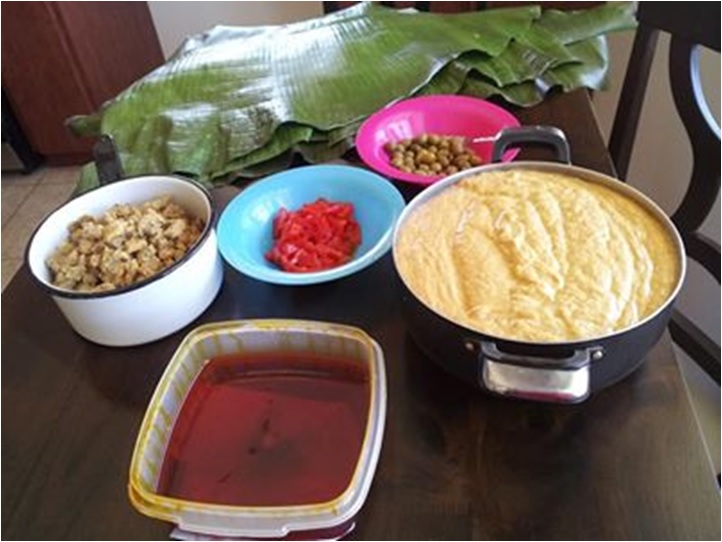 Pasteles
🇵🇷 Puerto Rico and 4 moreBanana leaf-wrapped parcels of seasoned dough with savory fillings, steamed or boiled
Dumpling, Lunch, Dinner
Pasteles
🇵🇷 Puerto Rico and 4 moreBanana leaf-wrapped parcels of seasoned dough with savory fillings, steamed or boiled
Dumpling, Lunch, Dinner