
Strained yogurt
Yogurt thickened by straining out most of its whey
Strained yogurt is made by draining regular yogurt to remove much of its liquid whey, resulting in a thicker, creamier product with a tangy taste. It is enjoyed across the Balkans, Middle East, Central and South Asia, and is often called Greek yogurt, labneh, or chakka depending on the region. It can be eaten plain, with savory or sweet toppings, or used in dips and cooking.
- Made by straining regular yogurt to remove most of its whey
- Known as labneh in the Levant and Greek yogurt in many Western countries
- Can be made from cow, sheep, or goat milk
- Lower in sugar than unstrained yogurt due to removed lactose
- Used in both sweet and savory dishes across many cuisines
What is Strained yogurt?
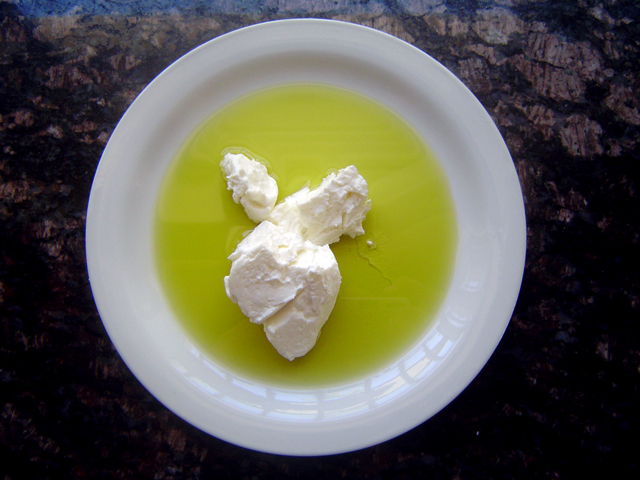
Strained yogurt is a dairy food made by removing much of the watery whey from plain yogurt. This process leaves a thick, creamy product that keeps the yogurt’s sour flavor but has a denser texture, sometimes close to soft cheese. It can be made from cow’s, sheep’s, or goat’s milk, and the taste and richness depend on the milk used. In some places, salt or herbs are added, and it is often topped with olive oil or honey. The result is a versatile food that can be eaten on its own, spread on bread, or used as a base for dips and desserts.
Where does Strained yogurt come from?
Strained yogurt has deep roots in the cuisines of the Middle East, Balkans, Central and South Asia, and the Mediterranean. Each region has its own name and slight variations in preparation. In the Levant, it is called labneh and is often salted and preserved in oil. In Greece, it is made mostly from sheep’s milk and is a base for dishes like tzatziki. The technique of straining yogurt to thicken it has been used for centuries as a way to preserve dairy and create new textures and flavors. The product became widely known in the West in the late 20th century, especially after Greek brands began exporting it.
How is Strained yogurt made?
To make strained yogurt, plain yogurt is placed in a cloth or fine strainer and left to drain for several hours. The liquid whey drips away, leaving behind a thickened yogurt. The longer it drains, the firmer it becomes. In some traditions, salt is mixed in before or after straining. The finished product can be shaped into balls, rolled in herbs or spices, or simply served as a creamy spread. Some versions, like labneh, are strained even longer to become very dense and can be preserved in olive oil.


How and when is Strained yogurt eaten?
Strained yogurt is eaten in many ways, depending on the region. In the Middle East, it is a common breakfast or snack, served as a dip with olive oil, mint, or za’atar, or spread on flatbread. In Greece, it is topped with honey or fruit for dessert, or used in savory dishes. In South Asia, chakka is mixed with sugar and spices to make shrikhand. It is also used as a base for dips, sauces, and as a substitute for sour cream. Strained yogurt is enjoyed cold and is a staple in both everyday meals and special spreads.
Kinds of Strained yogurt
Names and styles of strained yogurt vary by region. Labneh in the Levant is often salted and preserved in oil, while Greek yogurt is usually unsalted and eaten fresh. In Central Asia, chak(k)a or süzme is made from local yogurt and can be dried further into hard cheese. In South Asia, chakka is used to make sweet dishes like shrikhand. Armenia, Bulgaria, and other countries have their own versions, sometimes made from sheep or goat milk. Some commercial products add thickeners instead of straining.
What Strained yogurt means
Strained yogurt is a staple in many regional cuisines and is often part of mezze spreads, breakfasts, and snacks. In the UK and EU, the name “Greek yogurt” is protected and can only be used for yogurt made in Greece. Labneh and other forms are important in Levantine and Middle Eastern food culture, often shared at gatherings. The rise of strained yogurt in North America and Europe has changed the yogurt market, with “Greek yogurt” now a major segment.
Questions people ask about Strained yogurt
What is strained yogurt made of?
Strained yogurt is made by draining regular yogurt, which is usually made from cow, sheep, or goat milk, to remove much of its liquid whey and create a thicker, creamier product.
Where does strained yogurt come from?
Strained yogurt has roots in the Middle East, Balkans, Central and South Asia, and the Mediterranean, with each region having its own name and style.
How is strained yogurt different from regular yogurt?
Strained yogurt is thicker and creamier than regular yogurt because much of the whey is removed. This also makes it lower in sugar and higher in protein compared to unstrained yogurt.
What are some common ways to eat strained yogurt?
It is eaten as a dip with olive oil and herbs, spread on bread, used as a base for sauces and desserts, or mixed with fruit or honey. In some regions, it is rolled into balls and preserved in oil.
Is strained yogurt always made from cow's milk?
No, it can also be made from sheep or goat milk, and the flavor and texture will vary depending on the milk used.
Good reading and sources
- 'Greek' yoghurt Chobani firm loses legal battleBBC, Article
- Taste of Life: Poona cream cheese and cross-cultural exchange of cuisinesHindustan Times, Article
- Strained yogurt on WikipediaEncyclopedia
- More photos on Wikimedia CommonsPhotos
- Wikidata recordOpen data
The facts on this page come from the Wikipedia article "Strained yogurt", written by its contributors and used under the CC BY-SA 4.0 licence, and from its Wikidata record (CC0). Thali rewrote the text in its own words, with AI assistance, and compares every page with the article to make sure no passage is copied. It may be reused under the same CC BY-SA 4.0 licence with a link back.
It may contain mistakes, and it is not dietary or allergy advice: recipes differ from cook to cook. If something is wrong, tell us. Last refreshed 2026-10-03.
More from Greece
All the food of Greece FetaVegetarianφέτα
🇬🇷 GreeceGreek white cheese aged in brine, made from sheep and goat milk
Cheese or dairy food
FetaVegetarianφέτα
🇬🇷 GreeceGreek white cheese aged in brine, made from sheep and goat milk
Cheese or dairy food
 FavaVeganφάβα
🇬🇷 GreeceGreek split pea purée served warm or cold as a dip or spread
Sauce, pickle or ferment, Lunch, Dinner
FavaVeganφάβα
🇬🇷 GreeceGreek split pea purée served warm or cold as a dip or spread
Sauce, pickle or ferment, Lunch, Dinner
 TzatzikiVegetarianτζατζίκι
🇬🇷 Greece and 5 moreStrained yogurt mixed with cucumber, garlic and herbs, served cold as a dip or sauce
Sauce, pickle or ferment, Lunch, Dinner
TzatzikiVegetarianτζατζίκι
🇬🇷 Greece and 5 moreStrained yogurt mixed with cucumber, garlic and herbs, served cold as a dip or sauce
Sauce, pickle or ferment, Lunch, Dinner
Its cousins elsewhere
All sauces, pickles and ferments Kaymak
🇹🇷 Turkey and 5 moreThick, creamy dairy spread made from slowly simmered milk
Sauce, pickle or ferment, Breakfast, Snacks
Kaymak
🇹🇷 Turkey and 5 moreThick, creamy dairy spread made from slowly simmered milk
Sauce, pickle or ferment, Breakfast, Snacks
 RaitaVegetarianरायता
🇮🇳 India and 3 moreYogurt mixed with vegetables, fruit or pulses, served as a cooling side dish
Sauce, pickle or ferment, Lunch, Dinner
RaitaVegetarianरायता
🇮🇳 India and 3 moreYogurt mixed with vegetables, fruit or pulses, served as a cooling side dish
Sauce, pickle or ferment, Lunch, Dinner
 Kashk
🇮🇷 Iran and 6 moreDried or fermented dairy, sometimes with grain, shaped and stored for later use
Cheese or dairy food
Kashk
🇮🇷 Iran and 6 moreDried or fermented dairy, sometimes with grain, shaped and stored for later use
Cheese or dairy food
 Chocolate
🇨🇮 Ivory Coast and 5 moreA sweet or bitter food made from processed cocoa beans, enjoyed in many forms worldwide
Sweet or dessert, Snacks
Chocolate
🇨🇮 Ivory Coast and 5 moreA sweet or bitter food made from processed cocoa beans, enjoyed in many forms worldwide
Sweet or dessert, Snacks