
Kashk
Dried or fermented dairy, sometimes with grain, shaped and stored for later use
Kashk is a family of foods made by fermenting and drying strained yogurt, buttermilk, or sour milk, sometimes mixed with grains. Found across Iran, Turkey, Armenia, the Levant, Central Asia, and Egypt, it is shaped into balls, strips, or chunks, and used to flavor stews, soups, and breads. It keeps well and is valued for its nutrition and long shelf life.
- Made by fermenting and drying strained yogurt or buttermilk
- Used in soups, stews, and breads across the Middle East and Central Asia
- Can be shaped into balls, strips, or powder
- Some versions include fermented grains like wheat or barley
- Keeps for months without refrigeration
What is Kashk?
Kashk is a dried or fermented dairy product, sometimes blended with grains like wheat or barley. It is made by straining yogurt, buttermilk, or sour milk, shaping the curds, and drying them in the sun. The result can be hard balls, strips, or powder, usually white and often quite sour and salty. In some places, it is a powdery mix of fermented grain and dairy. Kashk is used to add tang and richness to soups, stews, and breads.
Where does Kashk come from?
Kashk has ancient roots in the Middle East, Central Asia, and the Caucasus. Originally, it was a way to preserve milk or grains for winter or travel. The word comes from Middle Persian and has spread into many languages. Early forms were sun-dried porridge of grains and whey. Over time, the meaning shifted in different regions: in Iran and Central Asia, it refers to dried dairy, while in Egypt and the Levant it can mean a fermented blend of grain and milk.
How is Kashk made?
To make kashk, strained yogurt or buttermilk is drained, salted, and shaped, then dried in the sun for weeks. Traditional methods may use goatskin churns to separate butter from buttermilk, then boil and dry the curds. In some regions, grains are mixed with dairy and left to ferment before drying. The finished product can be stored for months and is rehydrated or crumbled into dishes as needed.


How and when is Kashk eaten?
Kashk is not usually eaten on its own. It is dissolved in water or crumbled and added to soups, stews, and sauces, giving them a tangy, creamy flavor. In Iran, it is used in dishes like kashk-e bademjan (eggplant) and ash reshteh (noodle soup). In Lebanon, it is a topping for flatbreads or mixed with tomato paste. In Egypt, it appears in both everyday and fasting dishes, sometimes with grains or vegetables.
Kinds of Kashk
There are many regional types of kashk. In Iran and Central Asia, it is mostly a dried dairy product. In Turkey, it can be a cheese or a dried yogurt. In the Levant and Egypt, kishk is often a fermented mix of bulgur wheat and yogurt. In Mongolia, aaruul is a similar dried curd, sometimes sweetened. Some versions are made for fasting, using plant-based substitutes for dairy.
What Kashk means
Kashk is valued for its nutrition and ability to last through seasons when fresh food is scarce. It is part of daily and festive cooking, and in Egypt, there are special versions for Christian fasting. Its long history is reflected in literature and oral tradition, and it remains a staple in rural and pastoral communities. In some regions, making kashk is a communal or seasonal activity.
Questions people ask about Kashk
What is kashk made of?
Kashk is made from strained yogurt, buttermilk, or sour milk, sometimes mixed with grains like wheat or barley. The mixture is salted, shaped, and dried.
Where does kashk come from?
Kashk is found in Iran, Turkey, Armenia, Egypt, Syria, Lebanon, and Central Asia. Each region has its own methods and variations.
How is kashk used in cooking?
Kashk is usually crumbled or dissolved into soups, stews, and sauces to add a tangy, creamy flavor. It is also used as a topping for breads or mixed into vegetable dishes.
Is kashk vegetarian or vegan?
Most kashk is made from dairy and is vegetarian, but some Egyptian fasting versions use plant-based ingredients instead of milk.
How long does kashk last?
Because it is dried and salted, kashk can be stored for months without refrigeration, making it useful for winter or travel.
Good reading and sources
- Ferment to be: Yotam OttolenghiThe Guardian, Recipe
- GARDENS of BIODIVERSITY - Conservation of genetic resources and their use in traditional food production systems by small farmers of the SouFAO, Article
- Kashk goosfandi - Arca del GustoSlow Food Foundation, Article
The facts on this page come from the Wikipedia article "Kashk", written by its contributors and used under the CC BY-SA 4.0 licence, and from its Wikidata record (CC0). Thali rewrote the text in its own words, with AI assistance, and compares every page with the article to make sure no passage is copied. It may be reused under the same CC BY-SA 4.0 licence with a link back.
It may contain mistakes, and it is not dietary or allergy advice: recipes differ from cook to cook. If something is wrong, tell us. Last refreshed 2026-10-03.
More from Iran
All the food of Iran TzatzikiVegetarianτζατζίκι
🇬🇷 Greece and 5 moreStrained yogurt mixed with cucumber, garlic and herbs, served cold as a dip or sauce
Sauce, pickle or ferment, Lunch, Dinner
TzatzikiVegetarianτζατζίκι
🇬🇷 Greece and 5 moreStrained yogurt mixed with cucumber, garlic and herbs, served cold as a dip or sauce
Sauce, pickle or ferment, Lunch, Dinner
 Kaymak
🇹🇷 Turkey and 5 moreThick, creamy dairy spread made from slowly simmered milk
Sauce, pickle or ferment, Breakfast, Snacks
Kaymak
🇹🇷 Turkey and 5 moreThick, creamy dairy spread made from slowly simmered milk
Sauce, pickle or ferment, Breakfast, Snacks
 Strained yogurt
🇬🇷 Greece and 5 moreYogurt thickened by straining out most of its whey
Sauce, pickle or ferment, Breakfast, Snacks
Strained yogurt
🇬🇷 Greece and 5 moreYogurt thickened by straining out most of its whey
Sauce, pickle or ferment, Breakfast, Snacks
Its cousins elsewhere
All cheese and dairy Mozzarella
🇮🇹 ItalySemi-soft Italian cheese made by stretching and kneading curd
Cheese or dairy food
Mozzarella
🇮🇹 ItalySemi-soft Italian cheese made by stretching and kneading curd
Cheese or dairy food
 ParmesanVegetarianParmigiano Reggiano
🇮🇹 ItalyA hard, aged Italian cheese made from cow's milk in Emilia-Romagna
Cheese or dairy food
ParmesanVegetarianParmigiano Reggiano
🇮🇹 ItalyA hard, aged Italian cheese made from cow's milk in Emilia-Romagna
Cheese or dairy food
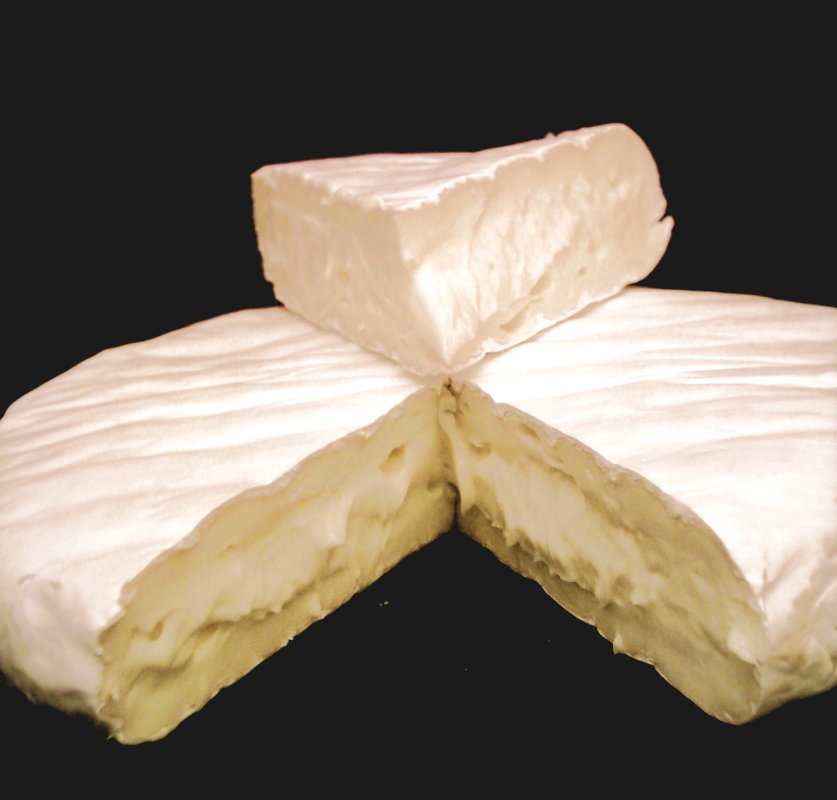 CamembertVegetarian
🇫🇷 FranceSoft, creamy cow’s milk cheese with a white, edible rind from Normandy
Cheese or dairy food
CamembertVegetarian
🇫🇷 FranceSoft, creamy cow’s milk cheese with a white, edible rind from Normandy
Cheese or dairy food
 BrieVegetarian
🇫🇷 France and 3 moreSoft French cheese with a white edible rind and creamy interior
Cheese or dairy food, Lunch, Dinner
BrieVegetarian
🇫🇷 France and 3 moreSoft French cheese with a white edible rind and creamy interior
Cheese or dairy food, Lunch, Dinner