
Toso
In its own language: 屠蘇
Spiced medicinal sake shared at Japanese New Year
Toso is a traditional Japanese New Year drink made by steeping a blend of medicinal herbs in sake or sweet mirin. Families share it in a ritual meant to bring health and long life, with each person sipping from small cups in turn. The custom began in China and became part of Japanese New Year celebrations.
- Toso is a spiced sake drunk at Japanese New Year
- The herbal blend is called tososan
- The custom began in China and spread to Japan
- Families share it in a ritual for health and long life
- Some chemists still give out tososan at year's end
What is Toso?
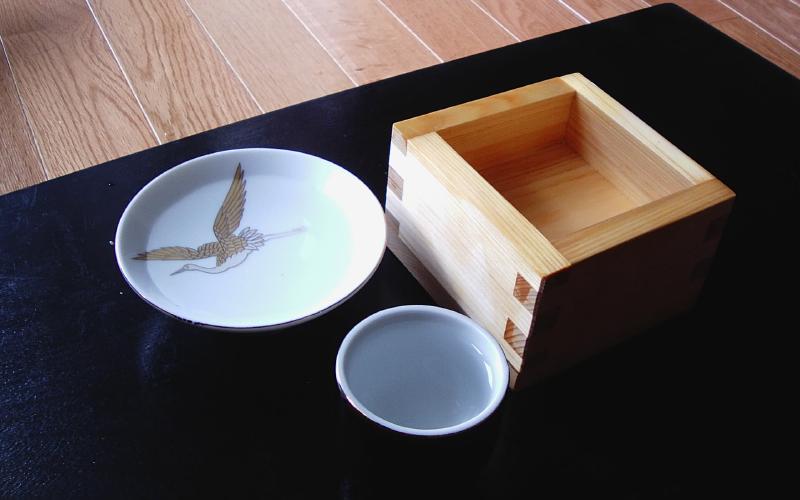
Toso is a spiced sake, sometimes made with sweet mirin, infused with a mix of medicinal herbs. The blend, called tososan, includes ingredients like Japanese pepper, cinnamon, dried ginger, and rhubarb. The drink is clear and aromatic, with a spicy, herbal taste. It is served in small, shallow cups and shared among family or guests during New Year celebrations in Japan.
Where does Toso come from?
The custom of drinking toso began in China during the Tang dynasty, where it was believed to drive away illness and bring longevity. Japanese aristocrats adopted the tradition in the Heian period, and it later spread to the wider public. The original herbal blend is said to have been created by the Chinese physician Zhang Zhongjing. Over time, some of the stronger Chinese herbs were replaced with milder Japanese ones.
How is Toso made?
To make toso, a mixture of dried medicinal herbs—known as tososan—is steeped in sake or sweet mirin. The herbs are left to infuse, releasing their flavors and properties into the alcohol. The resulting drink is strained and poured into three sizes of ceremonial cups, which are passed around for each person to sip in turn.


How and when is Toso eaten?
Toso is drunk on New Year's Day as part of osechi, the traditional Japanese holiday meal. The ritual involves passing three cups, starting with the smallest, among family or guests. In formal settings, the youngest drinks first, though in many homes the head of the household now begins. The drink is believed to bring health and protect against illness in the coming year.
Kinds of Toso
The recipe for toso has changed over the centuries. Some original Chinese herbs were replaced for safety and taste. In some regions of Japan, especially outside Kansai and the west, people now use plain sake instead of the herbal blend. Historically, different cups were filled with different herbal mixtures, but this is less common today.
What Toso means
Toso is closely tied to Japanese New Year customs and the wish for family health. It is part of osechi cuisine and is still given out by some chemists at year's end. The drink's name comes from kanji meaning 'to slaughter evil spirits.' While the tradition is now strongest in western Japan, its ritual and symbolism remain important for many families.
When Toso is on the table
Questions people ask about Toso
What is toso made of?
Toso is made by steeping a blend of medicinal herbs—such as Japanese pepper, cinnamon, dried ginger, and rhubarb—in sake or sweet mirin.
Where does toso come from?
Toso originated in China during the Tang dynasty and became part of Japanese New Year celebrations after being adopted by Japanese aristocrats in the Heian period.
When is toso drunk?
Toso is traditionally drunk on New Year's Day in Japan as part of the osechi meal, in a ritual meant to bring health and long life.
How is toso served?
Toso is poured into three sizes of ceremonial cups, which are passed around so each family member or guest can take a sip in turn.
Is toso alcoholic?
Yes, toso is an alcoholic drink, as it is made by infusing herbs in sake or sweet mirin, both of which contain alcohol.
Good reading and sources
The facts on this page come from the Wikipedia article "Toso", written by its contributors and used under the CC BY-SA 4.0 licence, and from its Wikidata record (CC0). Thali rewrote the text in its own words, with AI assistance, and compares every page with the article to make sure no passage is copied. It may be reused under the same CC BY-SA 4.0 licence with a link back.
It may contain mistakes, and it is not dietary or allergy advice: recipes differ from cook to cook. If something is wrong, tell us. Last refreshed 2026-10-03.
More from Japan
All the food of Japan TeaVegan茶
🇨🇳 China and 5 moreA drink made by soaking tea leaves in hot or cold water
Drink
TeaVegan茶
🇨🇳 China and 5 moreA drink made by soaking tea leaves in hot or cold water
Drink
 Ice cream
🇺🇸 United States and 5 moreA frozen dessert made from sweetened, flavoured milk or cream
Sweet or dessert, Snacks
Ice cream
🇺🇸 United States and 5 moreA frozen dessert made from sweetened, flavoured milk or cream
Sweet or dessert, Snacks
 SakeVegan酒
🇯🇵 JapanJapanese alcoholic drink brewed from polished rice and kōji mold
Drink
SakeVegan酒
🇯🇵 JapanJapanese alcoholic drink brewed from polished rice and kōji mold
Drink
 Bubble tea珍珠奶茶
🇹🇼 Taiwan and 5 moreSweet tea with chewy tapioca pearls, served hot or cold
Drink
Bubble tea珍珠奶茶
🇹🇼 Taiwan and 5 moreSweet tea with chewy tapioca pearls, served hot or cold
Drink
Its cousins elsewhere
All drinks Mulled wineGlühwein
🇬🇧 United Kingdom and 5 moreRed wine heated with spices and fruit, served hot at Christmas and winter gatherings
Drink, Tea time, Dinner
Mulled wineGlühwein
🇬🇧 United Kingdom and 5 moreRed wine heated with spices and fruit, served hot at Christmas and winter gatherings
Drink, Tea time, Dinner
 HorchataVegan
🇪🇸 Spain and 5 moreSweet plant-based drink made from rice, tiger nuts or seeds
Drink, Snacks
HorchataVegan
🇪🇸 Spain and 5 moreSweet plant-based drink made from rice, tiger nuts or seeds
Drink, Snacks
 KompotVegan
🇵🇱 Poland and 5 moreSweet fruit drink made by simmering fresh or dried fruit in water
Drink
KompotVegan
🇵🇱 Poland and 5 moreSweet fruit drink made by simmering fresh or dried fruit in water
Drink
 GloggGlögg
🇸🇪 Sweden and 2 moreNordic spiced mulled wine, served warm at Christmas
Drink, Tea time, Snacks
GloggGlögg
🇸🇪 Sweden and 2 moreNordic spiced mulled wine, served warm at Christmas
Drink, Tea time, Snacks