
Glogg
In its own language: Glögg
Nordic spiced mulled wine, served warm at Christmas
Glogg is a spiced, usually alcoholic, mulled wine from Sweden, now enjoyed across the Nordic countries, especially during winter and Christmas. It is made by warming wine or juice with spices like cloves, cinnamon, cardamom, and ginger, and often includes raisins and almonds. Non-alcoholic versions use fruit juices instead of wine.
- Glogg is a traditional Christmas drink in Sweden and Finland
- It is made by warming wine or juice with spices, raisins, and almonds
- Non-alcoholic glogg uses fruit or berry juice instead of wine
- Glogg is always served hot, but not boiled if alcoholic
- The largest glogg factory in the Nordics is in Finland
What is Glogg?
Glogg is a warm, spiced drink most often made with red or sweet wine, though white wine, spirits like brandy, or fruit juices can also be used. It is flavored with spices such as cloves, cinnamon, cardamom, and ginger, and sometimes citrus peel. Raisins and whole almonds are often added, either while warming or just before serving. The drink is rich in aroma from the spices and has a sweet, fruity taste, sometimes with a gentle alcoholic warmth. It is typically served in small cups during winter, especially at Christmas gatherings.
Where does Glogg come from?
The tradition of drinking hot, spiced wine in the Nordic countries dates back to at least the 16th century. Originally, glogg was a spiced spirit consumed by travelers in cold weather. By the 19th century, it had become a popular winter drink in Sweden, often mixed with juice or syrup and sometimes spirits. Glogg spread to Finland from Sweden in the late 1800s, becoming a Christmas tradition there by the mid-20th century. In Estonia, Swedish-style glogg became popular only in the late 20th century, after first being known mainly as mulled wine.
How is Glogg made?
To make glogg, water is boiled and spices like cloves, cinnamon, cardamom, and ginger are added to steep. The mixture is then strained, and wine, spirits, or fruit juice is mixed in. Some recipes warm the wine and spices together without boiling, letting the flavors steep overnight. Raisins and almonds are often added during warming or just before serving. Non-alcoholic versions use grape, apple, or blackcurrant juice instead of wine. The drink is always served hot, but not boiled if it contains alcohol.


How and when is Glogg eaten?
Glogg is most commonly enjoyed during winter, especially around Christmas, often as part of festive gatherings. It is typically served with small snacks such as gingerbread biscuits or saffron buns. The drink is poured into small cups, sometimes with a few almonds or raisins added to each serving. It is enjoyed both as a treat during the day or as part of a holiday evening. In Sweden and Finland, it is a familiar part of Christmas celebrations.
Kinds of Glogg
There are many versions of glogg. Some use white wine or sweet wine as a base, while others include spirits like brandy, cognac, or even rum. Non-alcoholic glogg is made with fruit or berry juices, such as grape, apple, or blackcurrant. Commercially produced glogg is widely available, and recipes may vary by region and family tradition. In Estonia, glogg is a more recent tradition, with local production starting in the 1990s.
What Glogg means
Glogg is closely tied to Christmas and winter in Sweden, Finland, and Estonia. In Sweden, it became a Christmas tradition in the 19th century, with homemade and shop-bought blends often featuring festive labels. In Finland, it is a widespread holiday drink, and the largest glogg factory in the Nordic countries is located there. Glogg is now a symbol of Nordic holiday hospitality, with millions of litres sold each year.
When Glogg is on the table
Questions people ask about Glogg
What is glogg made of?
Glogg is made by warming wine or fruit juice with spices such as cloves, cinnamon, cardamom, and ginger. Raisins and almonds are often added, and some recipes include spirits like brandy or rum.
Where does glogg come from?
Glogg originated in Sweden and has become a traditional winter and Christmas drink across the Nordic countries, especially in Sweden, Finland, and Estonia.
Is glogg always alcoholic?
No, glogg can be made with wine or spirits for an alcoholic version, or with fruit or berry juices for a non-alcoholic version.
When is glogg usually served?
Glogg is most commonly served during winter, especially around Christmas, often at festive gatherings with snacks like gingerbread biscuits.
What does glogg taste like?
Glogg has a sweet, spiced flavor from ingredients like cinnamon, cloves, and cardamom, with fruity notes from wine or juice, and sometimes a gentle alcoholic warmth.
Good reading and sources
The facts on this page come from the Wikipedia article "Glögg", written by its contributors and used under the CC BY-SA 4.0 licence, and from its Wikidata record (CC0). Thali rewrote the text in its own words, with AI assistance, and compares every page with the article to make sure no passage is copied. It may be reused under the same CC BY-SA 4.0 licence with a link back.
It may contain mistakes, and it is not dietary or allergy advice: recipes differ from cook to cook. If something is wrong, tell us. Last refreshed 2026-10-03.
More from Sweden
All the food of Sweden VodkaVeganwódka
🇷🇺 Russia and 5 moreA clear spirit distilled from grains or potatoes, known for its neutral taste
Drink
VodkaVeganwódka
🇷🇺 Russia and 5 moreA clear spirit distilled from grains or potatoes, known for its neutral taste
Drink
 MarzipanVegetarian
🇩🇪 Germany and 5 moreSweet almond paste shaped or used in cakes, especially at Christmas and weddings
Sweet or dessert, Snacks, Tea time
MarzipanVegetarian
🇩🇪 Germany and 5 moreSweet almond paste shaped or used in cakes, especially at Christmas and weddings
Sweet or dessert, Snacks, Tea time
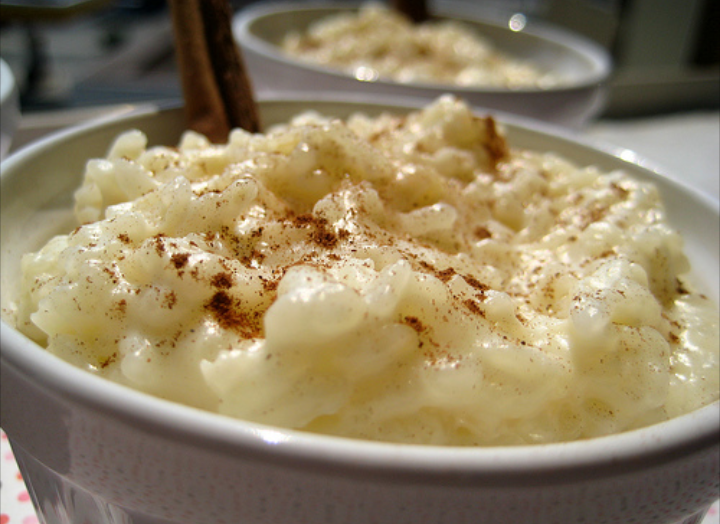 Rice pudding
🇮🇳 India and 4 moreSweetened rice cooked in milk, found in many forms worldwide
Sweet or dessert, Breakfast, Lunch
AkvavitVegan
🇳🇴 Norway and 4 moreA Scandinavian spirit flavoured with caraway or dill, often enjoyed at festive meals
Drink, Dinner, Lunch
Rice pudding
🇮🇳 India and 4 moreSweetened rice cooked in milk, found in many forms worldwide
Sweet or dessert, Breakfast, Lunch
AkvavitVegan
🇳🇴 Norway and 4 moreA Scandinavian spirit flavoured with caraway or dill, often enjoyed at festive meals
Drink, Dinner, Lunch
Its cousins elsewhere
All drinks KahwahVegan
🇮🇳 India and 2 moreA spiced green tea from Kashmir, often served with saffron and nuts
Drink
KahwahVegan
🇮🇳 India and 2 moreA spiced green tea from Kashmir, often served with saffron and nuts
Drink
 Masala chaiVegetarianचाय
🇮🇳 India and 2 moreBlack tea brewed with milk, spices and sugar, served hot across India
Drink, Breakfast, Tea time
Masala chaiVegetarianचाय
🇮🇳 India and 2 moreBlack tea brewed with milk, spices and sugar, served hot across India
Drink, Breakfast, Tea time
 ZoomkoomVegan
🇧🇫 Burkina Faso and 1 moreFermented millet or guinea corn drink from Burkina Faso and Northern Ghana
Drink
ZoomkoomVegan
🇧🇫 Burkina Faso and 1 moreFermented millet or guinea corn drink from Burkina Faso and Northern Ghana
Drink
 Hibiscus teaVegan
🇳🇬 Nigeria and 5 moreA tart, ruby-red drink made from roselle flower calyces, served hot or cold
Drink, Snacks
Hibiscus teaVegan
🇳🇬 Nigeria and 5 moreA tart, ruby-red drink made from roselle flower calyces, served hot or cold
Drink, Snacks