
Tsokolate
A thick Filipino hot chocolate made from pure cacao tablets
Tsokolate is a Filipino hot chocolate drink made by melting discs of pure ground cacao, called tableya, in water and milk. Traditionally whisked to a froth with a wooden baton, it is sweetened with muscovado sugar and often enjoyed at breakfast or afternoon snack time, especially during the Christmas season.
- Made with tableya, discs of pure ground cacao
- Traditionally whisked with a wooden baton for froth
- Often served with Filipino pastries and rice cakes
- Popular at breakfast, merienda, and Christmas
- Has a distinctive grainy texture and rich chocolate taste
What is Tsokolate?
Tsokolate is a rich, warm drink from the Philippines, known for its thick texture and deep chocolate flavor. The main ingredient is tableya—small discs made from ground roasted cacao beans. These are melted into a mix of water and milk, then sweetened with unrefined muscovado sugar. The drink is whisked until frothy, giving it a light foam on top and a slightly grainy mouthfeel. Tsokolate is enjoyed for its bold chocolate taste and comforting warmth.
Where does Tsokolate come from?
Tsokolate traces its roots to the Philippines, where it has long been a part of local food culture. The drink uses tableya, a form of cacao that is dried, roasted, and ground into tablets. Its preparation and name reflect Spanish influence, as the word comes from Spanish 'chocolate', itself from the Nahuatl 'xocolātl'. Over time, tsokolate became a staple in Filipino homes, especially before coffee became widespread.
How is Tsokolate made?
To prepare tsokolate, water and milk are heated in a tall metal pot called a tsokolatera. Once hot, tableya discs are dropped in and stirred until they dissolve. Muscovado sugar and sometimes cream are added for sweetness and richness. The mixture is then whisked vigorously with a wooden baton, called a molinillo or batirol, to create a foamy top. The drink is poured into cups and served hot.


How and when is Tsokolate eaten?
Tsokolate is most often served at breakfast or during merienda, the Filipino afternoon snack time. It is commonly paired with local pastries and rice cakes, such as pandesal, puto bumbong, or suman. The drink is especially popular during the Christmas season, when it is enjoyed by families and children. Tsokolate can be sipped on its own or alongside sweet and savory snacks.
Kinds of Tsokolate
Regional names for tsokolate include suklati, sikulate, and sikwate, reflecting local languages. Some versions add spices like cinnamon or vanilla, or toppings such as toasted rice flakes. While the traditional method uses a tsokolatera and molinillo, modern kitchens may use blenders or milk frothers. Using commercial cocoa powder is generally avoided, as it does not give the same flavor or texture.
What Tsokolate means
Tsokolate holds a special place in Filipino gatherings, especially at Christmas. It is a symbol of hospitality and comfort, often served with traditional snacks. The drink appears in literature, such as José Rizal's 'Noli Me Tangere', where it is used to signal social status by serving it thick or thin. Today, tsokolate remains a cherished part of Filipino food traditions.
When Tsokolate is on the table
Questions people ask about Tsokolate
What is tsokolate made of?
Tsokolate is made from tableya, which are discs of pure ground roasted cacao beans. These are melted in water and milk, then sweetened with muscovado sugar.
Where does tsokolate come from?
Tsokolate is from the Philippines, where it has been a traditional drink for generations, especially before coffee became common.
How is tsokolate prepared?
To make tsokolate, tableya is dissolved in hot water and milk, then whisked with a wooden baton until frothy. Sugar is added for sweetness.
When is tsokolate usually drunk?
It is typically enjoyed at breakfast or during merienda, the Filipino afternoon snack time, and is especially popular during the Christmas season.
What does tsokolate taste and feel like?
Tsokolate has a bold chocolate flavor, is thick and warm, and has a slightly grainy texture from the ground cacao.
Good reading and sources
The facts on this page come from the Wikipedia article "Tsokolate", written by its contributors and used under the CC BY-SA 4.0 licence, and from its Wikidata record (CC0). EveryThali rewrote the text in its own words, with AI assistance, and compares every page with the article to make sure no passage is copied. It may be reused under the same CC BY-SA 4.0 licence with a link back.
It may contain mistakes, and it is not dietary or allergy advice: recipes differ from cook to cook. If something is wrong, tell us. Last refreshed 2026-10-03.
More from the Philippines
All the food of the Philippines Hot chocolate
🇲🇽 Mexico and 5 moreA warm drink made from chocolate or cocoa, milk or water, and sugar
Drink, Breakfast, Snacks
Hot chocolate
🇲🇽 Mexico and 5 moreA warm drink made from chocolate or cocoa, milk or water, and sugar
Drink, Breakfast, Snacks
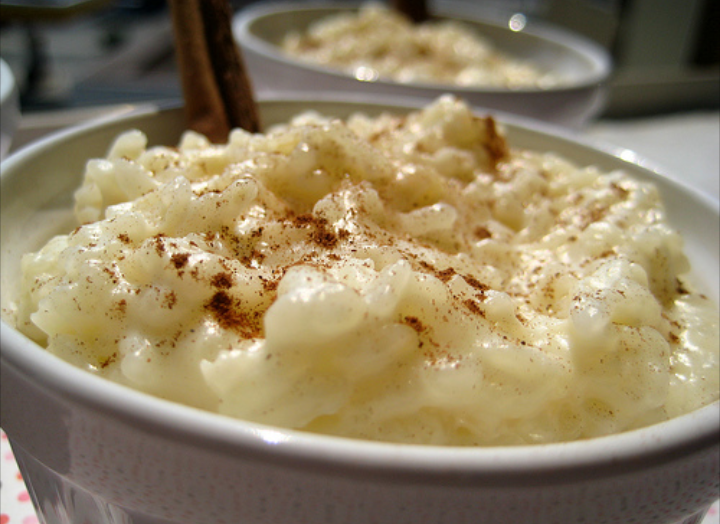 Rice pudding
🇮🇳 India and 4 moreSweetened rice cooked in milk, found in many forms worldwide
Sweet or dessert, Breakfast, Lunch
Rice pudding
🇮🇳 India and 4 moreSweetened rice cooked in milk, found in many forms worldwide
Sweet or dessert, Breakfast, Lunch
 Palm wineVegan
🇳🇬 Nigeria and 5 moreA lightly alcoholic drink made by fermenting the sap of palm trees
Drink
Palm wineVegan
🇳🇬 Nigeria and 5 moreA lightly alcoholic drink made by fermenting the sap of palm trees
Drink
 BreadfruitVegan
🇵🇭 Philippines and 4 moreLarge tropical fruit cooked as a starchy staple in many island cuisines
Main dish, Lunch, Dinner
BreadfruitVegan
🇵🇭 Philippines and 4 moreLarge tropical fruit cooked as a starchy staple in many island cuisines
Main dish, Lunch, Dinner
Its cousins elsewhere
All drinks MazamorraKaguyjy
🇪🇸 Spain and 10 moreTraditional corn-based dessert or drink found across Spain and Latin America
Drink, Breakfast, Lunch
Koko Samoa
🇼🇸 SamoaRich Samoan hot chocolate brewed from roasted, freshly crushed cocoa beans
Drink
MazamorraKaguyjy
🇪🇸 Spain and 10 moreTraditional corn-based dessert or drink found across Spain and Latin America
Drink, Breakfast, Lunch
Koko Samoa
🇼🇸 SamoaRich Samoan hot chocolate brewed from roasted, freshly crushed cocoa beans
Drink
 Ice cream
🇺🇸 United States and 5 moreA frozen dessert made from sweetened, flavoured milk or cream
Sweet or dessert, Snacks
Ice cream
🇺🇸 United States and 5 moreA frozen dessert made from sweetened, flavoured milk or cream
Sweet or dessert, Snacks
 SimaVegan
🇫🇮 FinlandFinnish sparkling lemon drink, lightly fermented and sweet
Drink, Snacks
SimaVegan
🇫🇮 FinlandFinnish sparkling lemon drink, lightly fermented and sweet
Drink, Snacks