
Watalappam
Sri Lankan coconut custard pudding with jaggery, spices and cashew nuts
Watalappam is a sweet coconut custard pudding from Sri Lanka, made with coconut milk or condensed milk, jaggery, eggs, cashew nuts, and spices such as cardamom, clove, and nutmeg. It is closely linked to the country's Muslim community and is especially popular during Eid al-Fitr, weddings, and other celebrations.
- A coconut custard pudding with jaggery and spices
- Brought to Sri Lanka by Malays in the 18th century
- Strongly linked to Eid al-Fitr celebrations
- Often includes cashew nuts and sometimes pandan or vanilla
- Name may reflect Malay, Tamil, and Dutch influences
What is Watalappam?
Watalappam is a rich, spiced pudding from Sri Lanka, made by blending coconut milk or condensed milk with jaggery (a type of unrefined cane sugar), eggs, and a mix of spices like cardamom, clove, and nutmeg. Cashew nuts are often added for texture and flavor. Sometimes, pandan juice or grated vanilla pods are included for extra aroma. The finished pudding is smooth and custardy, with a deep caramel color from the jaggery and a fragrant, sweet-spicy scent.
Where does Watalappam come from?
Watalappam is thought to have arrived in Sri Lanka with the Malay community in the 18th century, during the period of Dutch colonial rule. While its name may sound Tamil, the dish was not originally known to Tamil speakers. Instead, it likely comes from the Malay dessert serikaya, a steamed custard of eggs, coconut milk, palm sugar, and pandan leaves. The word 'watalappam' may also reflect Dutch influence, with 'Vla' meaning custard, combined with Tamil phrasing by the Moors.
How is Watalappam made?
To make watalappam, coconut milk or condensed milk is mixed with jaggery, eggs, and ground spices such as cardamom, clove, and nutmeg. Cashew nuts are folded in, and sometimes pandan juice or vanilla is added for extra flavor. The mixture is poured into a dish and steamed until it sets into a soft, creamy custard. The pudding is then cooled before serving, often sliced into portions.

How and when is Watalappam eaten?
Watalappam is most often served as a dessert at festive gatherings, especially among Sri Lanka’s Muslim community. It is a traditional sweet for Eid al-Fitr, marking the end of Ramadan, and is also common at weddings and other celebrations. The pudding is usually cut into squares or wedges and shared among family and guests. Its sweet, spiced flavor makes it a favorite at special occasions.
Kinds of Watalappam
Some versions of watalappam use condensed cow’s milk instead of coconut milk, or add extra spices for a stronger flavor. Pandan juice or grated vanilla pods may be included for a different aroma. The basic custard can also be adapted with more or fewer cashew nuts, depending on taste and availability. The core elements—eggs, jaggery, and coconut milk—remain central to all variations.
What Watalappam means
Watalappam is a symbol of celebration for Sri Lankan Muslims and is closely tied to religious and social events. Its presence at Eid al-Fitr and weddings marks it as a dish of joy and togetherness. Though it began with the Malay community, it is now widely recognized across Sri Lanka as a festive sweet, reflecting the country’s diverse influences and shared traditions.
When Watalappam is on the table
Questions people ask about Watalappam
What is watalappam made of?
Watalappam is made from coconut milk or condensed milk, jaggery, eggs, cashew nuts, and spices such as cardamom, clove, and nutmeg. Sometimes pandan juice or vanilla is added.
Where does watalappam come from?
Watalappam comes from Sri Lanka and is believed to have been introduced by the Malay community in the 18th century during Dutch colonial rule.
When is watalappam usually eaten?
It is most often eaten during Eid al-Fitr, weddings, and other religious or festive occasions, especially by Sri Lanka’s Muslim community.
Is watalappam vegetarian?
Yes, watalappam is vegetarian as it contains eggs and dairy or coconut milk, but no meat or fish.
What does watalappam taste like?
It has a sweet, spiced flavor from jaggery and spices, with a creamy, custard-like texture and the richness of coconut milk or condensed milk.
Good reading and sources
The facts on this page come from the Wikipedia article "Watalappam", written by its contributors and used under the CC BY-SA 4.0 licence, and from its Wikidata record (CC0). Thali rewrote the text in its own words, with AI assistance, and compares every page with the article to make sure no passage is copied. It may be reused under the same CC BY-SA 4.0 licence with a link back.
It may contain mistakes, and it is not dietary or allergy advice: recipes differ from cook to cook. If something is wrong, tell us. Last refreshed 2026-10-03.
More from Sri Lanka
All the food of Sri Lanka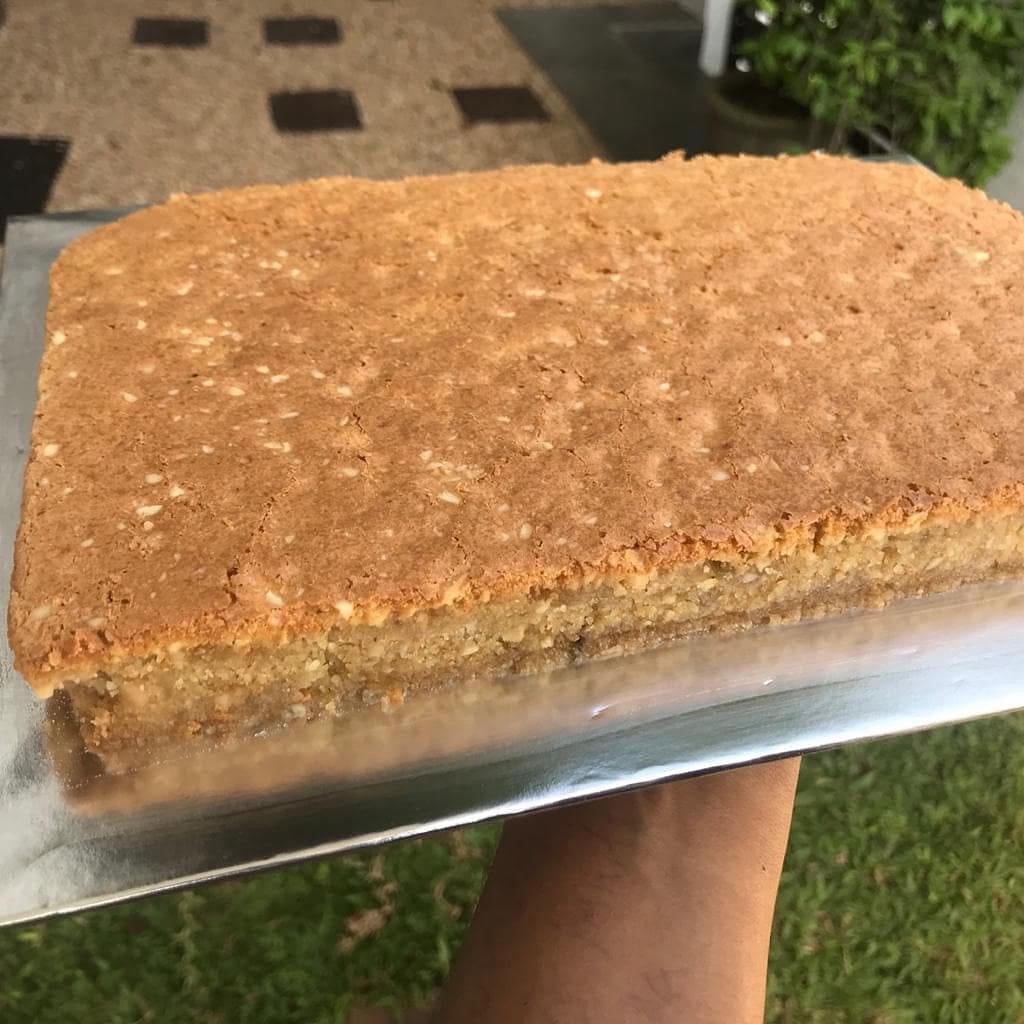 Love cakeVegetarian
🇱🇰 Sri LankaSri Lankan semolina cake with cashews, pumpkin preserve, and aromatic spices
Sweet or dessert
Love cakeVegetarian
🇱🇰 Sri LankaSri Lankan semolina cake with cashews, pumpkin preserve, and aromatic spices
Sweet or dessert
 ModakVegetarian
🇮🇳 India and 5 moreA sweet dumpling with coconut and jaggery, offered in Hindu and Buddhist rituals
Sweet or dessert, Snacks
ModakVegetarian
🇮🇳 India and 5 moreA sweet dumpling with coconut and jaggery, offered in Hindu and Buddhist rituals
Sweet or dessert, Snacks
Its cousins elsewhere
All sweets and desserts Coquito
🇵🇷 Puerto RicoCoconut and rum holiday drink from Puerto Rico, served chilled in small glasses
Drink, Snacks
Coquito
🇵🇷 Puerto RicoCoconut and rum holiday drink from Puerto Rico, served chilled in small glasses
Drink, Snacks
 Eggnog
🇺🇸 United States and 5 moreA creamy, sweet drink of milk, eggs, sugar and spirits, served at Christmas
Drink, Snacks
Eggnog
🇺🇸 United States and 5 moreA creamy, sweet drink of milk, eggs, sugar and spirits, served at Christmas
Drink, Snacks
 Pumpkin pieVegetarian
🇺🇸 United States and 1 moreSweet pie with spiced pumpkin custard in a pastry shell, served for autumn holidays
Sweet or dessert
Pumpkin pieVegetarian
🇺🇸 United States and 1 moreSweet pie with spiced pumpkin custard in a pastry shell, served for autumn holidays
Sweet or dessert
 CocadaVegetarian
🇧🇷 Brazil and 5 moreChewy coconut sweets baked and served at room temperature
Sweet or dessert, Snacks
CocadaVegetarian
🇧🇷 Brazil and 5 moreChewy coconut sweets baked and served at room temperature
Sweet or dessert, Snacks