Sacred and ceremonial meals
Langar
The free community kitchen of every Sikh gurdwara, where anyone of any faith or background is fed a vegetarian meal, seated together as equals.
Presented by ClearTrust Free for cooks, travellers and the curious.
Langar is the shared meal served in a Sikh gurdwara. It is free, it is offered to everyone, and all sit side by side on the floor to eat it. The practice was begun by Guru Nanak, the founder of the Sikh faith, and it expresses two Sikh principles: the equality of all people, and selfless service, called seva.

What it is
Every gurdwara has a kitchen and a hall for langar. The food is simple and always vegetarian, so that people of any diet can eat it together. A typical meal is flatbread, lentils, a vegetable dish, rice and a sweet rice pudding. It is cooked, served and cleaned up by volunteers. Giving money, bringing flour and lentils, rolling bread, ladling dal and washing plates are all forms of seva, and people of every age take part.
What it means
In the India of Guru Nanak's time, caste rules decided who could eat with whom. Sitting in a single row, called pangat, and eating the same food from the same kitchen set those rules aside. Rich and poor, men and women, Sikh and visitor sit at the same level. The Gurus who followed Guru Nanak strengthened the institution, and Sikh tradition holds that even an emperor who came to meet the Guru was asked to eat in the langar first.
How it works
Visitors cover their heads and remove their shoes on entering the gurdwara. In the langar hall you take a steel plate and sit on a mat in the next free place in the row. Volunteers come along the line serving each item. You may ask for more or for less. When you finish, you carry your plate to the washing area. The Golden Temple in Amritsar serves langar day and night and feeds tens of thousands of people every day.
How to do it
- Cover your head and take off your shoes before entering.
- Wash your hands, take a plate and sit in the row on the floor.
- Hold out cupped hands to receive bread.
- Say bas, enough, or hold a hand over your plate to refuse more.
- Take your plate to the washing area. Offer to help if you wish.
Good manners
- Take only what you will eat. Leaving food is considered disrespectful.
- No tobacco or alcohol may be brought into a gurdwara.
- Sit cross-legged if you can. Do not point your feet toward the prayer hall.
What is eaten
 DalSoupy dish made from split lentils, peas or beans, a staple across South Asia
 RotiUnleavened flatbread made from whole-wheat flour, common across South Asia and beyond
 KheerA sweet pudding of rice, milk and sugar, flavoured with cardamom and nuts
 Karah ParshadA sacred Sikh sweet made from whole-wheat flour, ghee, and sugar, shared in Gurdwaras
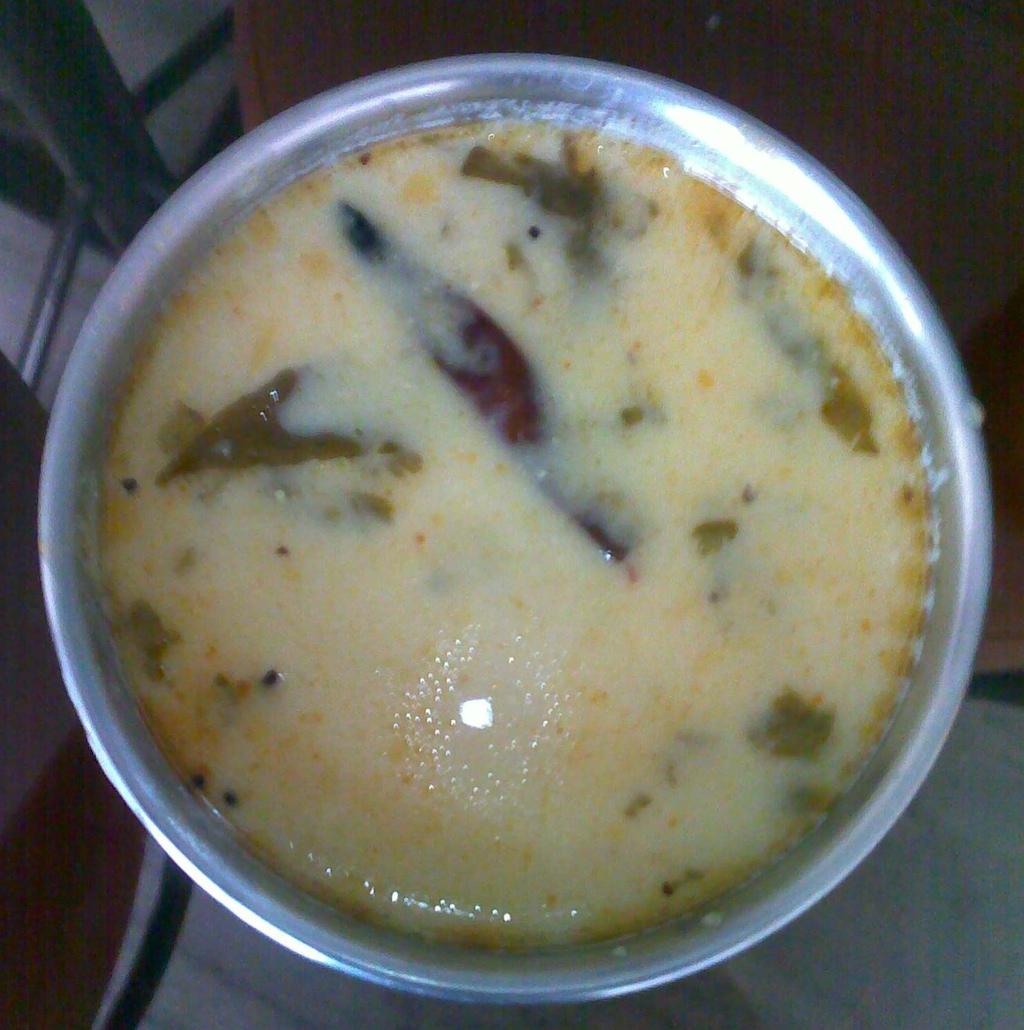 KadhiYogurt and gram flour soup, often with fritters, from Rajasthan
 Dal makhaniCreamy black lentils slow-cooked with butter and spices
 ChapatiUnleavened flatbread cooked on a griddle and served hot with meals
Sources and further reading
Original text by the Thali desk, written with AI assistance and checked against the sources above. Customs vary from place to place. If we have something wrong, tell us.
Photo credits on this page
The small pictures above come from Wikimedia Commons under free licences. Some are cropped to fit.
- Chapati: Roland zh, CC BY-SA 3.0, source
- Kheer: stu spivack, CC BY-SA 2.0, source
- Karah Parshad: Jasleen Kaur, CC BY-SA 2.0, source
- Dal makhani: Charles Haynes, CC BY-SA 2.0, source
- Dal: Bhaskaranaidu, CC BY-SA 3.0, source
- Roti: HridoyKundu, CC BY-SA 4.0, source
- Kadhi: Mowglee, Public domain, source