🇹🇼 The food of Taiwan
48 dishes from Taiwan, best known first, across 6 cities and regions.
Taiwanese cooking blends influences from indigenous peoples, southern Fujian, Hakka, Japanese, and later Chinese migrants. Its food stands out for its vibrant night markets, inventive use of local produce, and a balance of rice, seafood, pork, and bold seasonings. Vegetarian dishes are widespread, shaped by both religion and modern trends.
- Night markets are central to Taiwanese food culture.
- Milkfish is a favored and versatile local fish.
- Vegetarian food is common due to religious and modern influences.
- Japanese rule introduced short-grained rice and new dishes.
- Xiaochi snacks are a signature feature, often enjoyed at night markets.
The cooking of Taiwan
Taiwanese cuisine is shaped by waves of migration and colonization, resulting in a mix of indigenous, southern Chinese (especially Fujian and Hakka), Japanese, and later mainland Chinese influences. The island’s food culture is lively, with night markets central to daily life and a strong tradition of street snacks known as xiaochi. Flavors are robust, often built on soy, rice wine, sesame oil, pickled vegetables, and distinctive spice blends like five-spice powder. Seafood is abundant, and grilling and stir-frying are common techniques. Japanese rule introduced new rice varieties and dishes, while American food aid after WWII brought wheat and processed meats into the diet. Vegetarian food is prominent, reflecting Buddhist and other religious practices as well as modern concerns.
Staple foods in Taiwan
Rice, especially the short-grained japonica type, is a foundation of most meals, though wheat-based foods like noodles and dumplings have become more common. Pork, chicken, and seafood—particularly milkfish—are key proteins, while beef is less central. Fresh tropical fruits and vegetables are widely available. Seasonings include soy sauce, rice wine, sesame oil, pickled greens, and local basil. Sugar is used more than in many neighboring cuisines.
Snacks and street food in Taiwan
Xiaochi, or substantial snacks, are a highlight of Taiwanese food culture and are most often found in night markets. These include a wide range of small dishes, often grilled or stir-fried, and can be enjoyed as a casual meal or in more upscale settings. Each night market is known for its own specialties, and the government actively promotes these snacks.
From region to region in Taiwan
Taiwan’s food varies by region, reflecting local produce and historical influences. Southern Fujianese flavors dominate mainstream cooking, but Hakka and indigenous traditions remain strong in some areas. Japanese influence is more pronounced in certain dishes and rice varieties. Night market specialties and xiaochi can differ widely from city to city, giving each region its own culinary identity.
The facts in this overview come from the Wikipedia article "Taiwanese cuisine", written by its contributors and used under the CC BY-SA 4.0 licence. Thali rewrote the text in its own words, with AI assistance, and compares every page with the article to make sure no passage is copied. It may be reused under the same CC BY-SA 4.0 licence with a link back.
Cities and regions of Taiwan
 Lei chaVegan擂茶
🇨🇳 China and 3 moreA Hakka tea-based drink or soup made with ground tea, nuts, seeds and grains
Drink
Lei chaVegan擂茶
🇨🇳 China and 3 moreA Hakka tea-based drink or soup made with ground tea, nuts, seeds and grains
Drink
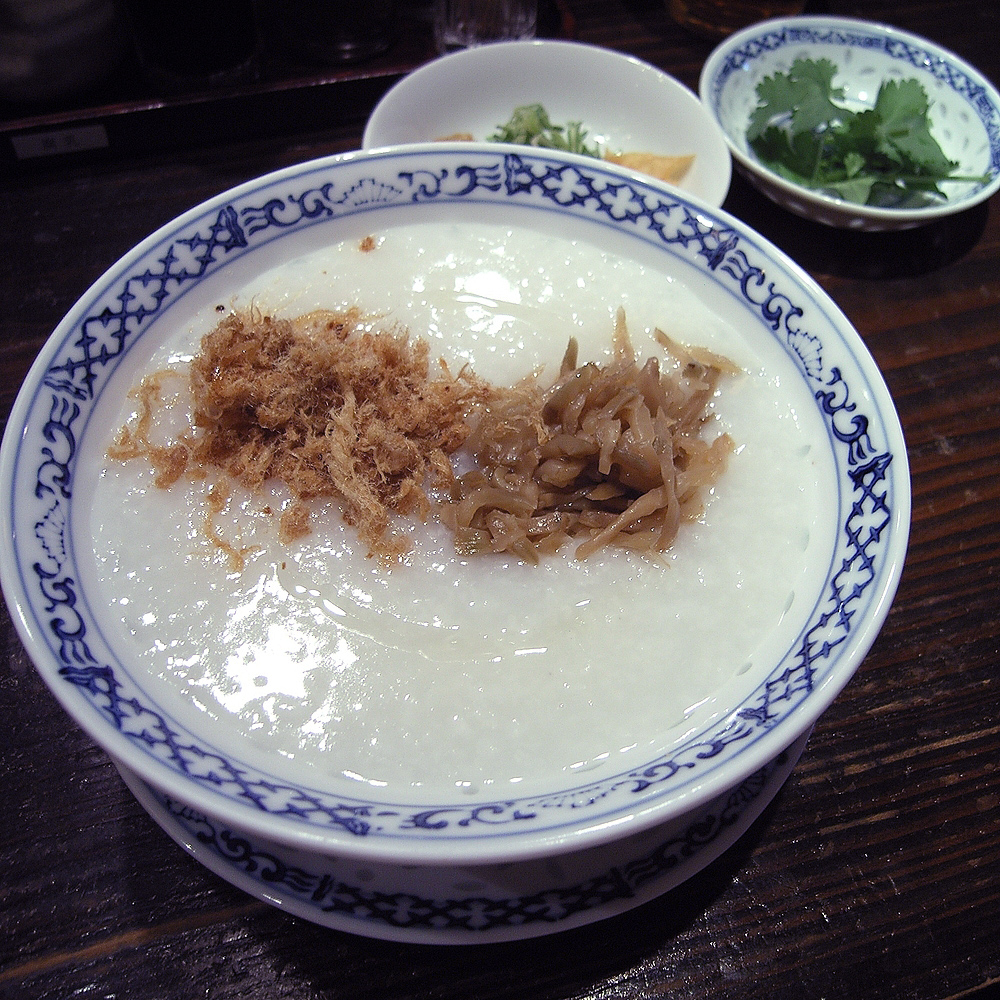 Congee粥
🇨🇳 China and 5 moreRice simmered in water to make a soft, comforting porridge
Main dish, Breakfast, Dinner
Congee粥
🇨🇳 China and 5 moreRice simmered in water to make a soft, comforting porridge
Main dish, Breakfast, Dinner
 Shabu-shabuしゃぶしゃぶ
🇯🇵 Japan and 4 moreJapanese hot pot where diners cook thin meat and vegetables at the table
Main dish, Dinner, Lunch
Shabu-shabuしゃぶしゃぶ
🇯🇵 Japan and 4 moreJapanese hot pot where diners cook thin meat and vegetables at the table
Main dish, Dinner, Lunch
 Hot pot火鍋
🇨🇳 China and 5 moreSimmering broth at the table for cooking meats, vegetables and more as you eat
Main dish, Dinner, Lunch
Hot pot火鍋
🇨🇳 China and 5 moreSimmering broth at the table for cooking meats, vegetables and more as you eat
Main dish, Dinner, Lunch
 Odenおでん
🇯🇵 Japan and 3 moreJapanese one-pot dish of assorted items simmered in soy-flavored dashi broth
Soup, Dinner, Lunch
Odenおでん
🇯🇵 Japan and 3 moreJapanese one-pot dish of assorted items simmered in soy-flavored dashi broth
Soup, Dinner, Lunch
 Misua麵線
🇨🇳 China and 5 moreVery thin wheat noodles common in China, Taiwan, and Southeast Asia
Noodle or pasta dish, Lunch, Dinner
Misua麵線
🇨🇳 China and 5 moreVery thin wheat noodles common in China, Taiwan, and Southeast Asia
Noodle or pasta dish, Lunch, Dinner
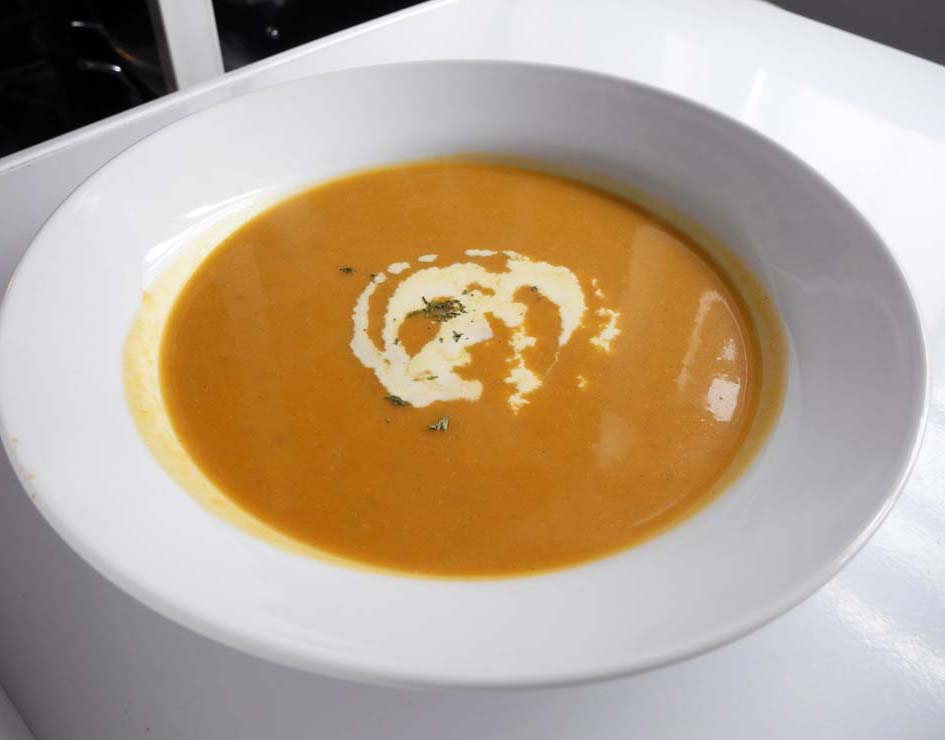 Peanut soup
🇬🇭 Ghana and 5 moreA rich, spicy soup made from peanuts, common in West African cooking
Soup, Lunch, Dinner
Peanut soup
🇬🇭 Ghana and 5 moreA rich, spicy soup made from peanuts, common in West African cooking
Soup, Lunch, Dinner
 Buddha Jumps Over the WallMeat佛跳牆
🇨🇳 China and 4 moreA lavish Fujian soup with seafood, meat and rare delicacies
Soup, Dinner
Buddha Jumps Over the WallMeat佛跳牆
🇨🇳 China and 4 moreA lavish Fujian soup with seafood, meat and rare delicacies
Soup, Dinner
 Beef noodle soupMeat
🇨🇳 China and 5 moreNoodles in beef broth with stewed or braised beef, eaten across East and Southeast Asia
Soup, Lunch, Dinner
Beef noodle soupMeat
🇨🇳 China and 5 moreNoodles in beef broth with stewed or braised beef, eaten across East and Southeast Asia
Soup, Lunch, Dinner
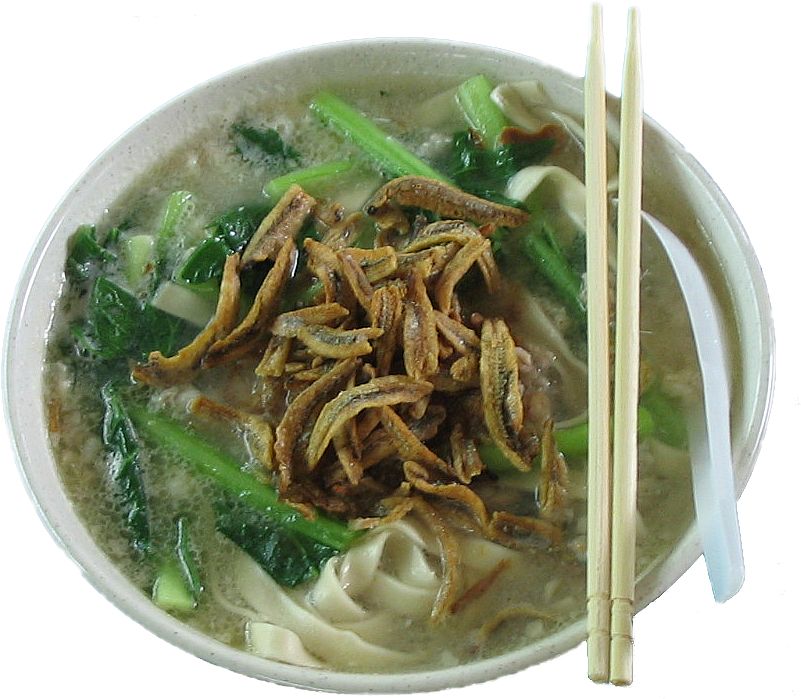 Banmian板麵
🇨🇳 China and 3 moreHandmade Chinese noodles in soup, often with anchovies, meat and leafy greens
Main dish, Lunch, Dinner
Banmian板麵
🇨🇳 China and 3 moreHandmade Chinese noodles in soup, often with anchovies, meat and leafy greens
Main dish, Lunch, Dinner
Photo credits on this page
The small pictures above come from Wikimedia Commons under free licences. Some are cropped to fit.
- Beef noodle soup: Takeaway, CC BY-SA 3.0, source
- Hot pot: Chensiyuan at English Wikipedia, CC BY-SA 3.0, source
- Lei cha: Ren Kuo, CC BY 2.0, source
- Shabu-shabu: Don Ramey Logan, CC BY-SA 4.0, source
- Oden: Hykw-a4, CC BY-SA 3.0, source
- Congee: Daiju Azuma, CC BY-SA 2.5, source
- Banmian: Goh Wei Zhong ( Goh wz ); produced with the assistance of Terence Ong, CC BY 2.5, source
- Misua: bryan..., CC BY-SA 2.0, source
- Peanut soup: Derick Asamani, CC BY-SA 4.0, source
- Buddha Jumps Over the Wall: SunSuke (さんすけ), CC BY-SA 2.5, source