🇺🇾 The food of Uruguay
21 dishes from Uruguay, best known first, across 4 cities and regions.
Uruguayan cooking blends Mediterranean and European traditions, shaped by waves of immigration rather than native foods. Beef and other meats are central, with grilling, boiling, and roasting as favored techniques. Italian pastas, Spanish stews, and German pastries all have local twists, making Uruguay’s food distinctively hearty and diverse.
- Beef is the mainstay of most meals.
- Yerba mate is the only major native ingredient.
- Caruso sauce is a Uruguayan invention for pasta.
- Picada platters start many gatherings.
- Dulce de leche fills many local pastries.
The cooking of Uruguay
Uruguayan food draws heavily from Spanish, Italian, Portuguese, and French influences, with later additions from German and Scottish immigrants. The cuisine centers on meat, especially beef, with chicken, pork, and lamb also common. Grilling and roasting are traditional, though frying has become popular. Pasta dishes, stews, and pastries reflect the country’s immigrant history. Native ingredients are rare except for yerba mate, a herbal drink. Sauces like chimichurri and Caruso, and sweets such as dulce de leche, show how European roots have been adapted locally.
Staple foods in Uruguay
Beef is the foundation of most meals, joined by chicken, pork, and lamb. Bread is eaten with nearly every dish. Pasta, especially varieties like ravioli and gnocchi, is widespread. Potatoes, rice, and salads often accompany main courses. Dulce de leche and membrillo (quince jam) are staple sweets. Yerba mate is the main native ingredient, used for a traditional herbal drink.
Snacks and street food in Uruguay
Popular snacks include picada, a platter with cheese, olives, cured meats, and bread, often served before a barbecue. Matambre relleno (stuffed flank steak) and lengua a la vinagreta (beef tongue in vinaigrette) are common cold starters. Street food features frankfurters with spicy sauces, and pastries like medialunas (croissants) and bolas de fraile (fried dough balls) are widely enjoyed.
Sweets and drinks in Uruguay
Dulce de leche is used in many desserts and pastries. Churros, sometimes filled with dulce de leche, and alfajores (sandwich cookies) are popular. Bizcochos, including croissants and other pastries, often have German roots. Drinks include yerba mate, grappa, caña, and blends like medio y medio (wine and sparkling wine). Fortified wines and sangria are also enjoyed.
From region to region in Uruguay
While the core of Uruguayan food is consistent across the country, regional fruits like butia and pitanga are used to flavor local spirits. Some bushmeat, such as mulitas and carpinchos, appears in rural areas. Coastal regions feature more fish dishes, often prepared with Spanish or Portuguese techniques like escabeche (marinating in oil and vinegar).
The facts in this overview come from the Wikipedia article "Uruguayan cuisine", written by its contributors and used under the CC BY-SA 4.0 licence. Thali rewrote the text in its own words, with AI assistance, and compares every page with the article to make sure no passage is copied. It may be reused under the same CC BY-SA 4.0 licence with a link back.
Cities and regions of Uruguay
 ChunchulloMeat
🇦🇷 Argentina and 5 moreBraided and roasted small intestine, a grill favorite in Latin America
Main dish, Lunch, Dinner
ChunchulloMeat
🇦🇷 Argentina and 5 moreBraided and roasted small intestine, a grill favorite in Latin America
Main dish, Lunch, Dinner
 Dulce de lecheVegetarian
🇦🇷 Argentina and 2 moreA sweet, spreadable milk and sugar confection from Latin America
Sweet or dessert, Snacks, Tea time
Dulce de lecheVegetarian
🇦🇷 Argentina and 2 moreA sweet, spreadable milk and sugar confection from Latin America
Sweet or dessert, Snacks, Tea time
 Corned beefMeat
🇮🇪 Ireland and 5 moreSalt-cured beef, often pink, eaten fresh or canned in many countries
Main dish, Breakfast, Lunch
Corned beefMeat
🇮🇪 Ireland and 5 moreSalt-cured beef, often pink, eaten fresh or canned in many countries
Main dish, Breakfast, Lunch
 Alfajor
🇦🇷 Argentina and 4 moreSweet biscuits or pastry joined with a filling, often dulce de leche or honey and nuts
Sweet or dessert, Snacks
Alfajor
🇦🇷 Argentina and 4 moreSweet biscuits or pastry joined with a filling, often dulce de leche or honey and nuts
Sweet or dessert, Snacks
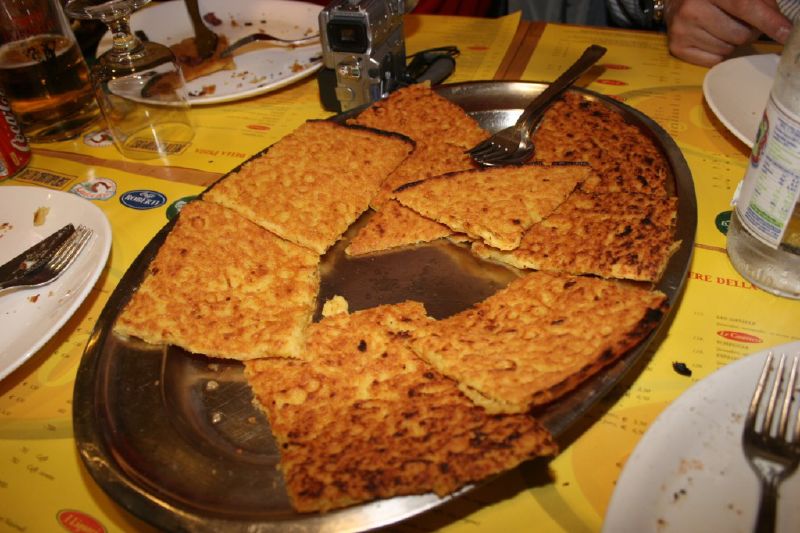 FarinataVegan
🇮🇹 Italy and 4 moreThin, savoury pancake made from chickpea flour, common along the northwest Mediterranean
Street food, Snacks, Lunch
FarinataVegan
🇮🇹 Italy and 4 moreThin, savoury pancake made from chickpea flour, common along the northwest Mediterranean
Street food, Snacks, Lunch
 BotifarraMeat
🇪🇸 Spain and 6 moreA family of pork sausages central to Catalan and Latin American cooking
Sausage or cured food, Lunch, Dinner
BotifarraMeat
🇪🇸 Spain and 6 moreA family of pork sausages central to Catalan and Latin American cooking
Sausage or cured food, Lunch, Dinner
 Sopaipilla
🇨🇱 Chile and 5 moreFried wheat dough pastry enjoyed sweet or savory across the Americas
Pie or savoury pastry, Snacks, Breakfast
Sopaipilla
🇨🇱 Chile and 5 moreFried wheat dough pastry enjoyed sweet or savory across the Americas
Pie or savoury pastry, Snacks, Breakfast
 ChoripánMeat
🇦🇷 Argentina and 5 moreGrilled chorizo sausage in crusty bread, often topped with sauce
Sandwich or wrap, Snacks, Lunch
ChoripánMeat
🇦🇷 Argentina and 5 moreGrilled chorizo sausage in crusty bread, often topped with sauce
Sandwich or wrap, Snacks, Lunch
 Longaniza
🇪🇸 Spain and 5 moreA seasoned sausage with many regional styles across Spain, Latin America, and the Philippines
Sausage or cured food, Breakfast, Lunch
Longaniza
🇪🇸 Spain and 5 moreA seasoned sausage with many regional styles across Spain, Latin America, and the Philippines
Sausage or cured food, Breakfast, Lunch
Photo credits on this page
The small pictures above come from Wikimedia Commons under free licences. Some are cropped to fit.
- Alfajor: קרלוס הגדול, CC BY-SA 3.0, source
- Dulce de leche: audinou, CC BY 2.0, source
- Choripán: Horacio Cambeiro, CC BY 3.0, source
- Corned beef: BrokenSphere, CC BY-SA 3.0, source
- Chunchullo: Sebastian Bassi, CC BY 2.0, source
- Farinata: Samuele Silva, CC BY-SA 2.0, source
- Botifarra: Javier Lastras, CC BY 2.0, source
- Sopaipilla: Popo le Chien, CC0, source
- Longaniza: Koffermejia, CC BY-SA 4.0, source