
Chè
Vietnamese sweet soups and puddings made with beans, fruit, tubers or jellies
Chè is a broad category of Vietnamese sweet soups, puddings, and drinks, made from beans, tubers, fruit, jellies, and sometimes dumplings. Served hot or cold, chè is enjoyed across Vietnam as a dessert or snack, both at home and from street vendors or shops.
- Chè covers dozens of sweet soups and puddings in Vietnam
- It can be made with beans, tubers, fruit, jellies or dumplings
- Served hot, warm or cold, often with coconut cream
- Sold by street vendors and in grocery stores across Vietnam
- Some types are made for festivals or ancestor offerings
What is Chè?
Chè refers to a wide range of Vietnamese sweet soups, puddings, and drinks. The main ingredients can include beans (such as mung, red, or black-eyed peas), tubers (like taro or sweet potato), fruit (mango, longan, banana, durian), jellies, and glutinous rice. Some versions have dumplings or are thickened with tapioca. Chè can be clear or creamy, depending on whether coconut cream is added. It is often colorful, with layers or pieces of different ingredients, and may be topped with coconut cream, especially in the south. The taste is sweet, sometimes with a hint of salt or ginger.
Where does Chè come from?
Chè is a traditional part of Vietnamese cuisine, with countless varieties across the country. Its origins are not tied to a single place or time, but it has developed as a popular dessert and snack over generations. Some types, like chè đậu ngự and chè đậu ván, are specialties from Huế, once the imperial capital. The dish reflects the local produce and creativity of Vietnamese cooks, and new versions continue to appear. In the north, the word 'chè' can also mean tea, but in most of Vietnam, it refers to these sweet dishes.
How is Chè made?
To make chè, cooks simmer beans, tubers, or fruit with water and sugar until soft. Some types add coconut cream for richness, or thicken the soup with tapioca or rice flour. Jellies, made from agar or grass jelly, are sometimes cut into pieces and mixed in. Dumplings made from glutinous rice flour may be filled with sweet bean paste or left plain. Chè is assembled in bowls or glasses, often with layers of different ingredients, and can be served hot, warm, or over ice.


How and when is Chè eaten?
Chè is eaten as a dessert or snack, at home or bought from street vendors and shops. It is served in bowls with a spoon or in plastic cups and glasses, especially when cold. People enjoy it after meals, in the afternoon, or as a treat on hot days. In southern Vietnam, coconut cream is a common garnish. Some types, like chè trôi nước, are made for festivals or ancestor offerings, but most are everyday sweets.
Kinds of Chè
There are many types of chè, each named for its main ingredient or style. Some popular kinds are chè đậu đen (black bean), chè đậu đỏ (red bean), chè ba màu (three-color), chè thập cẩm (mixed), chè chuối (banana), and chè trôi nước (glutinous rice dumplings). Some versions are clear and light, others thick and creamy. There are also savory chè with ingredients like sausage or egg, though these are less common. Regional differences appear in the choice of beans, fruits, and toppings.
What Chè means
Chè is woven into daily life and celebrations in Vietnam. It is a common street food and a homemade treat. Certain varieties are linked to festivals or ancestor worship, such as chè con ong at Tết. The dish showcases the diversity of Vietnamese sweets, and its many forms reflect local tastes and ingredients. Chè is also adapted from or similar to sweet soups in neighboring countries, showing cultural exchange.
Questions people ask about Chè
What is chè made of?
Chè can be made from beans, tubers, fruit, jellies, glutinous rice, sugar, and sometimes coconut cream or tapioca. Each variety uses different main ingredients.
Where does chè come from?
Chè is from Vietnam and is found throughout the country, with many regional varieties and specialties.
Is chè served hot or cold?
Chè can be served hot, warm, or cold, depending on the type and the weather. Some are traditionally eaten warm, while others are popular over ice.
Is chè always vegetarian?
Most chè is vegetarian or even vegan, but some savory versions include ingredients like egg or sausage. The diet depends on the specific type.
How is chè eaten?
Chè is eaten as a dessert or snack, usually with a spoon from a bowl or cup. Cold chè is often served in plastic cups or glasses.
Good reading and sources
The facts on this page come from the Wikipedia article "Chè", written by its contributors and used under the CC BY-SA 4.0 licence, and from its Wikidata record (CC0). Thali rewrote the text in its own words, with AI assistance, and compares every page with the article to make sure no passage is copied. It may be reused under the same CC BY-SA 4.0 licence with a link back.
It may contain mistakes, and it is not dietary or allergy advice: recipes differ from cook to cook. If something is wrong, tell us. Last refreshed 2026-10-03.
More from Vietnam
All the food of Vietnam CoffeeVegan
🇾🇪 Yemen and 5 moreA dark, bitter drink made by brewing roasted coffee beans
Drink, Breakfast, Snacks
CoffeeVegan
🇾🇪 Yemen and 5 moreA dark, bitter drink made by brewing roasted coffee beans
Drink, Breakfast, Snacks
 Iced teaVegan
🇺🇸 United States and 5 moreChilled tea served over ice, sometimes sweetened or flavored with fruit
Drink, Lunch, Dinner
Iced teaVegan
🇺🇸 United States and 5 moreChilled tea served over ice, sometimes sweetened or flavored with fruit
Drink, Lunch, Dinner
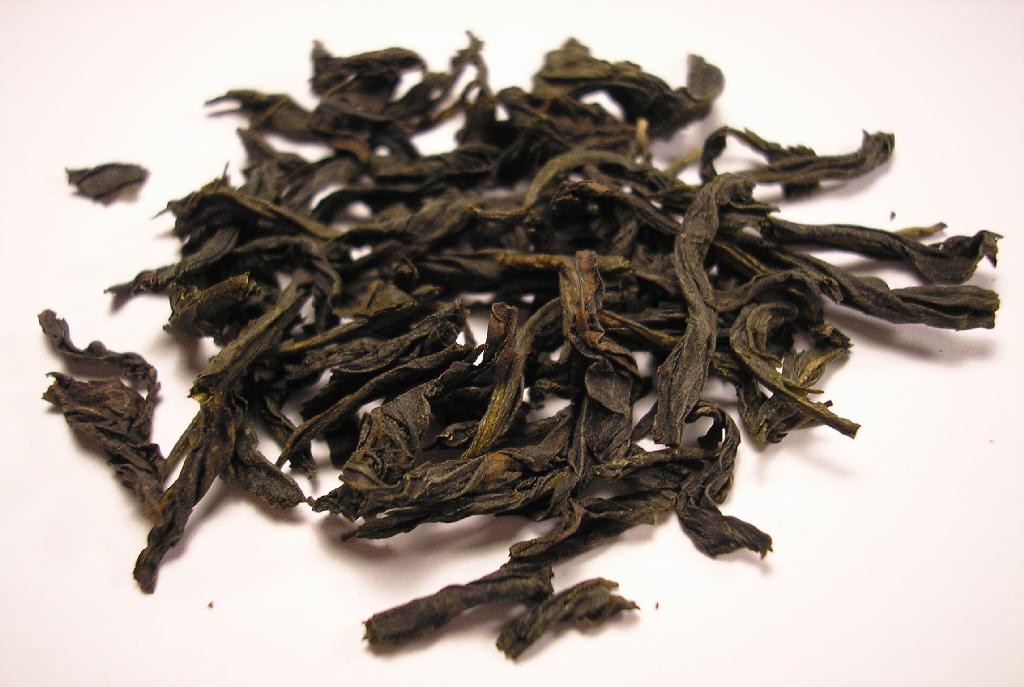 OolongVegan烏龍茶
🇨🇳 China and 3 moreA semi-oxidized Chinese tea with a wide range of flavors and aromas
Drink
OolongVegan烏龍茶
🇨🇳 China and 3 moreA semi-oxidized Chinese tea with a wide range of flavors and aromas
Drink
 Mooncake月饼 / 月餅
🇨🇳 China and 5 moreA round Chinese pastry with sweet or nutty filling, eaten at the Mid-Autumn Festival
Pie or savoury pastry, Tea time, Snacks
Mooncake月饼 / 月餅
🇨🇳 China and 5 moreA round Chinese pastry with sweet or nutty filling, eaten at the Mid-Autumn Festival
Pie or savoury pastry, Tea time, Snacks
Its cousins elsewhere
All sweets and desserts Pie
🇬🇧 United Kingdom and 5 moreA baked dish with a pastry crust and sweet or savoury filling
Main dish, Lunch, Dinner
Pie
🇬🇧 United Kingdom and 5 moreA baked dish with a pastry crust and sweet or savoury filling
Main dish, Lunch, Dinner
 PavlovaVegetarian
🇳🇿 New Zealand and 1 moreMeringue dessert with a crisp shell, soft centre, and fruit and cream topping
Sweet or dessert
PavlovaVegetarian
🇳🇿 New Zealand and 1 moreMeringue dessert with a crisp shell, soft centre, and fruit and cream topping
Sweet or dessert
 Buñuelo
🇪🇸 Spain and 5 moreCrisp or fluffy fried dough, sweet or savory, enjoyed across Spain and Latin America
Sweet or dessert, Snacks, Breakfast
Buñuelo
🇪🇸 Spain and 5 moreCrisp or fluffy fried dough, sweet or savory, enjoyed across Spain and Latin America
Sweet or dessert, Snacks, Breakfast
 Coca
🇪🇸 Spain and 3 moreCatalan pastry with sweet or savoury toppings, eaten open or filled
Pie or savoury pastry
Coca
🇪🇸 Spain and 3 moreCatalan pastry with sweet or savoury toppings, eaten open or filled
Pie or savoury pastry