
Baghrir
In its own language: البغرير
Spongy semolina pancakes from the Maghreb, full of tiny holes for soaking up sauces
Baghrir are small, spongy pancakes from Algeria, Morocco, and Tunisia, made mainly with semolina or flour. Their surface is covered in tiny holes, which help them absorb honey-butter or jam. Eaten at breakfast, as a snack, or during Ramadan iftar, they are sometimes exchanged as gifts or given to the poor.
- Baghrir is covered in tiny holes that soak up honey-butter or jam
- It is made mainly from semolina or flour
- Popular for breakfast, snacks, and during Ramadan iftar
- Mozabite people exchange baghrir as gifts on the 9th day of Ramadan
What is Baghrir?
Baghrir are pancakes known for their soft, spongy texture and a surface marked with many tiny holes. These holes form as they cook, making them ideal for soaking up liquids like honey-butter or jam. The batter is based on semolina or sometimes flour, and raisins may be added. Baghrir are usually small and round. Their mild flavor and absorbent texture make them a comforting food, especially when served warm with sweet toppings.
Where does Baghrir come from?
Baghrir comes from the Maghreb region of North Africa, especially Algeria, Morocco, and Tunisia. The many names for this pancake, such as ghrayef and kh'ringu, reflect its deep roots and regional variations across the area. The word 'baghrir' is thought to come from Maghrebi Arabic, possibly linked to a term meaning 'to drink without quenching thirst,' a nod to the pancake's ability to soak up sauces. The tradition of making and sharing baghrir is well established in local culture.
How is Baghrir made?
To make baghrir, a batter is prepared from semolina or flour, sometimes with raisins mixed in. The batter is poured onto a hot surface and cooked on one side only. As it cooks, bubbles form and burst, leaving the top covered in small holes. This gives baghrir its signature look and texture. The pancakes are not flipped, so the bottom is golden while the top remains pale and spongy.
How and when is Baghrir eaten?
Baghrir is commonly eaten for breakfast or as a snack. In Algeria and Morocco, it is often dipped in a mixture of honey and butter, which fills the holes and soaks into the pancake. Sometimes it is cut into wedges and served with jam. During Ramadan, baghrir is a popular choice for iftar, the meal that breaks the daily fast. Among the Mozabite people of Algeria, baghrir (called m'layin) is exchanged on the 9th day of Ramadan and given to the poor.
Kinds of Baghrir
Baghrir goes by several names depending on the region, such as ghrayef, mchahda, and kh'ringu. While semolina is the main ingredient, some versions use flour or add raisins. The size and thickness may vary, but the spongy texture and holes are always present. Traditions around baghrir also differ, with some communities exchanging them as gifts during Ramadan.
What Baghrir means
Baghrir is more than just a food; it is woven into daily life and special occasions in the Maghreb. Its role in Ramadan, especially in Algeria where it is exchanged and given to the poor, shows its importance in religious and communal traditions. The many local names and customs reflect a long and rich history, making baghrir a symbol of hospitality and sharing.
When Baghrir is on the table
Questions people ask about Baghrir
What is baghrir made of?
Baghrir is made from a batter of semolina or flour, and sometimes raisins are added. The batter is cooked on one side to create a spongy pancake full of small holes.
Where does baghrir come from?
Baghrir comes from the Maghreb region of North Africa, especially Algeria, Morocco, and Tunisia. It is a traditional food in these countries.
How is baghrir usually eaten?
Baghrir is most often dipped in a honey-butter mixture or served with jam. It is eaten for breakfast, as a snack, or during iftar in Ramadan.
Why does baghrir have holes?
The holes form as the pancake cooks, allowing it to absorb sauces and toppings. This makes baghrir especially good at soaking up honey-butter or jam.
Is baghrir connected to any festivals or traditions?
Yes, baghrir is popular during Ramadan, especially for iftar. Among the Mozabite people in Algeria, it is exchanged and given to the poor on the 9th day of Ramadan.
Good reading and sources
The facts on this page come from the Wikipedia article "Baghrir", written by its contributors and used under the CC BY-SA 4.0 licence, and from its Wikidata record (CC0). Thali rewrote the text in its own words, with AI assistance, and compares every page with the article to make sure no passage is copied. It may be reused under the same CC BY-SA 4.0 licence with a link back.
It may contain mistakes, and it is not dietary or allergy advice: recipes differ from cook to cook. If something is wrong, tell us. Last refreshed 2026-10-03.
More from Algeria
All the food of Algeria BaguetteVegan
🇫🇷 France and 5 moreLong, thin French bread with a crisp crust and soft interior
Bread, Breakfast, Lunch
BaguetteVegan
🇫🇷 France and 5 moreLong, thin French bread with a crisp crust and soft interior
Bread, Breakfast, Lunch
 JalebiVegetarian
🇮🇳 India and 6 moreDeep-fried spirals of batter soaked in syrup, enjoyed across Asia and Africa
Pie or savoury pastry, Breakfast, Snacks
JalebiVegetarian
🇮🇳 India and 6 moreDeep-fried spirals of batter soaked in syrup, enjoyed across Asia and Africa
Pie or savoury pastry, Breakfast, Snacks
 SharbatVeganشربت
🇮🇷 Iran and 5 moreSweet fruit or flower drink, served chilled or as a syrup
Drink, Snacks
SharbatVeganشربت
🇮🇷 Iran and 5 moreSweet fruit or flower drink, served chilled or as a syrup
Drink, Snacks
 KisraVegan
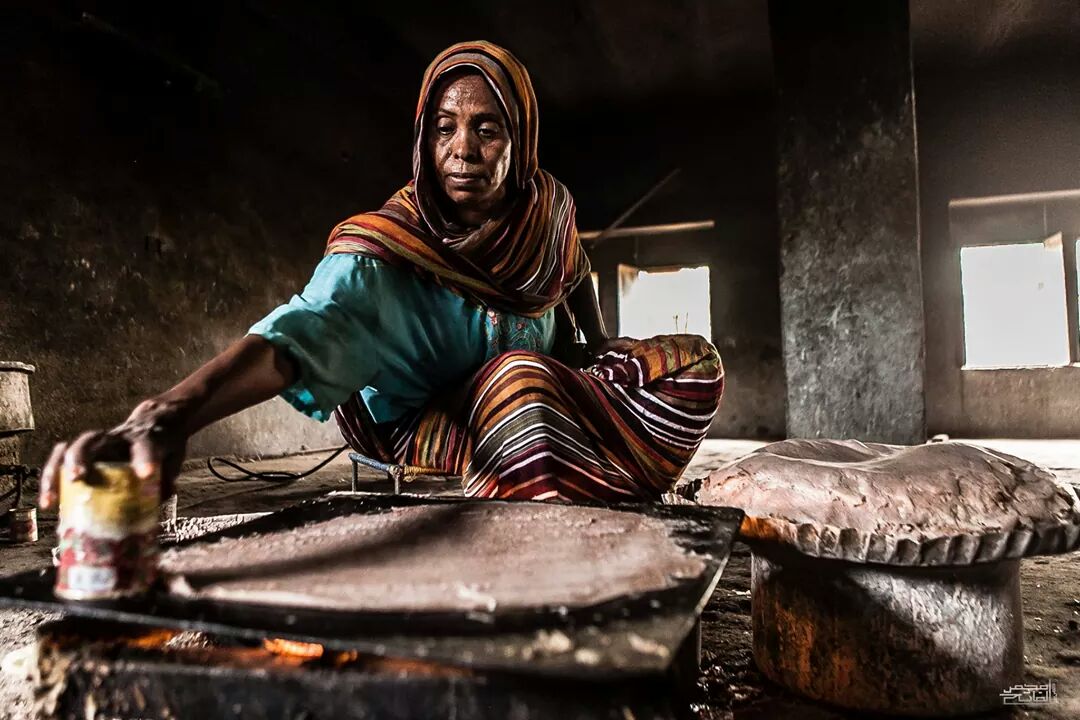
🇸🇩 Sudan and 5 moreA thin, fermented sorghum flatbread from Sudan and neighboring countries
Bread
KisraVegan
🇸🇩 Sudan and 5 moreA thin, fermented sorghum flatbread from Sudan and neighboring countries
Bread
Its cousins elsewhere
All breads PanettoneVegetarian
🇮🇹 Italy and 2 moreTall, sweet Italian bread with candied fruit, eaten at Christmas and New Year
Sweet or dessert, Breakfast, Tea time
PanettoneVegetarian
🇮🇹 Italy and 2 moreTall, sweet Italian bread with candied fruit, eaten at Christmas and New Year
Sweet or dessert, Breakfast, Tea time
 PretzelVegetarian
🇩🇪 Germany and 4 moreA baked knot-shaped bread, often topped with salt or seeds
Bread, Snacks
PretzelVegetarian
🇩🇪 Germany and 4 moreA baked knot-shaped bread, often topped with salt or seeds
Bread, Snacks
 Roti canaiரொட்டி சென்னை
🇲🇾 Malaysia and 5 moreUnleavened flatbread tossed thin and cooked until crisp, served with curry or dal
Bread, Breakfast, Snacks
Roti canaiரொட்டி சென்னை
🇲🇾 Malaysia and 5 moreUnleavened flatbread tossed thin and cooked until crisp, served with curry or dal
Bread, Breakfast, Snacks
 Fry jackVegetarian
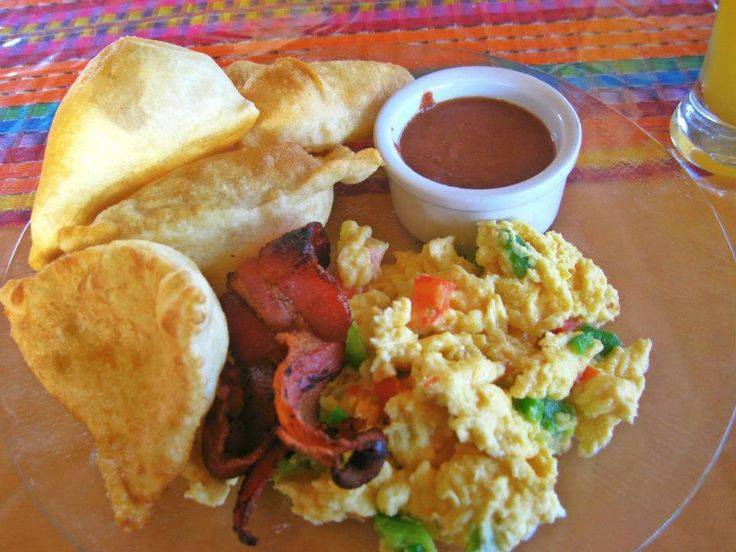
🇧🇿 BelizeDeep-fried breakfast dough from Belize, served plain or with sweet or savoury toppings
Bread, Breakfast
Fry jackVegetarian
🇧🇿 BelizeDeep-fried breakfast dough from Belize, served plain or with sweet or savoury toppings
Bread, Breakfast