
Baijiu
In its own language: 白酒
Clear Chinese spirit distilled from grain, with a range of aroma styles
Baijiu is a strong, clear spirit from China, usually made by distilling fermented sorghum or other grains. It ranges from 35% to 60% alcohol by volume and is classified by aroma, with styles like light, strong, sauce, and rice. Baijiu is traditionally served neat at meals and is central to many Chinese social and business occasions.
- Baijiu is the world's bestselling liquor by volume
- Alcohol content ranges from 35% to 60%
- Made mainly from sorghum, but other grains are used
- Classified by aroma: light, strong, sauce, and rice
- Central to Chinese banquets and business culture
What is Baijiu?
Baijiu is a clear, high-proof spirit distilled from grains, most often sorghum, but sometimes rice, glutinous rice, wheat, barley, millet, or job's tears. It is colorless and ranges from 35% to 60% alcohol by volume. The drink is known for its distinctive aroma and taste, which can be delicate, fruity, mellow, or bold, depending on the style. Baijiu is usually served neat in small glasses, and its fragrance is a key part of its appeal in Chinese culinary culture.
Where does Baijiu come from?
Baijiu’s roots go back to early alcohol making in China, with evidence from the Neolithic Age. Distillation techniques developed over centuries, with significant advances during the Han and Yuan dynasties. The drink as it is known today took shape in the Ming dynasty, when distillation matured. Baijiu’s production relies on solid-state fermentation with a starter called qū, a method typical of East Asian liquors. Its many regional styles reflect centuries of local adaptation and innovation.
How is Baijiu made?
To make baijiu, grains such as sorghum are fermented with a starter called qū, which is made from wheat or rice. The fermentation process happens in stone or mud pits, depending on the style. After fermentation, the mash is distilled to produce a clear spirit. The resulting liquor is often blended and aged, and sometimes infused with fruits, herbs, or spices for added flavor. Each aroma style uses its own combination of grains, fermentation vessels, and qū.


How and when is Baijiu eaten?
Baijiu is traditionally served at room temperature in small cups, usually alongside food. It is a central part of Chinese banquets, celebrations, and business meals. Drinking customs often involve toasts, with the host inviting guests to drink together, sometimes finishing the glass in one go after a toast. In modern times, baijiu is also used in cocktails, but its main role remains in social gatherings and festive occasions.
Kinds of Baijiu
Baijiu comes in several main aroma styles: light (delicate and floral), strong (fruity and mellow), sauce (bold and umami, reminiscent of fermented bean paste), and rice (mild and clean). Each region has its own famous brands and production methods. Some styles use only sorghum, while others blend different grains. There are also niche types, such as those infused with herbs or aged with pork fat, and mixed-aroma varieties that combine elements of different styles.
What Baijiu means
Baijiu is deeply woven into Chinese social life, from everyday meals to major festivals and weddings. It plays a key role in business culture, where drinking together is seen as a way to build trust. The spirit is also a popular gift, with some high-end bottles valued for their craftsmanship and rarity. Baijiu is the world’s most consumed liquor, with most of it enjoyed in China, but it is gaining recognition abroad.
Questions people ask about Baijiu
What is baijiu made from?
Baijiu is usually distilled from fermented sorghum, but some varieties use rice, glutinous rice, wheat, barley, millet, or job's tears. The fermentation uses a starter called qū made from wheat or rice.
Where does baijiu come from?
Baijiu originates from China, with a long history of alcohol making and distillation that dates back to ancient times. It is produced in many regions across the country, each with its own style.
How strong is baijiu?
Baijiu typically contains between 35% and 60% alcohol by volume, making it stronger than many other East Asian spirits such as shōchū or soju.
How is baijiu usually served?
Baijiu is traditionally served neat at room temperature in small glasses, often during meals or celebrations. Toasting and drinking together is an important part of the custom.
What are the main types of baijiu?
Baijiu is classified by aroma into styles such as light, strong, sauce, and rice. Each type has its own flavor profile and production method, reflecting regional traditions.
Good reading and sources
The facts on this page come from the Wikipedia article "Baijiu", written by its contributors and used under the CC BY-SA 4.0 licence, and from its Wikidata record (CC0). Thali rewrote the text in its own words, with AI assistance, and compares every page with the article to make sure no passage is copied. It may be reused under the same CC BY-SA 4.0 licence with a link back.
It may contain mistakes, and it is not dietary or allergy advice: recipes differ from cook to cook. If something is wrong, tell us. Last refreshed 2026-10-03.
More from China
All the food of China TeaVegan茶
🇨🇳 China and 5 moreA drink made by soaking tea leaves in hot or cold water
Drink
TeaVegan茶
🇨🇳 China and 5 moreA drink made by soaking tea leaves in hot or cold water
Drink
 KumisКымыз
🇲🇳 Mongolia and 4 moreFermented mare's milk drink from the Central Asian steppe
Drink
KumisКымыз
🇲🇳 Mongolia and 4 moreFermented mare's milk drink from the Central Asian steppe
Drink
 Bubble tea珍珠奶茶
🇹🇼 Taiwan and 5 moreSweet tea with chewy tapioca pearls, served hot or cold
Drink
Bubble tea珍珠奶茶
🇹🇼 Taiwan and 5 moreSweet tea with chewy tapioca pearls, served hot or cold
Drink
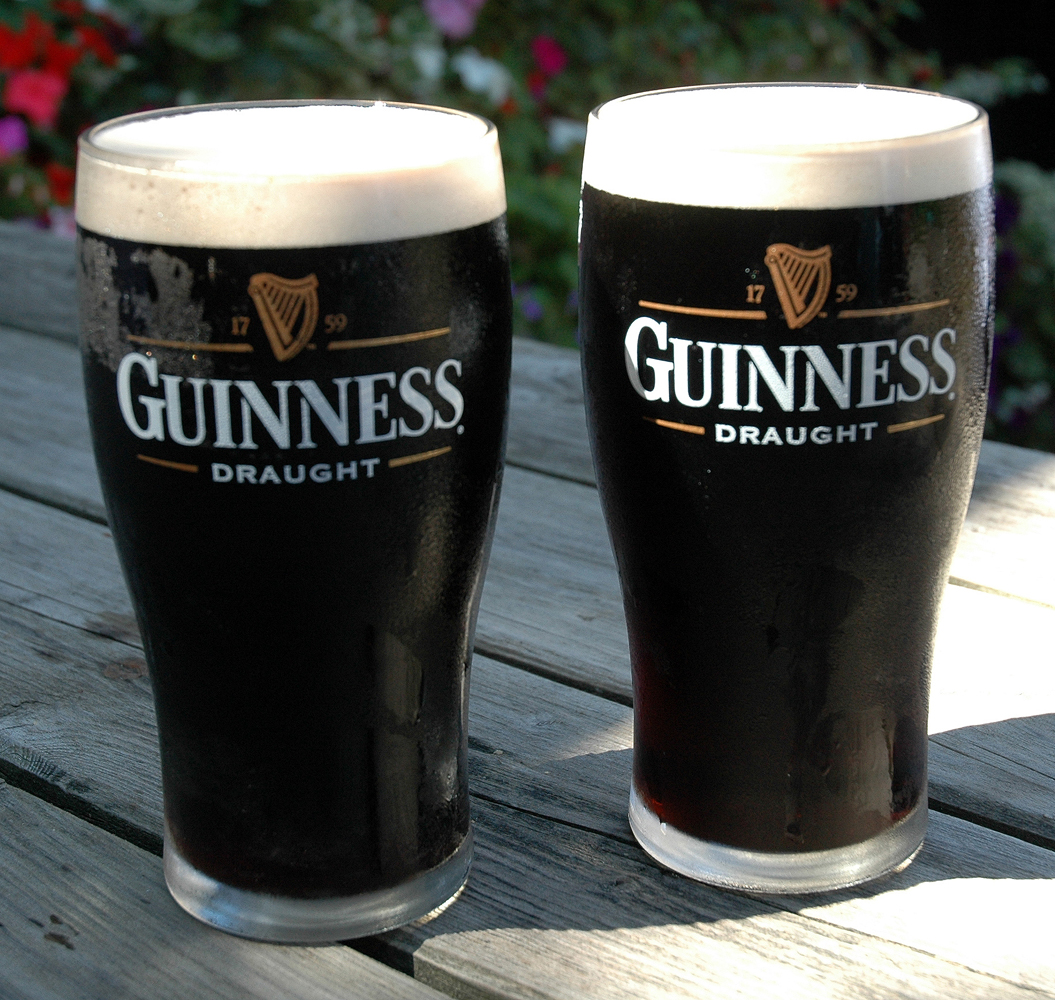 GuinnessVegan
🇮🇪 Ireland and 5 moreA dark Irish stout with a creamy head and dry, roasted flavour
Drink
GuinnessVegan
🇮🇪 Ireland and 5 moreA dark Irish stout with a creamy head and dry, roasted flavour
Drink
Its cousins elsewhere
All drinks TellaVeganጠላ
🇪🇹 Ethiopia and 2 moreEthiopian beer brewed from grains and local plants
Drink
TellaVeganጠላ
🇪🇹 Ethiopia and 2 moreEthiopian beer brewed from grains and local plants
Drink
 SiwaVeganሰዋ
🇪🇹 Ethiopia and 1 moreHome-brewed Ethiopian and Eritrean beer made from toasted bread and gesho leaves
Drink
SiwaVeganሰዋ
🇪🇹 Ethiopia and 1 moreHome-brewed Ethiopian and Eritrean beer made from toasted bread and gesho leaves
Drink
 PitoVegan
🇬🇭 Ghana and 1 moreA traditional West African beer brewed from millet or sorghum
Drink
PitoVegan
🇬🇭 Ghana and 1 moreA traditional West African beer brewed from millet or sorghum
Drink
 KunuVegan
🇳🇬 Nigeria and 1 moreA traditional Nigerian drink made from grains or tiger nuts
Drink, Snacks
KunuVegan
🇳🇬 Nigeria and 1 moreA traditional Nigerian drink made from grains or tiger nuts
Drink, Snacks