
Siwa
In its own language: ሰዋ
Home-brewed Ethiopian and Eritrean beer made from toasted bread and gesho leaves
Siwa is a traditional beer from Ethiopia and Eritrea, especially popular in the Tigray region. It is made by fermenting water, home-baked toasted flatbread (usually barley, sorghum, millet or maize), yeast, and dried gesho leaves. Siwa is served at social gatherings, after work, and in local beer houses called Inda Siwa.
- Siwa is brewed from toasted flatbread, water, yeast, and gesho leaves.
- It is served in clay cups or gourds, sometimes with bread pieces floating.
- Alcohol content ranges from 2% to 5%, with stronger and milder versions.
- Inda Siwa beer houses are central to social life in Tigray.
- Siwa is present at weddings, baptisms, and after farm work.
What is Siwa?
Siwa is a fermented beer, cloudy and often with bits of bread floating on top. It is made from water, a toasted flatbread (barley in the highlands, or sorghum, millet or maize in the lowlands), yeast, and dried gesho leaves, which act as a natural catalyst. The drink has a smoky taste from the toasted bread, and a mix of sour, bitter, and sweet notes. Alcohol content ranges from 2% to 5%. It is usually served in clay cups, gourds, or sometimes cattle horns.
Where does Siwa come from?
Siwa has deep roots in the Tigray region of Ethiopia and in Eritrea. Nearly every rural household in Tigray knows how to brew it, with women typically preparing it at home. The tradition of making siwa goes back generations, and it remains a central part of rural and urban social life. While industrial beers are now available, siwa continues to be valued for its role in community gatherings and its connection to local customs.
How is Siwa made?
To make siwa, a flatbread is baked and toasted, then broken up and mixed with water. Yeast is added, along with dried gesho leaves, which help the fermentation process. The mixture is left to ferment for several days. Once ready, it is poured into serving vessels, sometimes with pieces of bread still floating. The leftover coarse part, called atella, is often fed to cattle. The beer is stored in large clay vases called etriro, which help keep it fresh, especially in hotter areas.


How and when is Siwa eaten?
Siwa is drunk at social events, after manual work, and as a reward for farmers and laborers. It is served in local beer houses known as Inda Siwa, where people gather to drink, talk, and share snacks like roasted grains or germinated beans. Cups are filled to the brim and refilled before being emptied, reflecting the hospitality of the host. Siwa is also present at baptisms, weddings, graduations, and construction sites, marking both everyday and special occasions.
Kinds of Siwa
Meknen is a stronger version of siwa, sometimes called filter or tselim siwa, with higher alcohol content. Gu’esh is a milder, often secondary brew. In the highlands, korofieh is a light, doughy version eaten at breakfast. The drink is called talla in Amharic and farso in other local languages. While the basic method remains similar, the grain used can vary by region and elevation.
What Siwa means
Siwa is more than a drink; it is a core part of social and community life in Tigray and Eritrea. Inda Siwa beer houses are gathering places, often run by women, where people relax and connect. The tradition of serving siwa at major life events and during communal work highlights its importance. Despite competition from industrial beers, siwa remains a symbol of local identity and hospitality.
Questions people ask about Siwa
What is siwa made of?
Siwa is made from water, home-baked toasted flatbread (usually barley, sorghum, millet or maize), yeast, and dried gesho leaves, which help the fermentation.
Where does siwa come from?
Siwa originates from Ethiopia and Eritrea, especially in the Tigray region, where it is a traditional home-brewed beer.
How strong is siwa?
Siwa usually has an alcohol content between 2% and 5%. There are stronger versions called meknen, which can be 6% or more, and milder types like gu’esh.
How is siwa served?
Siwa is typically served in clay cups, gourds, or cattle horns. It is poured with pieces of bread sometimes floating on top, and is enjoyed in local beer houses or at social gatherings.
When is siwa usually drunk?
Siwa is drunk at social events, after manual work, and during celebrations like weddings and baptisms. It is also served as a reward for farmers and laborers.
Good reading and sources
The facts on this page come from the Wikipedia article "Siwa (beer)", written by its contributors and used under the CC BY-SA 4.0 licence, and from its Wikidata record (CC0). Thali rewrote the text in its own words, with AI assistance, and compares every page with the article to make sure no passage is copied. It may be reused under the same CC BY-SA 4.0 licence with a link back.
It may contain mistakes, and it is not dietary or allergy advice: recipes differ from cook to cook. If something is wrong, tell us. Last refreshed 2026-10-03.
More from Ethiopia
All the food of Ethiopia CoffeeVegan
🇾🇪 Yemen and 5 moreA dark, bitter drink made by brewing roasted coffee beans
Drink, Breakfast, Snacks
CoffeeVegan
🇾🇪 Yemen and 5 moreA dark, bitter drink made by brewing roasted coffee beans
Drink, Breakfast, Snacks
 TellaVeganጠላ
🇪🇹 Ethiopia and 2 moreEthiopian beer brewed from grains and local plants
Drink
TellaVeganጠላ
🇪🇹 Ethiopia and 2 moreEthiopian beer brewed from grains and local plants
Drink
 Coffee ceremonyVeganቡና ማፍላት
🇪🇹 Ethiopia and 1 moreA social ritual of roasting, brewing and sharing coffee in Ethiopia and Eritrea
Drink
Coffee ceremonyVeganቡና ማፍላት
🇪🇹 Ethiopia and 1 moreA social ritual of roasting, brewing and sharing coffee in Ethiopia and Eritrea
Drink
 Tej
🇪🇹 Ethiopia and 1 moreEthiopian and Eritrean honey wine fermented with gesho leaves
Drink
Tej
🇪🇹 Ethiopia and 1 moreEthiopian and Eritrean honey wine fermented with gesho leaves
Drink
Its cousins elsewhere
All drinks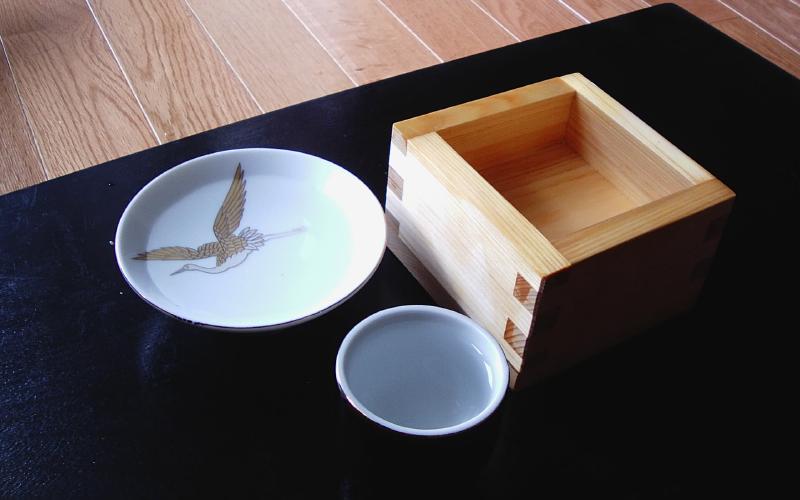 SakeVegan酒
🇯🇵 JapanJapanese alcoholic drink brewed from polished rice and kōji mold
Drink
SakeVegan酒
🇯🇵 JapanJapanese alcoholic drink brewed from polished rice and kōji mold
Drink
 KvassVeganквас
🇷🇺 Russia and 5 moreA tangy, slightly sweet fermented drink made from rye bread or flour
Drink
KvassVeganквас
🇷🇺 Russia and 5 moreA tangy, slightly sweet fermented drink made from rye bread or flour
Drink
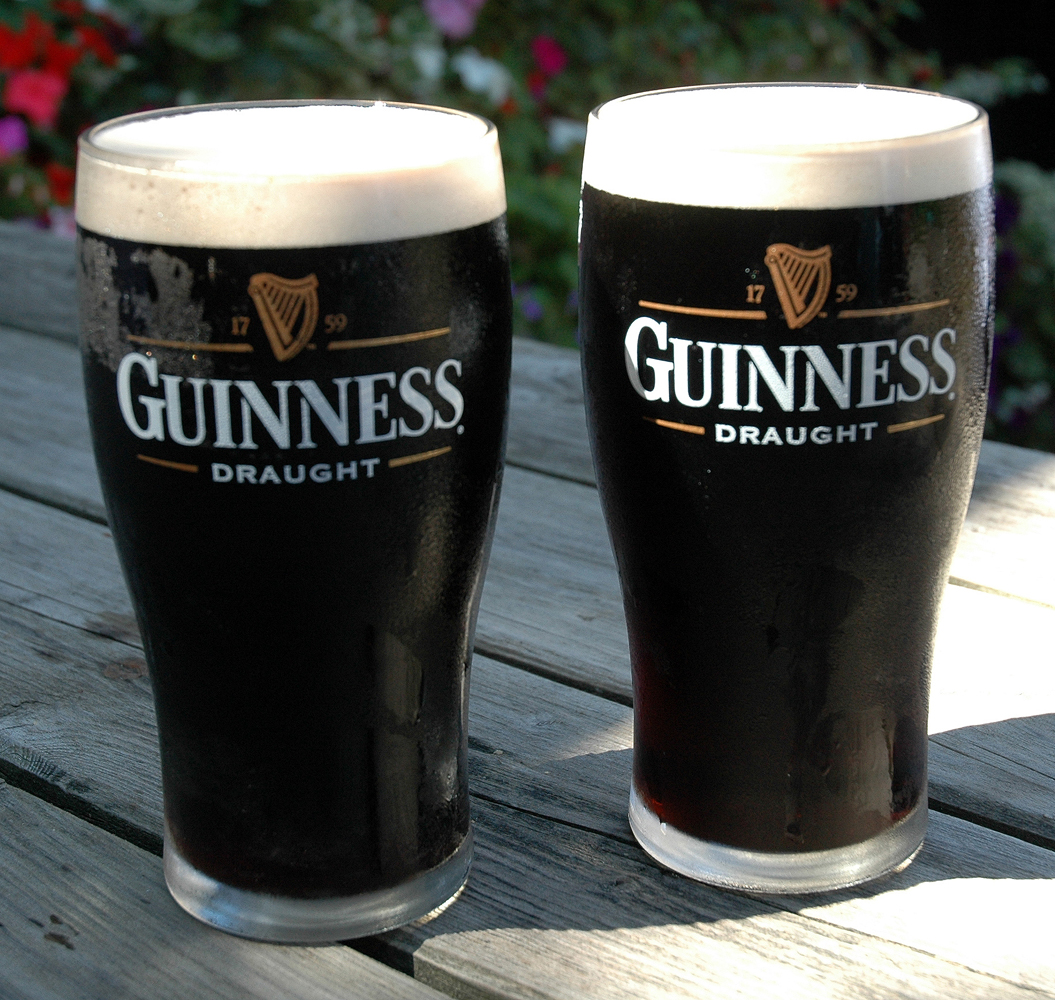 GuinnessVegan
🇮🇪 Ireland and 5 moreA dark Irish stout with a creamy head and dry, roasted flavour
Drink
GuinnessVegan
🇮🇪 Ireland and 5 moreA dark Irish stout with a creamy head and dry, roasted flavour
Drink
 SimaVegan
🇫🇮 FinlandFinnish sparkling lemon drink, lightly fermented and sweet
Drink, Snacks
SimaVegan
🇫🇮 FinlandFinnish sparkling lemon drink, lightly fermented and sweet
Drink, Snacks