
Kumis
In its own language: Кымыз
Fermented mare's milk drink from the Central Asian steppe
Kumis is a mildly alcoholic, fermented dairy drink made from mare's milk, traditional among Turkic and Mongolic peoples of the Central and East Asian steppes. It is light, slightly sour, and often served cold, with a unique taste shaped by its fermentation. Mare's milk is used where available, but cow's milk is sometimes substituted in modern production.
- Made by fermenting mare's milk with bacteria and yeast
- Mildly alcoholic, with 0.7–2.5% alcohol content
- Served cold in small, handle-less cups
- Traditional among Mongolic and Turkic peoples of the steppe
- Cow's milk is sometimes used in modern production
What is Kumis?
Kumis is a traditional drink made by fermenting mare's milk. It is pale and liquid, with a light body compared to other dairy drinks. The taste is slightly sour, with a gentle alcoholic bite that varies by producer. Its alcohol content is low, usually between 0.7 and 2.5 percent. The drink is carbonated from fermentation, giving it a slight fizz. Kumis is usually served cold and sipped from small, handle-less cups or saucers.
Where does Kumis come from?
Kumis has deep roots among the peoples of the Central Asian steppe, including Kazakhs, Kyrgyz, Mongols, and others. Ancient sources such as Herodotus described the Scythians making a fermented mare's milk drink, believed to be kumis. The word comes from Turkic languages and appears in 11th-century texts. Archaeological finds in Kazakhstan suggest early horse milking, though not direct evidence of fermentation. Kumis was also known to Mongols and other steppe cultures, and was mentioned by travelers like William of Rubruck in the 13th century.
How is Kumis made?
Traditionally, kumis is made by fermenting fresh mare's milk in a leather bag, wooden vat, or plastic barrel. The milk is stirred or churned as it ferments, often by hand or by strapping the container to a saddle and letting it jostle during travel. Lactobacilli bacteria acidify the milk, while yeasts produce alcohol and carbonation. In modern production, cow's milk may be used, with added sugar or whey to mimic mare's milk. The fermentation can take a few hours to days, depending on the method.


How and when is Kumis eaten?
Kumis is most often enjoyed cold, especially in the summer. It is a central part of hospitality in Kyrgyz and Mongolian herding communities, particularly on the high summer pastures. Guests are offered kumis in small bowls as a gesture of welcome. The drink is consumed on its own, not as part of a meal, and is valued for its refreshing, mildly intoxicating qualities. The flavor and strength can vary widely, so each batch is a little different.
Kinds of Kumis
While mare's milk is the traditional base, cow's milk is sometimes used in places where mare's milk is scarce. Cow's milk requires added sugar or whey to ferment in a similar way. There are also stronger versions made by freeze distillation, and kumis can be further distilled into a spirit called arkhi. In Mongolia, the drink is called airag, and in some regions it is known as tsegee. Each community may have its own preferred method and taste.
What Kumis means
Kumis is more than a drink; it is a symbol of steppe life and hospitality. It played a role in Mongol and Turkic societies, and was even used in place of tea during the Yuan dynasty in China. Kumis is featured in stories and historical accounts, and has been recommended for health in the past. Its preparation and sharing are important social rituals, especially during the summer herding season. The drink also inspired the Japanese soft drink Calpis.
Questions people ask about Kumis
What is kumis made from?
Kumis is made by fermenting mare's milk. In modern production, cow's milk may be used with added sugar or whey to mimic the composition of mare's milk.
Where does kumis come from?
Kumis is traditional to the Central and East Asian steppes, especially among Mongolic and Turkic peoples such as the Kazakhs, Kyrgyz, and Mongols.
What does kumis taste like?
Kumis has a light, slightly sour flavor with a mild alcoholic bite and a bit of carbonation. The taste can vary depending on how it is made.
Is kumis alcoholic?
Yes, kumis contains a small amount of alcohol, usually between 0.7 and 2.5 percent, produced during fermentation.
How is kumis traditionally served?
Kumis is usually served cold in small, handle-less cups or saucers, especially as a gesture of hospitality in herding communities.
Good reading and sources
The facts on this page come from the Wikipedia article "Kumis", written by its contributors and used under the CC BY-SA 4.0 licence, and from its Wikidata record (CC0). Thali rewrote the text in its own words, with AI assistance, and compares every page with the article to make sure no passage is copied. It may be reused under the same CC BY-SA 4.0 licence with a link back.
It may contain mistakes, and it is not dietary or allergy advice: recipes differ from cook to cook. If something is wrong, tell us. Last refreshed 2026-10-03.

Its cousins elsewhere
All drinks Ice cream
🇺🇸 United States and 5 moreA frozen dessert made from sweetened, flavoured milk or cream
Sweet or dessert, Snacks
Ice cream
🇺🇸 United States and 5 moreA frozen dessert made from sweetened, flavoured milk or cream
Sweet or dessert, Snacks
 ChampagneVegan
🇫🇷 FranceSparkling wine made only in France’s Champagne region using traditional bottle fermentation
Drink
ChampagneVegan
🇫🇷 FranceSparkling wine made only in France’s Champagne region using traditional bottle fermentation
Drink
 TequilaVegan
🇲🇽 MexicoMexican spirit distilled from blue agave in Jalisco and nearby regions
Drink
TequilaVegan
🇲🇽 MexicoMexican spirit distilled from blue agave in Jalisco and nearby regions
Drink
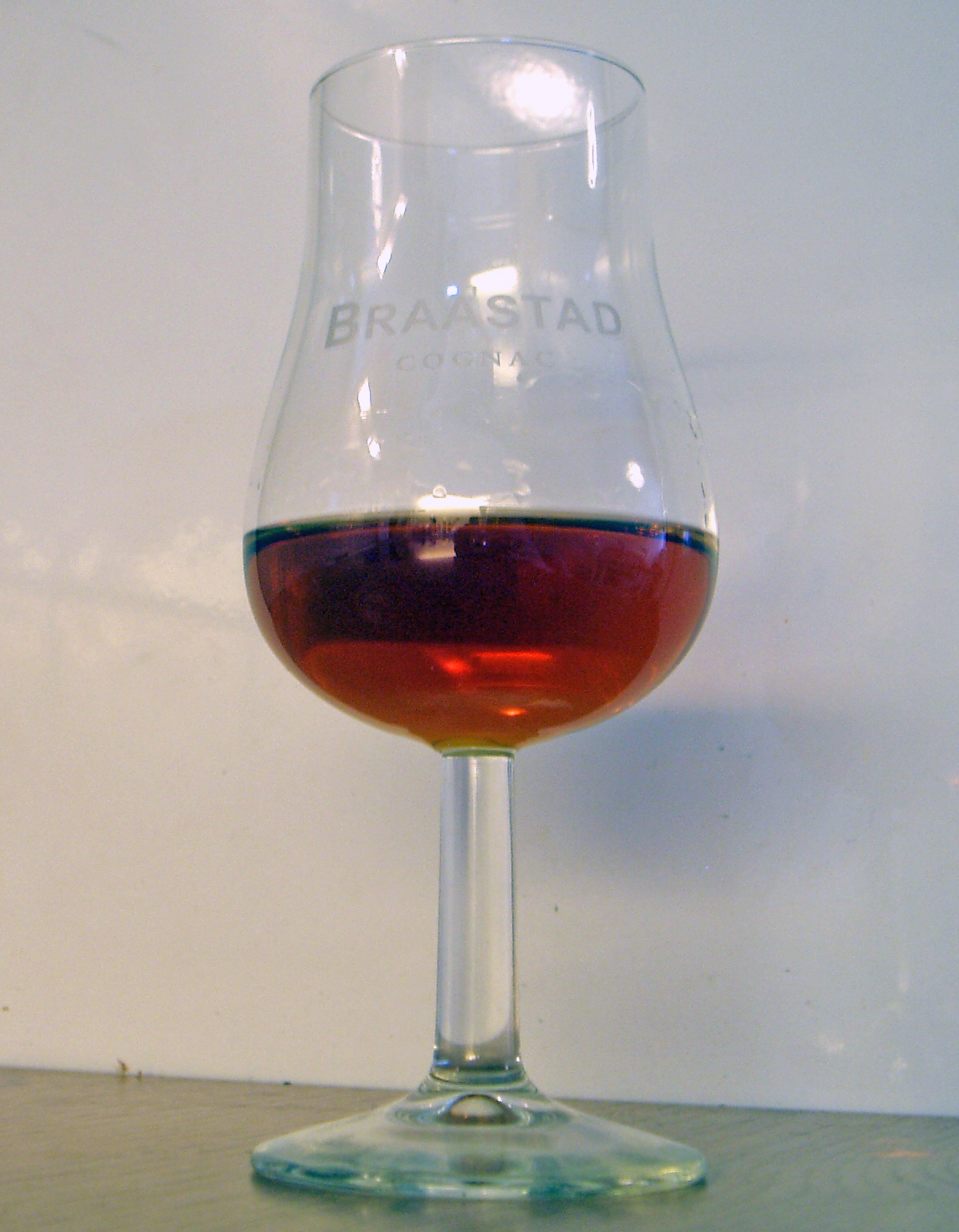 CognacVegan
🇫🇷 FranceFrench brandy distilled from local white grapes and aged in oak casks
Drink
CognacVegan
🇫🇷 FranceFrench brandy distilled from local white grapes and aged in oak casks
Drink