
Bobó de camarão
Shrimp cooked in a creamy manioc and coconut milk purée from Bahia, Brazil
Bobó de camarão is a Brazilian dish from Bahia made with shrimp simmered in a purée of manioc meal and coconut milk, flavored with herbs, ginger, and red palm oil. It is usually served with white rice or other manioc-based sides and is known for its Afro-Brazilian roots.
- Made with shrimp, manioc, coconut milk, and red palm oil
- A classic dish from Bahia, Brazil with Afro-Brazilian roots
- Similar to the West African dish Ipetê
- Served hot, often with white rice or manioc sides
What is Bobó de camarão?
Bobó de camarão is a thick stew where shrimp are cooked in a creamy base made from manioc (a starchy root also called cassava) and coconut milk. The mixture is seasoned with herbs, ginger, and red palm oil, which gives it a rich color and distinctive taste. The dish is smooth, with the manioc purée providing a soft, almost silky texture, and the shrimp adding a sweet, briny flavor. It is a signature food of Bahia, reflecting the region’s Afro-Brazilian influences.
Where does Bobó de camarão come from?
This dish comes from Bahia, a coastal region in Brazil known for its Afro-Brazilian culture. Bobó de camarão is closely related to the West African dish Ipetê, showing the influence of African cooking brought by enslaved people. The word 'bobó' itself is from the Fon language of West Africa. Over time, the dish became a staple in Bahia, where local ingredients like manioc and coconut milk were used alongside shrimp from the Atlantic coast.
How is Bobó de camarão made?
To make bobó de camarão, shrimp are simmered in a purée of manioc meal and coconut milk. The dish is flavored with herbs, ginger, and red palm oil (dendê), which is a common ingredient in Bahian cooking. In some regions, such as Espírito Santo, olive oil is used instead of palm oil, reflecting Italian influence. The manioc is cooked until soft, then blended with coconut milk to form a smooth base before adding the shrimp and seasonings.
How and when is Bobó de camarão eaten?
Bobó de camarão is typically served hot, often as a main course for lunch or dinner. It is usually accompanied by white rice, but can also be paired with pirão (another manioc dish) or acaçá, a ritual food in Candomblé. Sometimes it is enjoyed as a side dish. The meal is commonly shared with family or friends and is a familiar part of everyday eating in Bahia.
Kinds of Bobó de camarão
While the classic version uses red palm oil, in Espírito Santo, olive oil is preferred due to Italian influence in the region. The dish may also vary in the herbs and seasonings used, and sometimes the accompaniments change, with different manioc-based sides served alongside. Despite these differences, the core of the dish—shrimp in a manioc and coconut milk purée—remains the same.
What Bobó de camarão means
Bobó de camarão is an iconic dish of Bahia and is deeply tied to the region’s Afro-Brazilian heritage. Its similarity to West African Ipetê highlights the cultural exchange between Africa and Brazil. The dish is a symbol of Bahian identity and is often found in homes and restaurants throughout the state. It also appears in celebrations and gatherings, reflecting its place in daily and communal life.
Questions people ask about Bobó de camarão
What is bobó de camarão made of?
It is made with shrimp cooked in a purée of manioc meal and coconut milk, flavored with herbs, ginger, and red palm oil.
Where does bobó de camarão come from?
Bobó de camarão comes from Bahia, a region in Brazil known for its Afro-Brazilian culture.
How is bobó de camarão usually served?
It is typically served hot as a main dish, often with white rice or other manioc-based sides like pirão.
What gives bobó de camarão its distinctive color?
Red palm oil, known as dendê in Brazil, gives the dish its rich color and unique flavor.
Is bobó de camarão related to any other dishes?
Yes, it is very similar to the West African dish Ipetê, reflecting the African influence in Bahian cooking.
Good reading and sources
- Bobó de camarão on WikipediaEncyclopedia
- More photos on Wikimedia CommonsPhotos
- Wikidata recordOpen data
The facts on this page come from the Wikipedia article "Bobó de camarão", written by its contributors and used under the CC BY-SA 4.0 licence, and from its Wikidata record (CC0). Thali rewrote the text in its own words, with AI assistance, and compares every page with the article to make sure no passage is copied. It may be reused under the same CC BY-SA 4.0 licence with a link back.
It may contain mistakes, and it is not dietary or allergy advice: recipes differ from cook to cook. If something is wrong, tell us. Last refreshed 2026-10-03.
More from Brazil
All the food of Brazil PolentaVegan
🇮🇹 Italy and 5 moreBoiled cornmeal porridge from northern Italy, served soft or set and sliced
Main dish
PolentaVegan
🇮🇹 Italy and 5 moreBoiled cornmeal porridge from northern Italy, served soft or set and sliced
Main dish
 ChorizoMeat
🇪🇸 Spain and 5 moreA seasoned pork sausage from the Iberian Peninsula, made in many regional styles
Sausage or cured food, Breakfast, Lunch
ChorizoMeat
🇪🇸 Spain and 5 moreA seasoned pork sausage from the Iberian Peninsula, made in many regional styles
Sausage or cured food, Breakfast, Lunch
 Steak tartareMeat
🇫🇷 France and 5 moreRaw minced beef, seasoned and often topped with a raw egg yolk
Main dish, Lunch, Dinner
Steak tartareMeat
🇫🇷 France and 5 moreRaw minced beef, seasoned and often topped with a raw egg yolk
Main dish, Lunch, Dinner
Its cousins elsewhere
All main dishes Laing
🇵🇭 PhilippinesTaro leaves and meat or seafood simmered in spiced coconut milk
Stew or curry, Lunch, Dinner
Jaffna crab curryMeat
🇱🇰 Sri LankaSpicy crab curry from northern Sri Lanka, simmered with coconut milk and spices
Main dish, Lunch, Dinner
Laing
🇵🇭 PhilippinesTaro leaves and meat or seafood simmered in spiced coconut milk
Stew or curry, Lunch, Dinner
Jaffna crab curryMeat
🇱🇰 Sri LankaSpicy crab curry from northern Sri Lanka, simmered with coconut milk and spices
Main dish, Lunch, Dinner
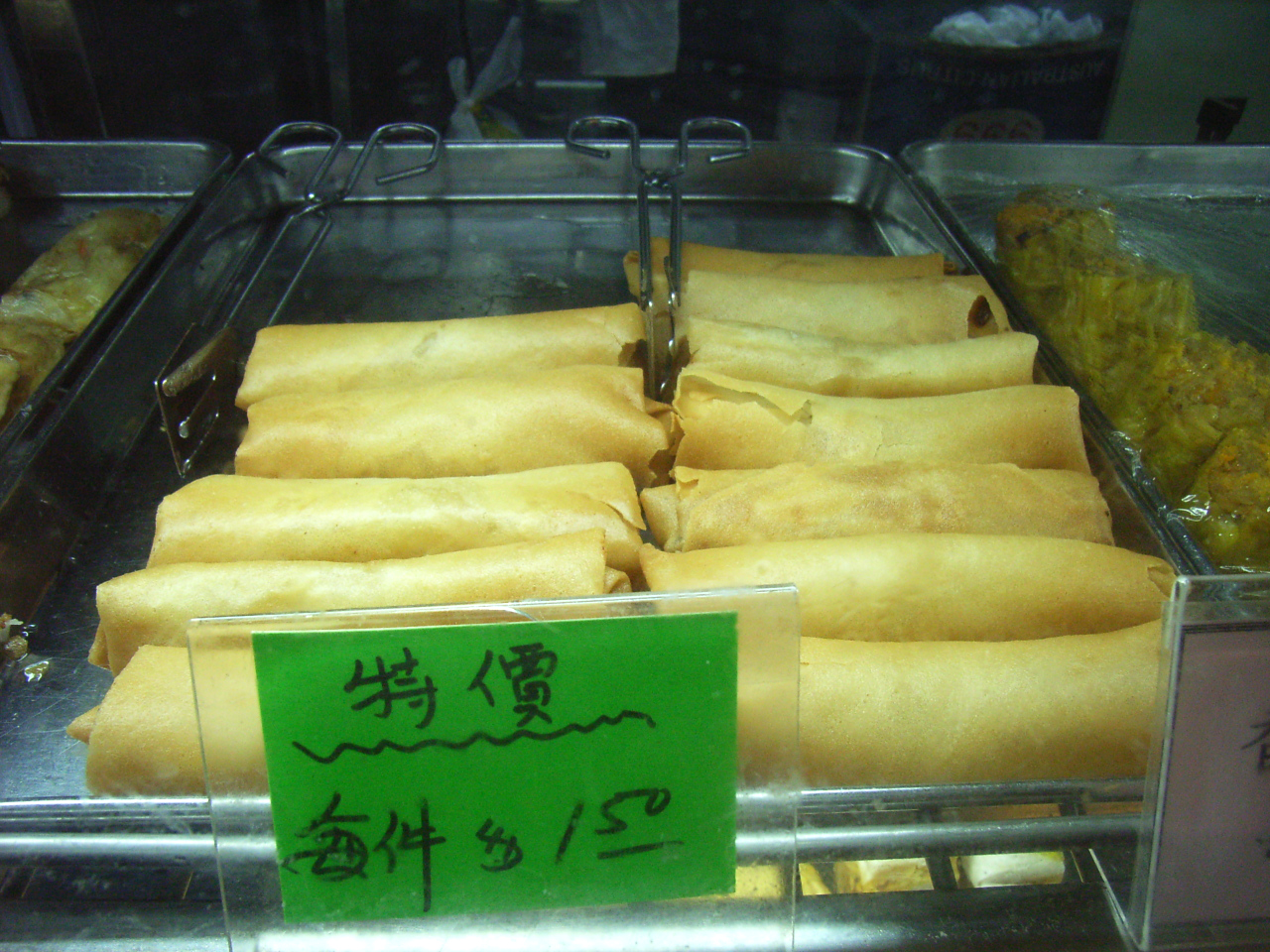 Spring roll春卷
🇨🇳 China and 5 moreA thin wrapper rolled around vegetables or meat, served fried or fresh
Main dish, Snacks, Lunch
Spring roll春卷
🇨🇳 China and 5 moreA thin wrapper rolled around vegetables or meat, served fried or fresh
Main dish, Snacks, Lunch
 Laksaلقسا / 叻沙
🇲🇾 Malaysia and 3 moreSpicy Southeast Asian noodle soup with coconut or sour broth
Soup, Breakfast, Lunch
Laksaلقسا / 叻沙
🇲🇾 Malaysia and 3 moreSpicy Southeast Asian noodle soup with coconut or sour broth
Soup, Breakfast, Lunch