
Laing
Taro leaves and meat or seafood simmered in spiced coconut milk
Laing is a Filipino dish from the Bicol Region made with taro leaves, meat or seafood, and coconut milk. The leaves are cooked with spices and often shrimp paste, then served with rice as a side or main. It is a staple in Bicolano cooking and known for its rich, creamy sauce and heat from chili.
- Laing is made with taro leaves and coconut milk
- It comes from the Bicol Region of the Philippines
- The dish can include pork, fish, or shrimp
- Known for its spicy and creamy sauce
- Also called pinangat in its home region
What is Laing?
Laing is a dish from the Philippines that highlights taro leaves, which are either left whole or shredded, cooked together with coconut milk and a mix of spices. Meat such as pork, seafood like shrimp or fish, and shrimp paste are often included. The sauce is thick and creamy, with a noticeable kick from chili peppers. The dish can be wrapped in taro leaves or simply stewed, depending on the region. Its flavor is rich, savory, and often spicy, with a hint of earthiness from the taro and depth from the coconut milk.
Where does Laing come from?
Laing comes from the Bicol Region in the Philippines, an area known for its frequent use of coconut milk and chili in cooking. In Bicol, it is usually called pinangat, though this name can refer to other dishes in different parts of the country. The dish is part of a broader group of Filipino foods called ginataan, which are cooked in coconut milk. The use of taro leaves and coconut milk reflects the local agriculture and culinary traditions of Bicol.
How is Laing made?
To make laing, taro leaves are first prepared to remove natural irritants, then cooked with coconut milk and a blend of aromatics. In Bicol, whole taro leaves are wrapped around a filling of pork, fish, or shrimp, along with shrimp paste and spices, then tied and simmered in coconut milk until tender. In other regions, the leaves are shredded and cooked directly in the sauce. The dish is cooked until the coconut milk thickens and the flavors meld.


How and when is Laing eaten?
Laing is commonly served as a side dish or as part of a meal with rice. It often accompanies meat or fish dishes and is a regular feature at lunch or dinner. In some places, it is used as a filling for bread or as stuffing in other recipes. The dish is enjoyed both at home and in restaurants, especially in areas where Bicolano food is popular. Eating laing with rice helps balance its rich and spicy flavors.
Kinds of Laing
Several regional versions of laing exist. Inulukan uses river crab meat wrapped in taro leaves, while tinumok includes coconut meat and a mix of seafood or meat. Linapay from Aklan uses freshwater shrimp and young coconut. Some areas add souring agents or use snails and pigeon peas. Vegan versions are also made, especially in Bicol. The dish’s name and ingredients can change depending on the province and available produce.
What Laing means
Laing is a symbol of Bicolano cooking, known for its bold use of coconut milk and chili. The dish is part of everyday meals and reflects the region’s agricultural roots. It is also recognized in other parts of the Philippines, sometimes under different names. Preparing laing requires care with the taro leaves, as they can cause irritation if not handled properly. The dish is a point of regional pride and a staple in Filipino cuisine.
Questions people ask about Laing
What is laing made of?
Laing is made from taro leaves cooked with coconut milk, chili, and often includes meat or seafood. Common additions are shrimp paste, lemongrass, garlic, shallots, and ginger.
Where does laing come from?
Laing originates from the Bicol Region in the Philippines, an area known for dishes that use coconut milk and chili.
Is laing always spicy?
Laing is typically spicy because it uses chili peppers, but the level of heat can vary depending on the cook and the region.
How is laing usually eaten?
Laing is most often served with rice as part of lunch or dinner. It can be a side dish or sometimes used as a filling for bread or other foods.
Are there vegetarian or vegan versions of laing?
Yes, some versions of laing, especially in Bicol, are made without meat or seafood, relying on taro leaves, coconut milk, and spices.
Good reading and sources
The facts on this page come from the Wikipedia article "Laing (food)", written by its contributors and used under the CC BY-SA 4.0 licence, and from its Wikidata record (CC0). Thali rewrote the text in its own words, with AI assistance, and compares every page with the article to make sure no passage is copied. It may be reused under the same CC BY-SA 4.0 licence with a link back.
It may contain mistakes, and it is not dietary or allergy advice: recipes differ from cook to cook. If something is wrong, tell us. Last refreshed 2026-10-03.
More from the Philippines
All the food of the Philippines SpaghettiVegan
🇮🇹 Italy and 2 moreLong, thin pasta strands made from durum wheat and water
Noodle or pasta dish, Lunch, Dinner
SpaghettiVegan
🇮🇹 Italy and 2 moreLong, thin pasta strands made from durum wheat and water
Noodle or pasta dish, Lunch, Dinner
 Paella
🇪🇸 Spain and 1 moreRice cooked with meat, seafood or vegetables in a wide shallow pan from Valencia
Main dish, Lunch
Paella
🇪🇸 Spain and 1 moreRice cooked with meat, seafood or vegetables in a wide shallow pan from Valencia
Main dish, Lunch
 Rice pudding
🇮🇳 India and 4 moreSweetened rice cooked in milk, found in many forms worldwide
Sweet or dessert, Breakfast, Lunch
Rice pudding
🇮🇳 India and 4 moreSweetened rice cooked in milk, found in many forms worldwide
Sweet or dessert, Breakfast, Lunch
 Oxtail stewMeat
🇮🇹 Italy and 4 moreStew made with oxtail, found in many world cuisines
Stew or curry, Lunch, Dinner
Oxtail stewMeat
🇮🇹 Italy and 4 moreStew made with oxtail, found in many world cuisines
Stew or curry, Lunch, Dinner
Its cousins elsewhere
All stews and curries Moqueca
🇧🇷 Brazil and 1 moreBrazilian seafood stew simmered with tomatoes, onions, lime and coriander
Stew or curry, Lunch, Dinner
Moqueca
🇧🇷 Brazil and 1 moreBrazilian seafood stew simmered with tomatoes, onions, lime and coriander
Stew or curry, Lunch, Dinner
 PelauMeat
🇹🇹 Trinidad and Tobago and 1 moreA one-pot rice and meat dish from the Caribbean, darkened with caramelised sugar
Main dish, Lunch, Dinner
PelauMeat
🇹🇹 Trinidad and Tobago and 1 moreA one-pot rice and meat dish from the Caribbean, darkened with caramelised sugar
Main dish, Lunch, Dinner
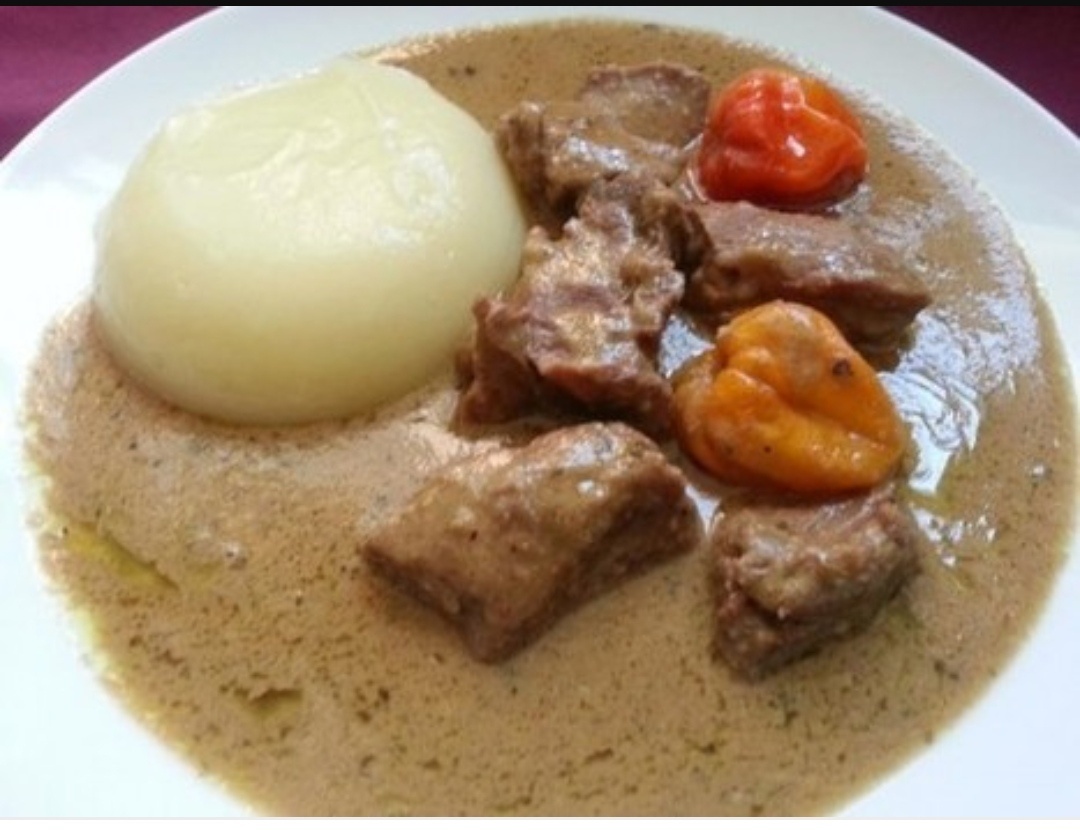 Peanut stew
🇸🇳 Senegal and 5 moreA rich West African stew of meat and vegetables in a spiced peanut sauce
Stew or curry, Lunch, Dinner
Peanut stew
🇸🇳 Senegal and 5 moreA rich West African stew of meat and vegetables in a spiced peanut sauce
Stew or curry, Lunch, Dinner
 Chili con carneMeat
🇲🇽 Mexico and 1 moreA spicy stew of meat and chili peppers from Mexico and the United States
Main dish, Lunch, Dinner
Chili con carneMeat
🇲🇽 Mexico and 1 moreA spicy stew of meat and chili peppers from Mexico and the United States
Main dish, Lunch, Dinner