
Buuz
In its own language: Бууз
Mongolian steamed dumplings filled with seasoned meat
Buuz are steamed dumplings from Mongolia and Buryatia, filled with minced lamb, mutton or beef, and flavored with onion, garlic, and sometimes herbs. Traditionally made for Tsagaan Sar, the Lunar New Year, they are now enjoyed year-round at home and in restaurants, often eaten by hand and sometimes served with soy sauce.
- Buuz are steamed dumplings filled with minced meat and onion.
- They are a key dish for Tsagaan Sar, the Mongolian Lunar New Year.
- Buuz are often made in advance and frozen outdoors before the holiday.
- They are eaten by hand, sometimes with soy sauce.
- Commonly found in Mongolian restaurants and small cafes called 'guanz'.
What is Buuz?
Buuz are steamed dumplings from Mongolia and Buryatia, shaped by hand with a small opening at the top. The filling is made from minced lamb, mutton, or beef, mixed with onion, garlic, salt, black pepper, and sometimes caraway or fennel seeds. The dough is made from wheat flour and water. When cooked, the dumplings are soft and juicy, with the dough pocket holding in the meat juices. They are usually eaten by hand, and sometimes served with soy sauce.
Where does Buuz come from?
Buuz are a Mongolian and Buryat take on the steamed dumpling, a food found across Central and East Asia. The name is related to the Chinese 'baozi', which also means steamed dumpling. Buuz have long been part of Mongolian New Year (Tsagaan Sar) celebrations, but are now eaten throughout the year. The tradition includes making large batches in advance and freezing them outdoors before the holiday.
How is Buuz made?
To make buuz, minced lamb, mutton, or beef is mixed with onion, garlic, salt, black pepper, and sometimes caraway or fennel seeds. The filling may also include seasonal herbs, and modern versions sometimes add vegetables like carrot or cabbage, or even rice. The meat is wrapped in a round of wheat flour dough, pinched closed with a small opening at the top. The dumplings are then steamed until the dough is cooked and the filling is juicy.


How and when is Buuz eaten?
Buuz are most famously eaten during Tsagaan Sar, the Mongolian Lunar New Year, but are enjoyed year-round for lunch or dinner. They are often made at home, but can also be found in restaurants and small cafes called 'guanz', especially in Ulaanbaatar. Buuz are eaten by hand, sometimes dipped in soy sauce. During New Year celebrations, they are served with salads such as Niislel salad, fried bread, Mongolian tea (suutei tsai), and vodka.
Kinds of Buuz
While the classic filling is minced lamb or mutton, beef is also common. Some recipes add carrots, cabbage, or rice to the filling. Herbs like caraway or fennel seeds may be used for extra flavor. The way the dough is folded varies by cook, with each person having their own style. Modern versions may use soy sauce or other condiments for added taste.
What Buuz means
Buuz are a central part of Tsagaan Sar, the Mongolian Lunar New Year, when families prepare large quantities in advance and freeze them outdoors. The dumplings are a symbol of hospitality and celebration. During the holiday, they are served alongside salads, bread, tea, and vodka. Buuz are also a common everyday food, available in restaurants and cafes throughout Mongolia.
Questions people ask about Buuz
What is buuz made of?
Buuz are made with a filling of minced lamb, mutton, or beef, mixed with onion, garlic, salt, black pepper, and sometimes herbs like caraway or fennel seeds, wrapped in wheat flour dough.
Where does buuz come from?
Buuz comes from Mongolia and the Buryat region of Russia. It is a traditional food in Mongolian and Buryat cuisine, especially during the Lunar New Year.
How is buuz cooked?
Buuz are steamed. The meat filling is wrapped in dough, shaped with a small opening at the top, and then steamed until the dough is cooked and the filling is juicy.
When is buuz usually eaten?
Buuz is eaten throughout the year, but it is especially popular during Tsagaan Sar, the Mongolian Lunar New Year. It is served at home, in restaurants, and in small cafes.
Are there vegetarian versions of buuz?
Traditional buuz are made with meat, but modern versions may include vegetables like carrot or cabbage in the filling. However, the classic recipe is not vegetarian.
Good reading and sources
The facts on this page come from the Wikipedia article "Buuz", written by its contributors and used under the CC BY-SA 4.0 licence, and from its Wikidata record (CC0). Thali rewrote the text in its own words, with AI assistance, and compares every page with the article to make sure no passage is copied. It may be reused under the same CC BY-SA 4.0 licence with a link back.
It may contain mistakes, and it is not dietary or allergy advice: recipes differ from cook to cook. If something is wrong, tell us. Last refreshed 2026-10-03.
More from Mongolia
All the food of Mongolia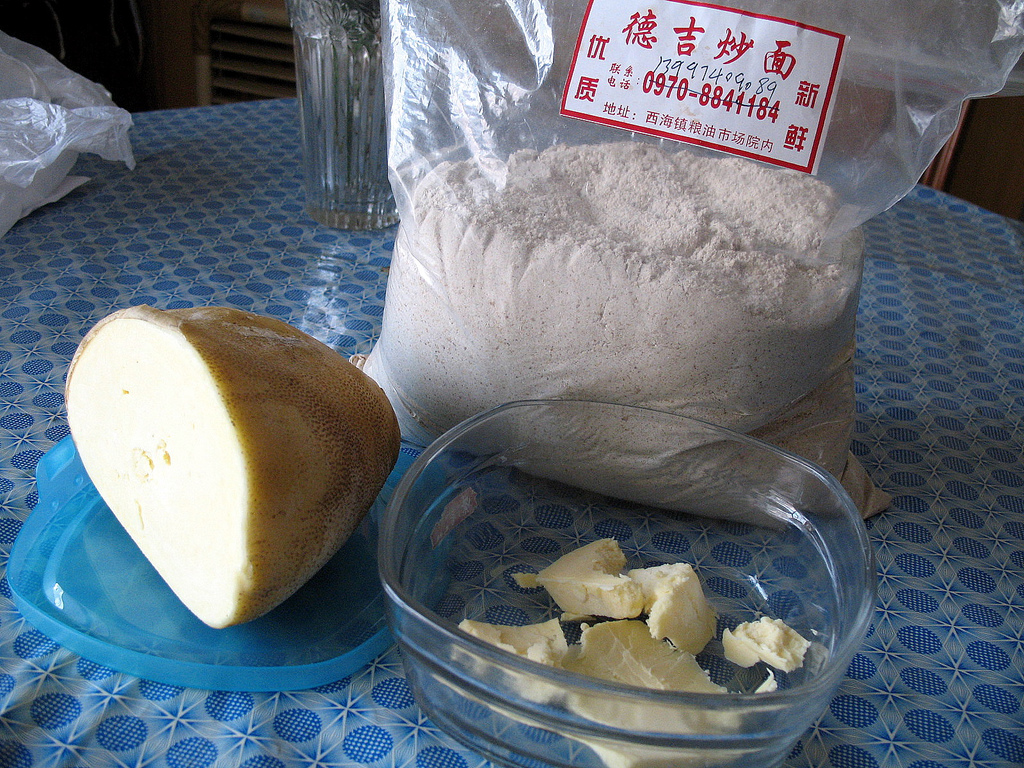 TsampaVegetarianརྩམ་པ་
🇳🇵 Nepal and 1 moreRoasted barley flour mixed with tea or water, a staple in Tibet and the Himalayas
Main dish, Breakfast, Lunch
TsampaVegetarianརྩམ་པ་
🇳🇵 Nepal and 1 moreRoasted barley flour mixed with tea or water, a staple in Tibet and the Himalayas
Main dish, Breakfast, Lunch
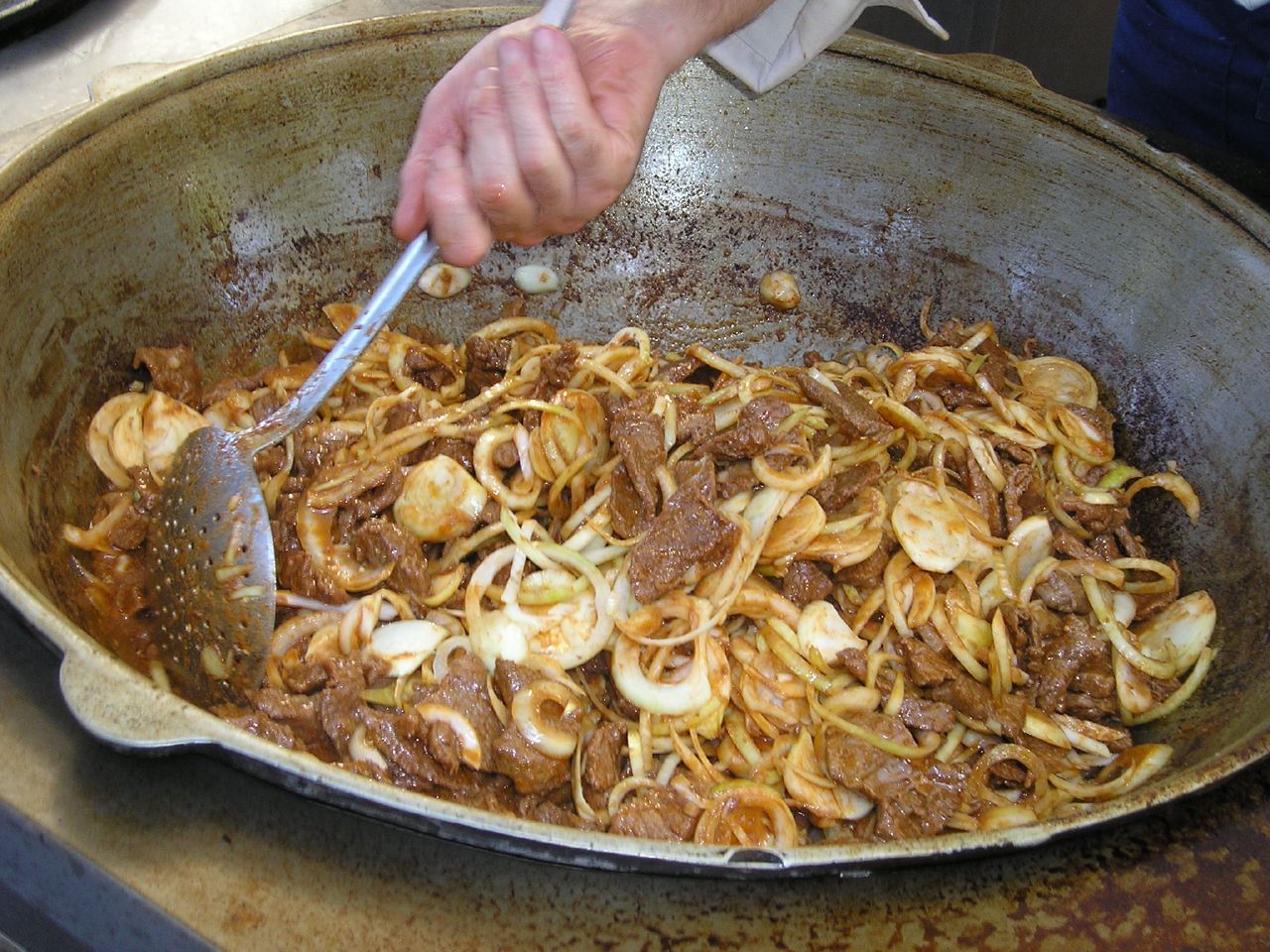 KuurdakMeat
🇰🇬 Kyrgyzstan and 4 moreCentral Asian fried meat and offal, often with onions and sometimes potatoes
Main dish
KuurdakMeat
🇰🇬 Kyrgyzstan and 4 moreCentral Asian fried meat and offal, often with onions and sometimes potatoes
Main dish
 KhorkhogMeatХорхог
🇲🇳 MongoliaLamb cooked with hot stones inside a sealed metal container
Main dish, Lunch, Dinner
KhorkhogMeatХорхог
🇲🇳 MongoliaLamb cooked with hot stones inside a sealed metal container
Main dish, Lunch, Dinner
 KumisКымыз
🇲🇳 Mongolia and 4 moreFermented mare's milk drink from the Central Asian steppe
Drink
KumisКымыз
🇲🇳 Mongolia and 4 moreFermented mare's milk drink from the Central Asian steppe
Drink
Its cousins elsewhere
All dumplings Gnocchi
🇮🇹 Italy and 5 moreSoft dumplings of dough, often made with potato, flour and egg
Dumpling, Lunch, Dinner
Pierogi
🇵🇱 Poland and 6 moreDumplings of unleavened dough filled with savory or sweet mixtures
Dumpling, Lunch, Dinner
Gnocchi
🇮🇹 Italy and 5 moreSoft dumplings of dough, often made with potato, flour and egg
Dumpling, Lunch, Dinner
Pierogi
🇵🇱 Poland and 6 moreDumplings of unleavened dough filled with savory or sweet mixtures
Dumpling, Lunch, Dinner
 SpätzleSpätzla
🇩🇪 Germany and 5 moreIrregular egg noodles from Swabia, served as a side or main dish
Main dish, Lunch, Dinner
SpätzleSpätzla
🇩🇪 Germany and 5 moreIrregular egg noodles from Swabia, served as a side or main dish
Main dish, Lunch, Dinner
 Bryndzové halušky
🇸🇰 SlovakiaPotato dumplings tossed with sheep cheese, a Slovak national dish
Main dish, Lunch, Dinner
Bryndzové halušky
🇸🇰 SlovakiaPotato dumplings tossed with sheep cheese, a Slovak national dish
Main dish, Lunch, Dinner