
Khorkhog
In its own language: Хорхог
Lamb cooked with hot stones inside a sealed metal container
Khorkhog is a Mongolian dish where lamb is cooked together with heated stones inside a metal jug, using steam and radiant heat. This method, which became common in the 20th century, creates tender meat that is usually eaten by hand. Khorkhog is a well-loved part of Mongolian meals.
- Lamb is cooked with hot stones inside a sealed metal jug
- The dish uses steam and radiant heat to tenderize the meat
- Khorkhog is often eaten with the hands
- Hot stones are sometimes passed around to diners
- It became popular in Mongolia in the 20th century
What is Khorkhog?
Khorkhog is a Mongolian main course where chunks of lamb, sometimes replaced with goat, are cooked with their bones still attached. The meat is placed inside a sturdy metal container along with stones that have been heated over a fire. Water is added, and the container is sealed, letting the meat cook through a mix of steam and the heat from the stones. The result is tender, juicy lamb with a smoky aroma. Diners often eat it by hand, sometimes using knives to separate the meat from the bone.
Where does Khorkhog come from?
Khorkhog emerged in Mongolia during the 20th century, when people began using metal water jugs left behind by the Soviet military. This was a shift from the older boodog style, which involved cooking inside animal skins. The new method made use of available metal containers, adapting traditional stone-cooking techniques to new materials. Khorkhog has since become a staple of Mongolian gatherings and meals.
How is Khorkhog made?
To prepare khorkhog, lamb is cut into pieces, keeping the bones attached. Stones about the size of a fist are heated in a fire until very hot. These stones, along with the meat and some water, are placed in a metal jug or similar container. The jug is then sealed and sometimes heated further over a fire or stove. The stones blacken as they absorb fat from the meat, and the cook relies on smell and sound to judge when the dish is done. The process takes some time, resulting in meat that is both steamed and roasted.


How and when is Khorkhog eaten?
Khorkhog is typically served hot, straight from the cooking jug. The meat is portioned out, and diners may also be given the hot stones to handle, which some believe have health benefits. Eating is informal, often done with the hands, though knives can be used to cut the meat from the bone. Khorkhog is enjoyed at family meals and gatherings, usually for lunch or dinner.
Kinds of Khorkhog
While lamb is the most common meat used for khorkhog, goat can also be substituted. The main variation comes from the type of container used, as some cooks use whatever sturdy vessel is available. The basic method of using hot stones and steam remains the same, but small differences in technique or meat choice may be found from one household to another.
What Khorkhog means
Khorkhog holds a special place in Mongolian food culture as a dish often shared at gatherings. Its preparation is social, with the process of heating stones and dividing the meat forming part of the experience. The use of hot stones is a nod to older nomadic cooking traditions, and the dish is a symbol of Mongolian hospitality and adaptation.
Questions people ask about Khorkhog
What is khorkhog made of?
Khorkhog is made from pieces of lamb, sometimes goat, cooked with hot stones and water inside a metal container.
Where does khorkhog come from?
Khorkhog is a traditional dish from Mongolia, developed in the 20th century using metal jugs.
How is khorkhog cooked?
The meat and hot stones are sealed in a metal jug with water, and the heat from the stones and steam cooks the lamb.
How do people eat khorkhog?
Khorkhog is usually eaten by hand, with diners sometimes using knives to cut the meat from the bone.
What does khorkhog taste like?
Khorkhog has tender, juicy lamb with a smoky flavor from the stones and the cooking method.
Good reading and sources
The facts on this page come from the Wikipedia article "Khorkhog", written by its contributors and used under the CC BY-SA 4.0 licence, and from its Wikidata record (CC0). Thali rewrote the text in its own words, with AI assistance, and compares every page with the article to make sure no passage is copied. It may be reused under the same CC BY-SA 4.0 licence with a link back.
It may contain mistakes, and it is not dietary or allergy advice: recipes differ from cook to cook. If something is wrong, tell us. Last refreshed 2026-10-03.
More from Mongolia
All the food of Mongolia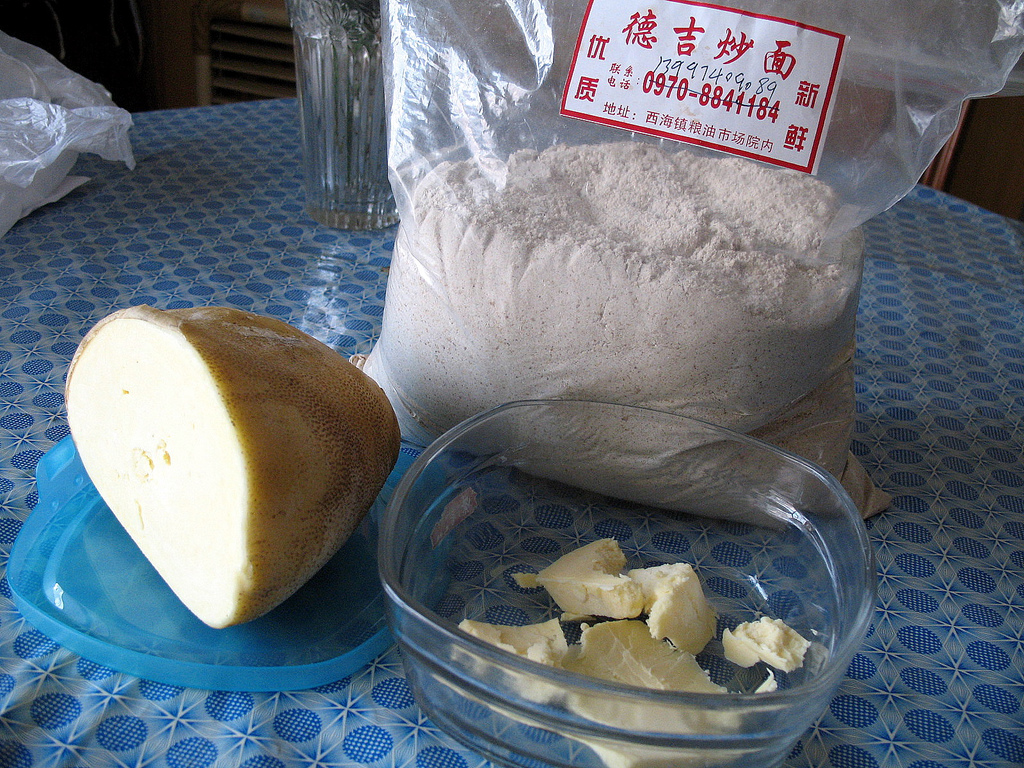 TsampaVegetarianརྩམ་པ་
🇳🇵 Nepal and 1 moreRoasted barley flour mixed with tea or water, a staple in Tibet and the Himalayas
Main dish, Breakfast, Lunch
TsampaVegetarianརྩམ་པ་
🇳🇵 Nepal and 1 moreRoasted barley flour mixed with tea or water, a staple in Tibet and the Himalayas
Main dish, Breakfast, Lunch
 BuuzMeatБууз
🇲🇳 Mongolia and 2 moreMongolian steamed dumplings filled with seasoned meat
Dumpling, Lunch, Dinner
BuuzMeatБууз
🇲🇳 Mongolia and 2 moreMongolian steamed dumplings filled with seasoned meat
Dumpling, Lunch, Dinner
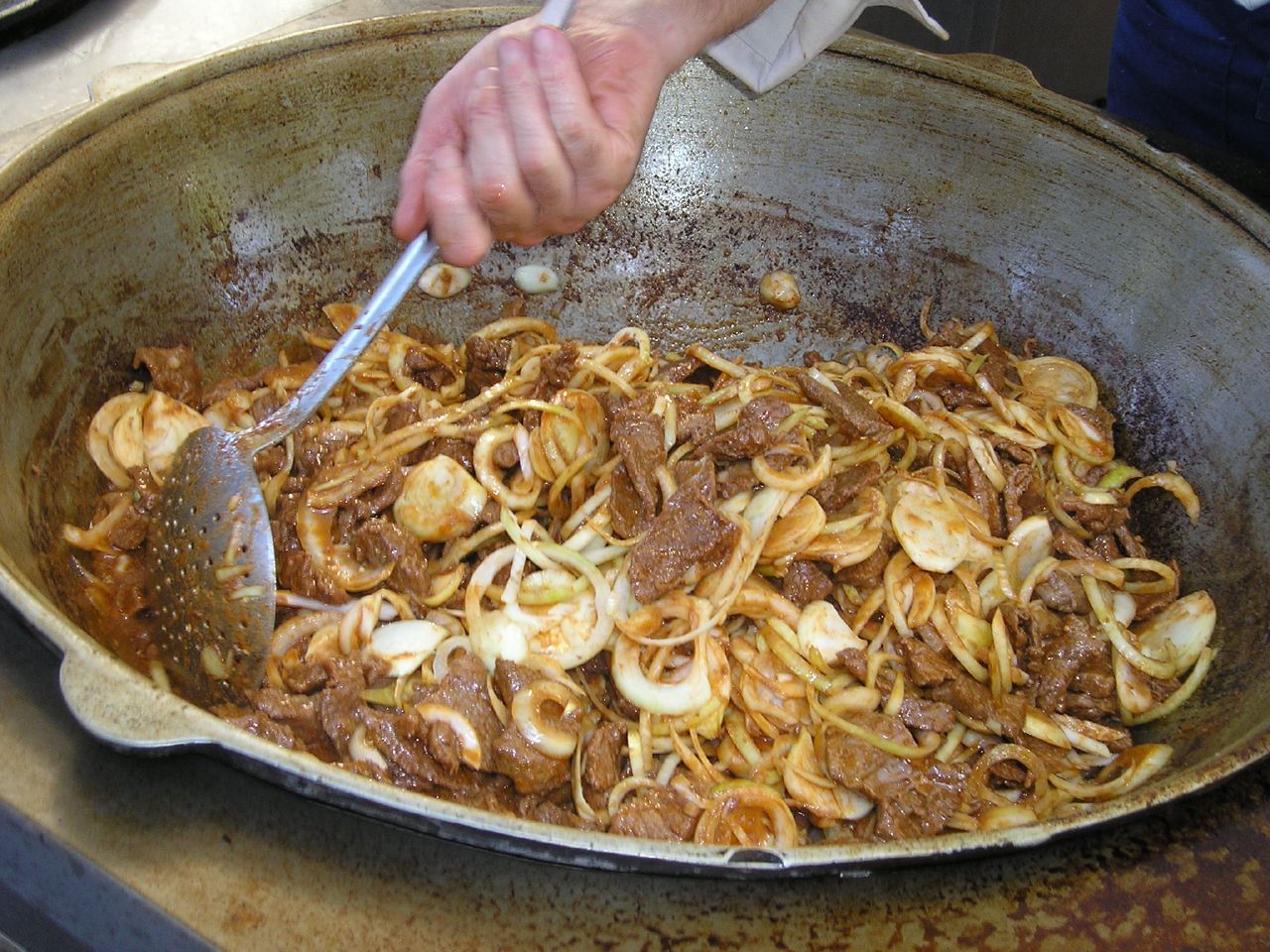 KuurdakMeat
🇰🇬 Kyrgyzstan and 4 moreCentral Asian fried meat and offal, often with onions and sometimes potatoes
Main dish
KuurdakMeat
🇰🇬 Kyrgyzstan and 4 moreCentral Asian fried meat and offal, often with onions and sometimes potatoes
Main dish
 KumisКымыз
🇲🇳 Mongolia and 4 moreFermented mare's milk drink from the Central Asian steppe
Drink
KumisКымыз
🇲🇳 Mongolia and 4 moreFermented mare's milk drink from the Central Asian steppe
Drink
Its cousins elsewhere
All main dishes LechazoMeat
🇪🇸 SpainRoast suckling lamb from Castile and León, Spain
Main dish, Lunch, Dinner
LechazoMeat
🇪🇸 SpainRoast suckling lamb from Castile and León, Spain
Main dish, Lunch, Dinner
 Pasta
🇮🇹 Italy and 1 moreUnleavened dough shaped and cooked, a staple of Italian cuisine
Main dish, Lunch, Dinner
Pasta
🇮🇹 Italy and 1 moreUnleavened dough shaped and cooked, a staple of Italian cuisine
Main dish, Lunch, Dinner
 SpaghettiVegan
🇮🇹 Italy and 2 moreLong, thin pasta strands made from durum wheat and water
Noodle or pasta dish, Lunch, Dinner
SpaghettiVegan
🇮🇹 Italy and 2 moreLong, thin pasta strands made from durum wheat and water
Noodle or pasta dish, Lunch, Dinner