
Česnica
In its own language: чесница
Round bread with a hidden coin, shared at Serbian Christmas meals
Česnica is a round loaf made from wheat flour, central to Christmas celebrations in Serbia. The bread often hides a coin or other small items inside, and is broken and shared among family members at the holiday meal. Whoever finds the coin is thought to have good fortune in the coming year.
- A coin is hidden inside the bread for luck
- Česnica is broken and shared, not sliced
- Decorated with symbols like stars or religious signs
- Special water may be used in making the dough
- Layered pastry version found in Vojvodina
What is Česnica?
Česnica is a round bread made mainly from wheat flour and water, prepared especially for Christmas in Serbia. The dough often contains a coin or small objects, sometimes including wooden figures or nuts. Its surface may be marked with symbols such as stars or religious signs. The bread is made to be broken and shared, not sliced, and is a key part of the holiday meal. The loaf is usually plain, but in some regions, it can be layered with nuts, raisins, and honey, resembling a dry baklava.
Where does Česnica come from?
The tradition of česnica is rooted in Serbian Christmas customs. Its name comes from a word meaning 'share,' reflecting the act of dividing the bread among family. The loaf is linked to beliefs about luck and prosperity, with the coin or objects inside thought to predict fortune for the year ahead. Some customs around česnica, such as using special water or marking the bread, are tied to older rural rituals. Similar bread-sharing traditions are found elsewhere in Europe, but česnica is distinct to Serbian culture.
How is Česnica made?
Česnica is typically prepared by the head of the household or a woman in the family, using wheat flour and water. In some areas, water for the dough is gathered from a spring on Christmas morning, sometimes with grain added for good luck. Rituals may include bathing before baking or taking flour from a full sack. During kneading, a coin or other small items are hidden in the dough. The top of the loaf may be decorated with symbols before baking. In Vojvodina, a different version uses filo pastry, nuts, raisins, and honey.

How and when is Česnica eaten?
Česnica is broken and shared at the Christmas meal, often the most important feast of the year. The bread is rotated three times before being divided by hand among everyone present, with care taken so no crumbs are lost. Some pieces may be set aside for absent relatives, a possible guest, or the first visitor of Christmas Day. Whoever finds the coin in their piece is believed to receive special luck. In some places, the bread is not eaten right away but kept on the table with a candle for part of the holiday.
Kinds of Česnica
In Vojvodina, česnica is made as a layered pastry with nuts, raisins, and honey, rather than as a simple bread. Other regions add carved wooden figures, beans, or twigs to the dough, each representing a different wish for the household. Some families use the same coin every year, while others add new objects. The timing and customs around eating česnica can also differ, with some areas saving part of the loaf for later feasts.
What Česnica means
Česnica holds deep meaning in Serbian Christmas celebrations, symbolizing unity and hope for prosperity. The act of sharing the bread brings family together, and the hidden coin or objects add a sense of anticipation and fun. Folk beliefs connect the bread to predictions about crops and household success. In some regions, special rituals are performed with the bread to encourage abundance in the coming year. The tradition is unique to Serbian culture, though similar customs exist elsewhere.
When Česnica is on the table
Questions people ask about Česnica
What is česnica made of?
Česnica is made mainly from wheat flour and water. In some regions, it may also include nuts, raisins, and honey, especially in the layered pastry version.
Where does česnica come from?
Česnica is a traditional bread from Serbia, central to Serbian Christmas celebrations and customs.
Why is there a coin inside česnica?
A coin is hidden in the dough before baking. Whoever finds the coin in their piece is believed to have good luck in the coming year.
How is česnica eaten?
At the Christmas meal, the bread is rotated and then broken by hand so everyone gets a piece. The act of sharing is important, and the coin adds excitement.
Are there different types of česnica?
Yes, while most česnica is a simple round bread, in Vojvodina it is made as a layered pastry with nuts, raisins, and honey, similar to baklava.
Good reading and sources
The facts on this page come from the Wikipedia article "Česnica", written by its contributors and used under the CC BY-SA 4.0 licence, and from its Wikidata record (CC0). Thali rewrote the text in its own words, with AI assistance, and compares every page with the article to make sure no passage is copied. It may be reused under the same CC BY-SA 4.0 licence with a link back.
It may contain mistakes, and it is not dietary or allergy advice: recipes differ from cook to cook. If something is wrong, tell us. Last refreshed 2026-10-03.
More from Serbia
All the food of Serbia Lángos
🇭🇺 Hungary and 5 moreHungarian deep-fried flatbread, often topped with cheese or sour cream
Bread, Breakfast, Snacks
Lángos
🇭🇺 Hungary and 5 moreHungarian deep-fried flatbread, often topped with cheese or sour cream
Bread, Breakfast, Snacks
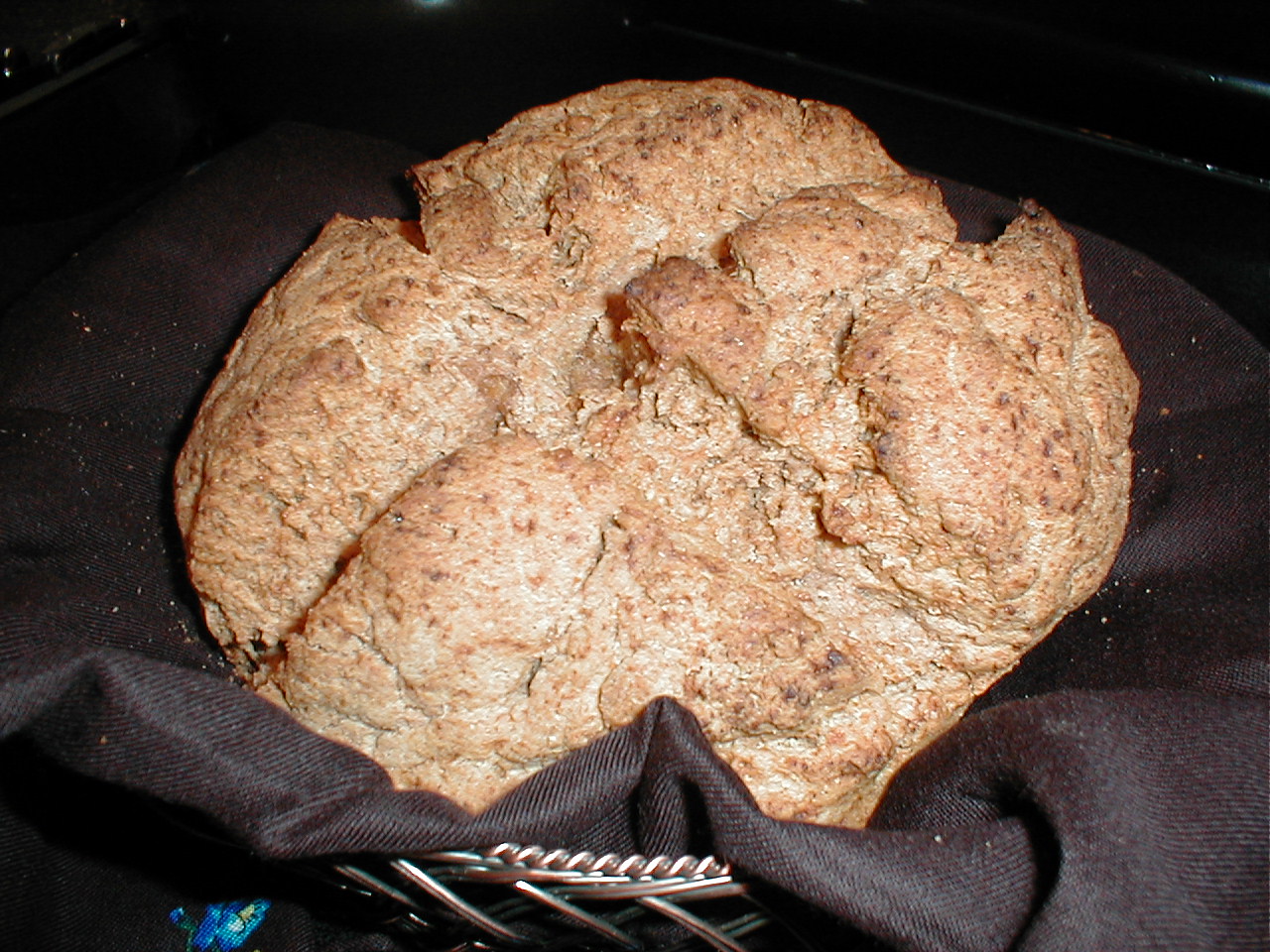 Soda breadVegetarian
🇮🇪 Ireland and 4 moreQuick bread made with flour, baking soda, salt, and buttermilk
Bread
Soda breadVegetarian
🇮🇪 Ireland and 4 moreQuick bread made with flour, baking soda, salt, and buttermilk
Bread
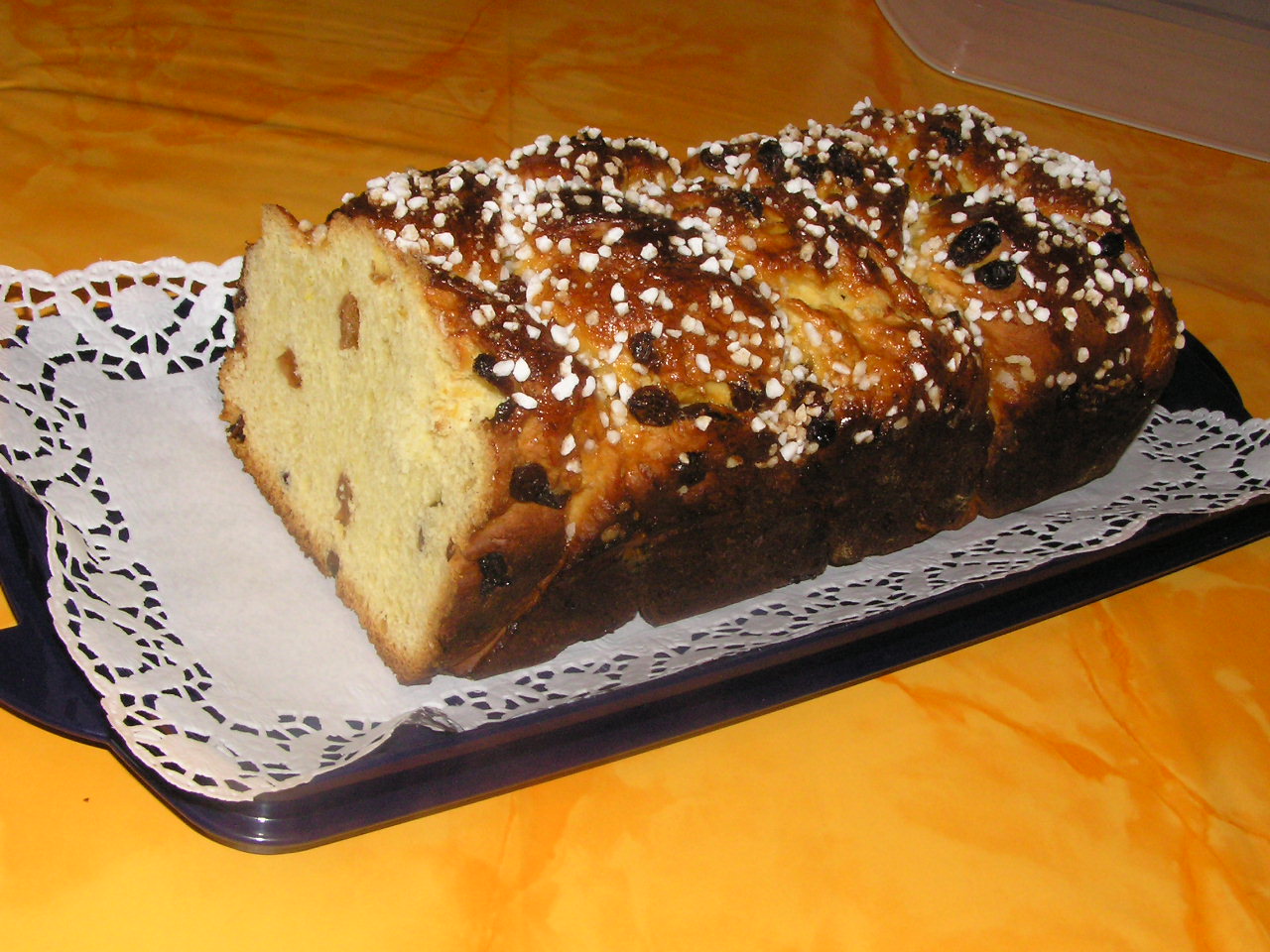 Cozonac
🇷🇴 Romania and 4 moreA sweet, enriched bread often filled with nuts or dried fruit, baked for Easter
Sweet or dessert, Tea time, Snacks
Cozonac
🇷🇴 Romania and 4 moreA sweet, enriched bread often filled with nuts or dried fruit, baked for Easter
Sweet or dessert, Tea time, Snacks
 GoulashMeatgulyás
🇭🇺 Hungary and 5 moreA paprika-spiced meat and vegetable soup from Hungary
Soup, Lunch, Dinner
GoulashMeatgulyás
🇭🇺 Hungary and 5 moreA paprika-spiced meat and vegetable soup from Hungary
Soup, Lunch, Dinner
Its cousins elsewhere
All breads PitaVegan
🇪🇬 Egypt and 5 moreRound, leavened flatbread baked from wheat flour, common across the Middle East and Mediterranean
Bread
PuriVegan
🇮🇳 India and 2 moreUnleavened wheat flatbread, deep-fried until puffed and golden
Bread, Breakfast, Snacks
PitaVegan
🇪🇬 Egypt and 5 moreRound, leavened flatbread baked from wheat flour, common across the Middle East and Mediterranean
Bread
PuriVegan
🇮🇳 India and 2 moreUnleavened wheat flatbread, deep-fried until puffed and golden
Bread, Breakfast, Snacks
 SimitVegan
🇹🇷 Turkey and 5 moreRing-shaped bread with a sesame seed crust, sold by street vendors
Bread, Breakfast, Snacks
SimitVegan
🇹🇷 Turkey and 5 moreRing-shaped bread with a sesame seed crust, sold by street vendors
Bread, Breakfast, Snacks