
Pörkölt
Hungarian stew of meat, paprika and onion, simmered with vegetables
Pörkölt is a Hungarian stew made with boneless meat, paprika, onion and often vegetables. It is a staple in Hungary and also enjoyed in Croatia, Romania, Serbia and Slovakia. The dish is typically served with pasta, dumplings or potatoes, and has many regional and ingredient-based variations.
- Pörkölt is a staple stew in Hungary made with boneless meat and paprika.
- It is commonly served with pasta, dumplings or potatoes.
- Any kind of meat can be used, including beef, pork, chicken or even tripe.
- The quality of paprika is crucial for its flavor and color.
- Variations exist across Hungary and neighboring countries.
What is Pörkölt?
Pörkölt is a Hungarian stew built around boneless meat, usually beef, pork, lamb or chicken, cooked with onion and sweet paprika powder. Vegetables such as tomato, green pepper, and garlic are often added, along with herbs like marjoram. The stew is known for its rich, red color from the paprika and its hearty, savory taste. It is typically served with pasta, dumplings, or potatoes, and sometimes accompanied by pickles. The texture is thick but not heavy, with tender pieces of meat and a sauce that clings to the side dish.
Where does Pörkölt come from?
Pörkölt comes from Hungary and is considered one of its national dishes, alongside gulyás and paprikás. The name means 'roasted', referring to the initial step of frying onions and meat. While it is closely related to other Hungarian stews, pörkölt is distinct for using boneless meat and a focus on paprika. The dish has spread to neighboring countries, where it has been adapted to local tastes and ingredients. Regional versions and ingredient swaps are common, reflecting the dish's flexibility and popularity.
How is Pörkölt made?
To make pörkölt, onions are first fried in lard or oil. Paprika powder is then quickly stirred in, followed by the meat, which is seared to keep its juices. Water is added in the same volume as the meat, and the stew is simmered slowly with little liquid. Tomatoes, green pepper, marjoram and garlic may be added for extra flavor. The stew is never thickened with flour. The quality of the paprika is key to the finished taste and color.


How and when is Pörkölt eaten?
Pörkölt is usually eaten as a main dish at lunch or dinner. In Hungary, it is served with pasta, tarhonya (large pasta grains), galuska or nokedli (types of dumplings), or boiled potatoes. Pickles are a common side. The dish is a regular part of everyday meals and is also made by Romani communities in their own style. In Slovakia, it is paired with Halušky dumplings, while in Transylvania, polenta or potatoes are common accompaniments.
Kinds of Pörkölt
There are many versions of pörkölt, depending on the region and the meat used. While beef and pork are most common, chicken, lamb, game, tripe (in pacalpörkölt), and even liver can be used. Gombapörkölt is a vegetarian variant made with mushrooms. In Transylvania, a related stew called tokány uses less paprika and more black pepper and herbs, sometimes with mixed meats and wild mushrooms. Each region adapts the dish to local ingredients and preferences.
What Pörkölt means
Pörkölt is a symbol of Hungarian home cooking and national pride, often mentioned alongside gulyás and paprikás. It is an everyday food, but its preparation and serving are seen as a mark of hospitality and tradition. The dish is also popular in neighboring countries, where it has been embraced and adapted. Romani people in Hungary have their own versions, adding to its cultural significance. Pörkölt is widely recognized as part of Hungary’s culinary identity.
Questions people ask about Pörkölt
What is pörkölt made of?
Pörkölt is made with boneless meat, onion, sweet paprika powder, and often vegetables like tomato and green pepper. Marjoram and garlic are common additions, and the type of meat can vary.
Where does pörkölt come from?
Pörkölt originates from Hungary and is considered a national dish there. It is also popular in neighboring countries such as Slovakia, Croatia, Romania, and Serbia.
How is pörkölt different from gulyás or paprikás?
Pörkölt uses boneless meat and less liquid than gulyás, which is more like a soup. Paprikás is similar but includes sour cream and usually fewer vegetables.
What do you eat with pörkölt?
Pörkölt is typically served with pasta, tarhonya, galuska or nokedli dumplings, or boiled potatoes. Pickles are a common side dish.
Are there vegetarian versions of pörkölt?
Yes, gombapörkölt is a version made with mushrooms instead of meat, following the same basic method and seasonings.
Good reading and sources
The facts on this page come from the Wikipedia article "Pörkölt", written by its contributors and used under the CC BY-SA 4.0 licence, and from its Wikidata record (CC0). Thali rewrote the text in its own words, with AI assistance, and compares every page with the article to make sure no passage is copied. It may be reused under the same CC BY-SA 4.0 licence with a link back.
It may contain mistakes, and it is not dietary or allergy advice: recipes differ from cook to cook. If something is wrong, tell us. Last refreshed 2026-10-03.
More from Hungary
All the food of Hungary GoulashMeatgulyás
🇭🇺 Hungary and 5 moreA paprika-spiced meat and vegetable soup from Hungary
Soup, Lunch, Dinner
GoulashMeatgulyás
🇭🇺 Hungary and 5 moreA paprika-spiced meat and vegetable soup from Hungary
Soup, Lunch, Dinner
 Foie grasMeat
🇫🇷 France and 5 moreFattened duck or goose liver, a French delicacy served whole or as a spread
Main dish, Lunch, Dinner
Foie grasMeat
🇫🇷 France and 5 moreFattened duck or goose liver, a French delicacy served whole or as a spread
Main dish, Lunch, Dinner
 Cabbage roll
🇺🇦 Ukraine and 5 moreCooked cabbage leaves wrapped around seasoned fillings, simmered or baked
Main dish, Lunch, Dinner
Cabbage roll
🇺🇦 Ukraine and 5 moreCooked cabbage leaves wrapped around seasoned fillings, simmered or baked
Main dish, Lunch, Dinner
 SpätzleSpätzla
🇩🇪 Germany and 5 moreIrregular egg noodles from Swabia, served as a side or main dish
Main dish, Lunch, Dinner
SpätzleSpätzla
🇩🇪 Germany and 5 moreIrregular egg noodles from Swabia, served as a side or main dish
Main dish, Lunch, Dinner
Its cousins elsewhere
All stews and curries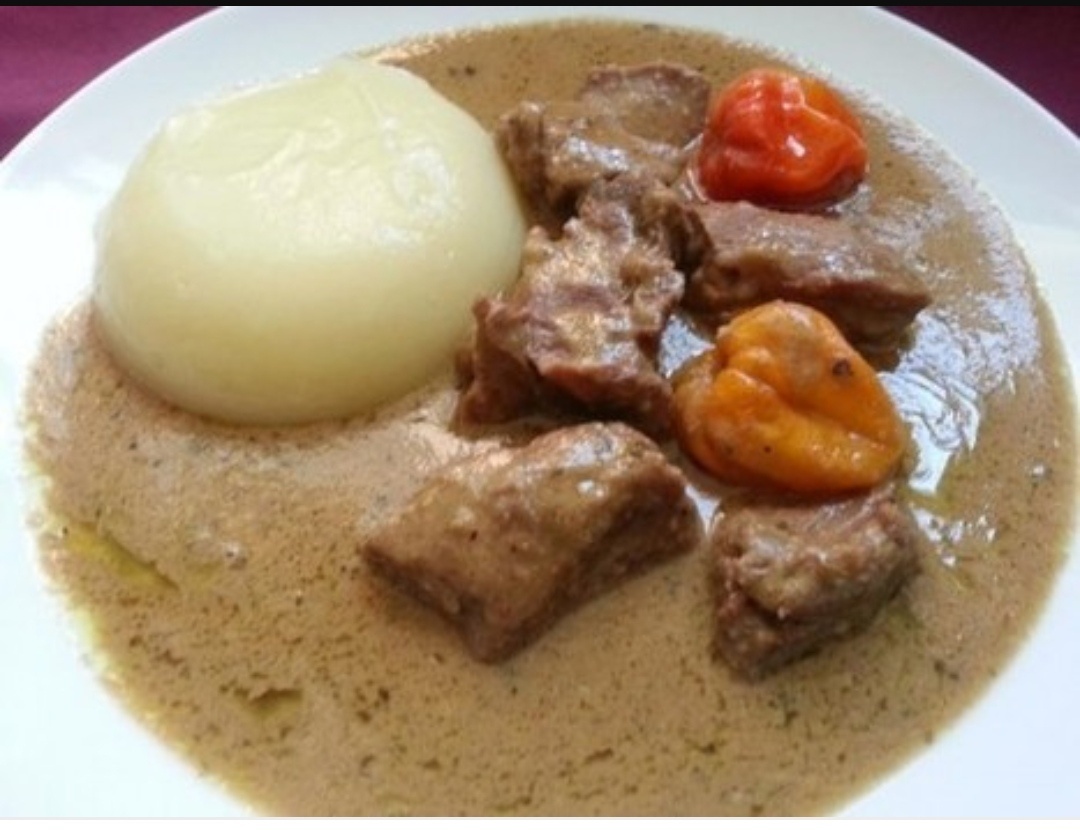 Peanut stew
🇸🇳 Senegal and 5 moreA rich West African stew of meat and vegetables in a spiced peanut sauce
Stew or curry, Lunch, Dinner
Peanut stew
🇸🇳 Senegal and 5 moreA rich West African stew of meat and vegetables in a spiced peanut sauce
Stew or curry, Lunch, Dinner
 Chili con carneMeat
🇲🇽 Mexico and 1 moreA spicy stew of meat and chili peppers from Mexico and the United States
Main dish, Lunch, Dinner
Chili con carneMeat
🇲🇽 Mexico and 1 moreA spicy stew of meat and chili peppers from Mexico and the United States
Main dish, Lunch, Dinner
 Sinigang
🇵🇭 PhilippinesA Filipino soup or stew with a tangy broth, often made with tamarind
Soup, Lunch, Dinner
Sinigang
🇵🇭 PhilippinesA Filipino soup or stew with a tangy broth, often made with tamarind
Soup, Lunch, Dinner
 SaltahMeatسلتة
🇾🇪 YemenYemen’s national stew of meat broth, fenugreek froth, and spicy salsa
Stew or curry, Lunch
SaltahMeatسلتة
🇾🇪 YemenYemen’s national stew of meat broth, fenugreek froth, and spicy salsa
Stew or curry, Lunch