
Fanesca
Ecuadorian soup with grains, pumpkin, and salt cod, served at Easter
Fanesca is a special soup from Ecuador, made with a mix of local beans, grains, pumpkin, and salt cod cooked in milk. Prepared only during Holy Week, it is a dish with deep religious meaning, eaten by families and communities at Easter to give thanks and celebrate together.
- Made only during Holy Week in Ecuador
- Contains twelve types of beans and grains
- Salt cod is included for religious reasons
- Each ingredient has symbolic meaning
- Shared by families as a festive meal
What is Fanesca?
Fanesca is a thick, hearty soup made with a blend of local beans and grains, chunks of pumpkin, and a type of gourd called sambo. Salted cod, softened in milk, is added for flavor and protein. The soup is often finished with toppings such as hard-boiled eggs, fried plantains, fresh herbs, and sometimes small fried cheese pastries. Each ingredient is chosen for its meaning and taste, making the dish both symbolic and filling.
Where does Fanesca come from?
Fanesca has roots in both indigenous and Catholic traditions in Ecuador. Before Spanish colonization, local people marked the March equinox with a festival called Muchuc Nina, preparing a stew of young grains and Andean squash. When Catholicism arrived, this custom blended with Holy Week observances. The Spanish introduced new ingredients like beans, lentils, dairy, and salt fish, shaping fanesca into the soup known today. By the 1800s, it was already a central part of Easter in Quito.
How is Fanesca made?
Preparing fanesca is a detailed process, often taking many hands. Families soak and cook a dozen types of beans and grains, such as lupines, fava beans, lentils, peas, and corn. Pumpkin and figleaf gourd are simmered until soft. Salt cod is soaked to remove excess salt, then cooked in milk. Everything is combined into a rich, creamy soup. The final bowl is decorated with eggs, plantains, herbs, and sometimes cheese pastries, with each cook adding their own touches.
How and when is Fanesca eaten?
Fanesca is served at midday, the main meal time in Ecuador, especially during Holy Week. It is a dish meant for sharing, with families and neighbors gathering to cook and eat together. The soup is eaten as a festive meal, often accompanied by conversation and celebration. Its rich ingredients make it filling, and the toppings add color and variety to each bowl.
Kinds of Fanesca
The recipe for fanesca changes from one region or family to another. Some cooks use different combinations of beans or grains, and the types of herbs and toppings can vary. In some places, cheese pastries are added, while others prefer extra herbs or more plantain. The dish is most common in Ecuador’s northern highlands, with less emphasis in the south and coastal regions.
What Fanesca means
Fanesca is more than just food; it is a symbol of Ecuadorian identity and religious devotion. Each ingredient has a meaning, representing figures from Christian tradition. Making and eating fanesca is a way to mark Holy Week, blending old indigenous customs with Catholic beliefs. The soup brings people together, reinforcing family and community ties each year.
When Fanesca is on the table
Questions people ask about Fanesca
What is fanesca made of?
Fanesca is prepared with a mix of beans, grains, pumpkin, figleaf gourd, and salt cod cooked in milk. The soup is often finished with toppings like hard-boiled eggs, fried plantains, herbs, and sometimes cheese pastries.
Where does fanesca come from?
Fanesca comes from Ecuador. Its origins combine indigenous harvest celebrations and Catholic Holy Week traditions, especially in the northern highlands.
When is fanesca eaten?
Fanesca is eaten during Holy Week, especially on Good Friday. It is a festive meal shared by families and communities in Ecuador.
Why does fanesca include salt cod?
Salt cod is used in fanesca because Catholic tradition avoids red meat during Holy Week. The fish also carries symbolic meaning, representing Jesus.
What is the meaning behind the ingredients in fanesca?
Each ingredient in fanesca represents a religious figure or idea, such as the twelve apostles or Jesus. The soup is both a meal and a symbol of faith and community.
Good reading and sources
The facts on this page come from the Wikipedia article "Fanesca", written by its contributors and used under the CC BY-SA 4.0 licence, and from its Wikidata record (CC0). Thali rewrote the text in its own words, with AI assistance, and compares every page with the article to make sure no passage is copied. It may be reused under the same CC BY-SA 4.0 licence with a link back.
It may contain mistakes, and it is not dietary or allergy advice: recipes differ from cook to cook. If something is wrong, tell us. Last refreshed 2026-10-03.
More from Ecuador
All the food of Ecuador EncebolladoFish or seafood
🇪🇨 EcuadorEcuadorian fish stew with onions, cassava and pickled red onion rings
Main dish, Breakfast, Lunch
EncebolladoFish or seafood
🇪🇨 EcuadorEcuadorian fish stew with onions, cassava and pickled red onion rings
Main dish, Breakfast, Lunch
 Sopa de pataMeat
🇸🇻 El Salvador and 1 moreSalvadoran soup with cow’s feet, tripe, yuca and vegetables
Soup, Lunch, Dinner
Sopa de pataMeat
🇸🇻 El Salvador and 1 moreSalvadoran soup with cow’s feet, tripe, yuca and vegetables
Soup, Lunch, Dinner
 Chocolate
🇨🇮 Ivory Coast and 5 moreA sweet or bitter food made from processed cocoa beans, enjoyed in many forms worldwide
Sweet or dessert, Snacks
Chocolate
🇨🇮 Ivory Coast and 5 moreA sweet or bitter food made from processed cocoa beans, enjoyed in many forms worldwide
Sweet or dessert, Snacks
 PachamancaMeat
🇵🇪 Peru and 1 moreAndean meats and vegetables slow-cooked with hot stones in an earthen oven
Main dish, Lunch, Dinner
PachamancaMeat
🇵🇪 Peru and 1 moreAndean meats and vegetables slow-cooked with hot stones in an earthen oven
Main dish, Lunch, Dinner
Its cousins elsewhere
All soups DalVeganदाल
🇮🇳 India and 5 moreSoupy dish made from split lentils, peas or beans, a staple across South Asia
Main dish, Lunch, Dinner
DalVeganदाल
🇮🇳 India and 5 moreSoupy dish made from split lentils, peas or beans, a staple across South Asia
Main dish, Lunch, Dinner
 MinestroneVegetarian
🇮🇹 ItalyHearty Italian vegetable soup with beans, pasta or rice
Soup, Lunch, Dinner
MinestroneVegetarian
🇮🇹 ItalyHearty Italian vegetable soup with beans, pasta or rice
Soup, Lunch, Dinner
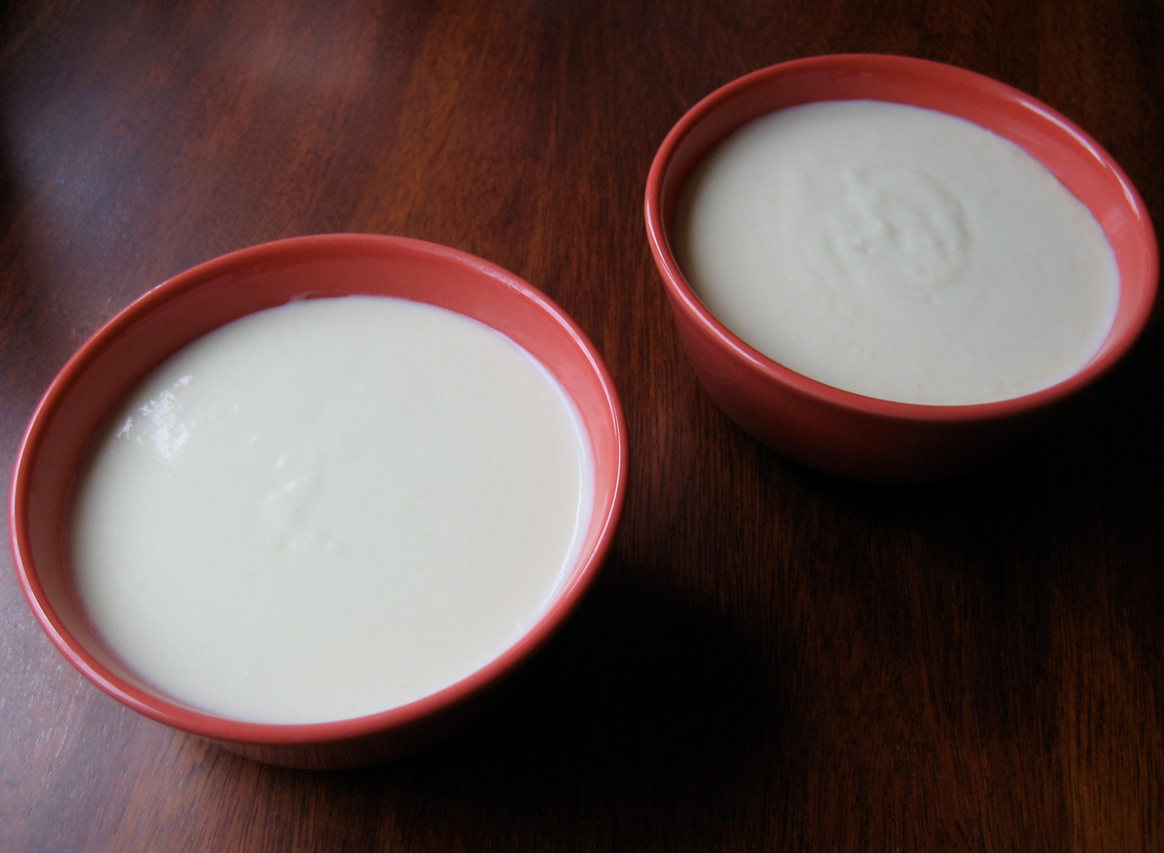 VichyssoiseVegetarian
🇫🇷 FranceChilled soup of puréed leek, potato, onion and cream
Soup
VichyssoiseVegetarian
🇫🇷 FranceChilled soup of puréed leek, potato, onion and cream
Soup
 HaleemMeat
🇮🇳 India and 7 moreA slow-cooked stew of wheat, lentils, meat and spices
Stew or curry, Breakfast, Lunch
HaleemMeat
🇮🇳 India and 7 moreA slow-cooked stew of wheat, lentils, meat and spices
Stew or curry, Breakfast, Lunch