
Fårikål
Mutton and cabbage stew, Norway’s national dish
Fårikål is a traditional Norwegian stew made with mutton on the bone, cabbage, whole black pepper and sometimes wheat flour, simmered for hours and served with boiled potatoes. It is especially popular in early autumn, when most Norwegians eat it at least once, and is celebrated with an annual Fårikål Feast Day.
- Norway’s national dish, chosen by popular vote
- Made with mutton, cabbage and black pepper
- Served with potatoes boiled in their skins
- Fårikål Feast Day is the last Thursday in September
- Oslo set a world record with 594.2 kg of fårikål in 2012
What is Fårikål?
Fårikål is a Norwegian stew built from large pieces of mutton on the bone, layered with wedges of cabbage and scattered with whole black peppercorns. Sometimes a little wheat flour is added to thicken the broth. The stew is cooked slowly for several hours, letting the meat become tender and the cabbage soak up the flavors. It is always served with potatoes, which are boiled in their skins. The dish is rustic and simple, with a clear broth and a hearty, meaty taste.
Where does Fårikål come from?
The name 'fårikål' literally means 'mutton in cabbage' in Norwegian. It was adapted from the Danish dish 'gås i hvidkål', which means 'goose in white cabbage'. Over time, Norwegians replaced goose with mutton, making it their own. Fårikål became especially associated with the autumn season, when fresh lamb and cabbage are available. In the 1970s, it was chosen as Norway’s national dish by popular vote, and this status was reaffirmed in 2014.
How is Fårikål made?
To make fårikål, cooks layer pieces of mutton with bone and chopped cabbage in a large pot. Whole black peppercorns are sprinkled between the layers, and sometimes a bit of wheat flour is added. Water is poured over, and the pot is covered and simmered for several hours. The slow cooking allows the flavors to blend and the meat to soften. The stew is served with potatoes that have been boiled in their skins.
How and when is Fårikål eaten?
Fårikål is most often eaten for dinner, especially in early autumn when both lamb and cabbage are in season. It is a dish for sharing with family or friends, often as a weekend or festive meal. On Fårikål Feast Day, many Norwegians prepare and eat it together. Potatoes, boiled whole, are the usual side, and the dish is served straight from the pot at the table.
Kinds of Fårikål
The classic version uses mutton, but some cooks may use lamb instead. The amount of black pepper and whether to add wheat flour can vary by household. While the basic ingredients stay the same, the balance of meat to cabbage and the thickness of the broth may differ. Large public events have also featured fårikål made in huge quantities, such as the world record stew in Oslo.
What Fårikål means
Fårikål is deeply rooted in Norwegian food traditions and is seen as a symbol of national identity. Its status as the national dish was first established in the 1970s and confirmed again in 2014. The last Thursday in September is celebrated as Fårikål Feast Day, when many Norwegians enjoy the dish. In 2012, a world record was set in Oslo for the largest portion of fårikål ever made, serving thousands of people.
Questions people ask about Fårikål
What is fårikål made of?
Fårikål is made from pieces of mutton on the bone, cabbage, whole black peppercorns, and sometimes a little wheat flour. It is usually served with potatoes boiled in their skins.
Where does fårikål come from?
Fårikål comes from Norway and is considered the country’s national dish. It has roots in a Danish dish that used goose, but Norwegians adapted it with mutton.
When is fårikål usually eaten?
Fårikål is most often eaten in early autumn, especially around the time of Fårikål Feast Day, which falls on the last Thursday in September.
How is fårikål served?
Fårikål is served as a stew, with the meat and cabbage ladled from the pot. It is always accompanied by potatoes that have been boiled in their skins.
Is fårikål a festival or everyday dish?
Fårikål is both an everyday and a festive dish. While it is a common autumn meal, it is also celebrated with a special feast day each year.
Good reading and sources
The facts on this page come from the Wikipedia article "Fårikål", written by its contributors and used under the CC BY-SA 4.0 licence, and from its Wikidata record (CC0). Thali rewrote the text in its own words, with AI assistance, and compares every page with the article to make sure no passage is copied. It may be reused under the same CC BY-SA 4.0 licence with a link back.
It may contain mistakes, and it is not dietary or allergy advice: recipes differ from cook to cook. If something is wrong, tell us. Last refreshed 2026-10-03.
More from Norway
All the food of Norway Fish and chipsFish or seafood
🇬🇧 United Kingdom and 8 moreBattered fried fish served hot with thick-cut chips
Main dish, Lunch, Dinner
Fish and chipsFish or seafood
🇬🇧 United Kingdom and 8 moreBattered fried fish served hot with thick-cut chips
Main dish, Lunch, Dinner
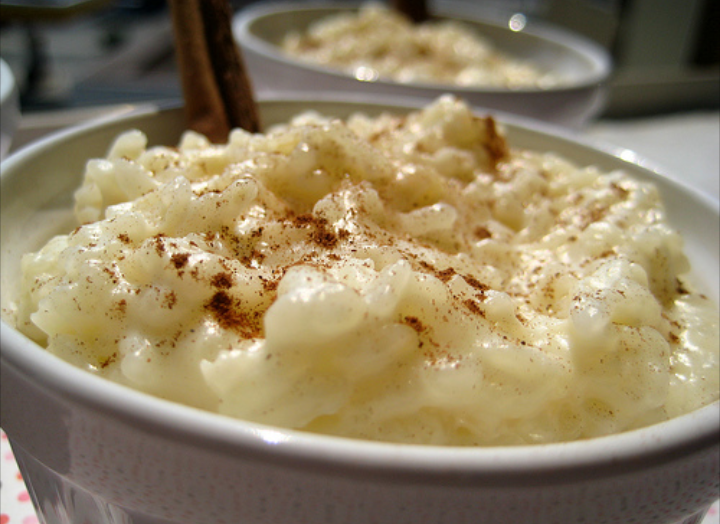 Rice pudding
🇮🇳 India and 4 moreSweetened rice cooked in milk, found in many forms worldwide
Sweet or dessert, Breakfast, Lunch
Rice pudding
🇮🇳 India and 4 moreSweetened rice cooked in milk, found in many forms worldwide
Sweet or dessert, Breakfast, Lunch
 Smörgåsbord
🇸🇪 Sweden and 2 moreA Swedish buffet meal with a spread of cold and hot dishes
Main dish, Lunch, Dinner
Smörgåsbord
🇸🇪 Sweden and 2 moreA Swedish buffet meal with a spread of cold and hot dishes
Main dish, Lunch, Dinner
 GravlaxFish or seafood
🇸🇪 Sweden and 3 moreSalmon cured with salt, sugar and dill, sliced thin and served with mustard-dill sauce
Main dish, Lunch, Dinner
GravlaxFish or seafood
🇸🇪 Sweden and 3 moreSalmon cured with salt, sugar and dill, sliced thin and served with mustard-dill sauce
Main dish, Lunch, Dinner
Its cousins elsewhere
All stews and curries PitiMeat
🇦🇿 Azerbaijan and 3 moreMutton and chickpea stew slow-cooked in a sealed crock
Stew or curry, Lunch, Dinner
PotjiekosMeat
🇿🇦 South AfricaSouth African outdoor stew slow-cooked in a cast iron pot
Stew or curry
PitiMeat
🇦🇿 Azerbaijan and 3 moreMutton and chickpea stew slow-cooked in a sealed crock
Stew or curry, Lunch, Dinner
PotjiekosMeat
🇿🇦 South AfricaSouth African outdoor stew slow-cooked in a cast iron pot
Stew or curry
 MechadoMeat
🇵🇭 PhilippinesFilipino beef braised in soy sauce, calamansi, and tomato sauce
Main dish, Lunch, Dinner
MechadoMeat
🇵🇭 PhilippinesFilipino beef braised in soy sauce, calamansi, and tomato sauce
Main dish, Lunch, Dinner
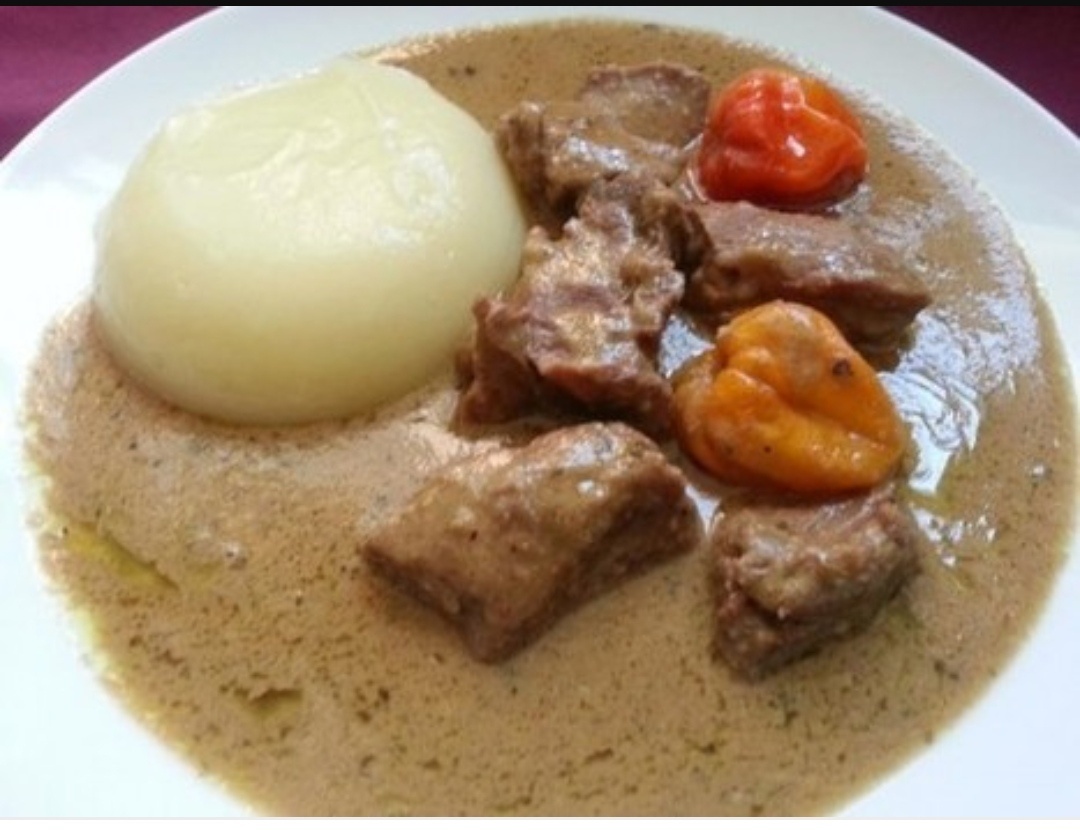 Peanut stew
🇸🇳 Senegal and 5 moreA rich West African stew of meat and vegetables in a spiced peanut sauce
Stew or curry, Lunch, Dinner
Peanut stew
🇸🇳 Senegal and 5 moreA rich West African stew of meat and vegetables in a spiced peanut sauce
Stew or curry, Lunch, Dinner