
Gimbap
In its own language: 김밥
Cooked rice and fillings rolled in seaweed and sliced into rounds
Gimbap is a Korean dish where cooked rice and various fillings are rolled in sheets of dried seaweed, then sliced into bite-sized pieces. Common fillings include vegetables, egg, and sometimes seafood or meat. It is a popular choice for packed meals, picnics, and as a quick lunch or snack, both in South Korea and abroad.
- Gimbap uses seasoned rice and fillings rolled in dried seaweed sheets
- It is a popular choice for picnics and packed lunches in Korea
- Fillings can include vegetables, egg, seafood, or meat
- Chungmu-gimbap and samgak-gimbap are well-known variants
- Frozen gimbap is now sold internationally
What is Gimbap?
Gimbap consists of cooked rice and a mix of fillings, such as vegetables, egg strips, seafood, or meat, all wrapped in a sheet of dried seaweed called gim. The roll is cut into small, round pieces for easy eating. The rice is usually seasoned with sesame oil and salt, giving it a savory taste. Fillings often include items like pickled radish, spinach, carrot, and sometimes beef, tuna, or imitation crab. The dish is colorful, with the dark green seaweed on the outside and a variety of colors from the fillings inside.
Where does Gimbap come from?
There are different views about where gimbap comes from. Some believe it was influenced by Japanese makizushi, brought to Korea during the Japanese occupation in the early 20th century. Others point to older Korean customs of rolling rice and side dishes in seaweed, with records of similar foods going back to the Joseon era. Over time, gimbap developed its own style, using Korean seasonings like sesame oil instead of vinegar, and became a distinct part of Korean food culture.
How is Gimbap made?
To prepare gimbap, sheets of dried seaweed are lightly toasted. Cooked short-grain rice is seasoned with sesame oil and salt. Fillings such as vegetables, egg, and sometimes cooked seafood or meat are prepared, often by stir-frying or blanching. The rice is spread thinly on the seaweed, fillings are arranged on top, and everything is rolled up tightly using a bamboo mat. The roll is then sliced into rounds, ready to eat.


How and when is Gimbap eaten?
Gimbap is commonly packed for picnics, school lunches, or outdoor events. It is also a popular takeout item and is often eaten as a light lunch or snack. In Korea, it is frequently served with sides like danmuji (yellow pickled radish) or kimchi. Gimbap can be enjoyed on its own or paired with dishes such as tteokbokki (spicy rice cakes) or ramyeon (noodle soup) in casual eateries.
Kinds of Gimbap
There are many types of gimbap. Chungmu-gimbap has only rice inside and is served with spicy squid salad and radish kimchi. Samgak-gimbap is a triangle-shaped version, often sold in convenience stores with a wide range of fillings. Modern versions can be vegetarian, vegan, or use ingredients like cheese or spicy tuna. Some pieces may be coated in egg and lightly fried, especially when using leftover gimbap.
What Gimbap means
Gimbap is a familiar sight in Korean daily life, from school trips to office lunches. It is a staple of bunsik shops, which serve affordable snacks and light meals. The dish has also gained popularity overseas, with frozen versions exported to countries like the United States, Japan, and China. Its name became standard in Korea as part of efforts to use native terms after the colonial period.
Questions people ask about Gimbap
What is gimbap made of?
Gimbap is made with cooked rice, dried seaweed sheets, and a variety of fillings such as vegetables, egg, seafood, or meat. The rice is seasoned with sesame oil and salt, and the roll is sliced into bite-sized pieces.
Where does gimbap come from?
Gimbap is from Korea. Its origins are debated, with some linking it to Japanese makizushi and others to older Korean traditions of rolling rice and side dishes in seaweed.
How is gimbap different from sushi?
Gimbap usually uses sesame oil and salt to season the rice, while sushi rice is seasoned with vinegar. Gimbap fillings often include cooked or pickled items, and it reflects Korean flavors.
When is gimbap typically eaten?
Gimbap is often eaten as a lunch or snack, especially during picnics, school outings, or as a convenient takeout meal.
Are there vegetarian or vegan gimbap options?
Yes, many versions of gimbap use only vegetables, egg, or plant-based fillings, making vegetarian and vegan options widely available.
Good reading and sources
The facts on this page come from the Wikipedia article "Gimbap", written by its contributors and used under the CC BY-SA 4.0 licence, and from its Wikidata record (CC0). Thali rewrote the text in its own words, with AI assistance, and compares every page with the article to make sure no passage is copied. It may be reused under the same CC BY-SA 4.0 licence with a link back.
It may contain mistakes, and it is not dietary or allergy advice: recipes differ from cook to cook. If something is wrong, tell us. Last refreshed 2026-10-03.
More from South Korea
All the food of South Korea KabochaVeganカボチャ
🇯🇵 Japan and 5 moreA sweet, dense winter squash with edible skin, used in Japanese and Asian cooking
Main dish, Lunch, Dinner
KabochaVeganカボチャ
🇯🇵 Japan and 5 moreA sweet, dense winter squash with edible skin, used in Japanese and Asian cooking
Main dish, Lunch, Dinner
 Bibimbap비빔밥
🇰🇷 South Korea and 1 moreKorean rice bowl with mixed vegetables, meat, egg and chili paste
Main dish, Lunch, Dinner
Bibimbap비빔밥
🇰🇷 South Korea and 1 moreKorean rice bowl with mixed vegetables, meat, egg and chili paste
Main dish, Lunch, Dinner
 Udonうどん / 饂飩
🇯🇵 Japan and 4 moreThick wheat noodles served hot or cold in Japanese cooking
Noodle or pasta dish, Lunch, Dinner
Udonうどん / 饂飩
🇯🇵 Japan and 4 moreThick wheat noodles served hot or cold in Japanese cooking
Noodle or pasta dish, Lunch, Dinner
Its cousins elsewhere
All main dishes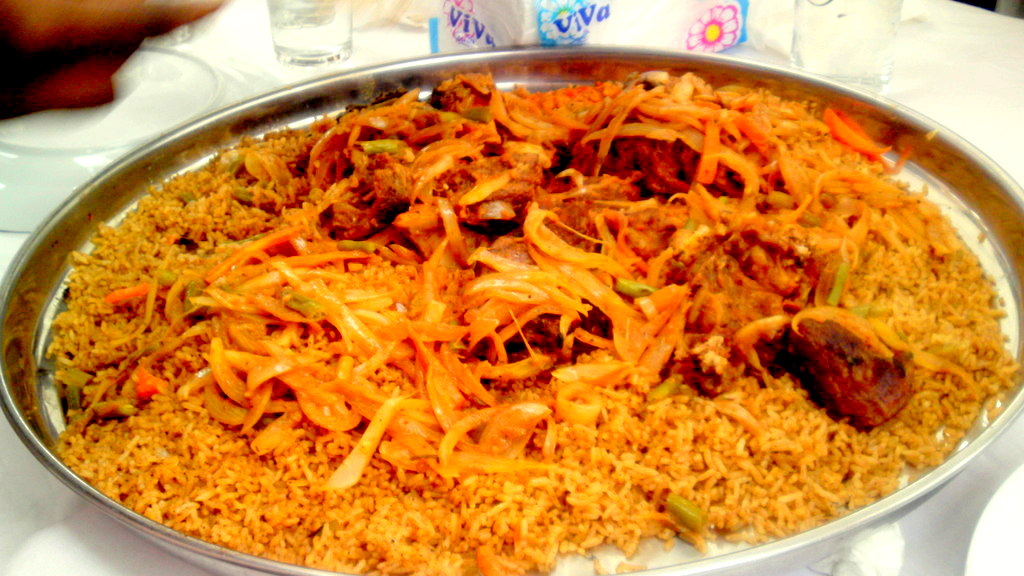 Riz grasMeat
🇧🇫 Burkina Faso and 4 moreWest African rice cooked with meat and vegetables, served hot
Main dish, Lunch, Dinner
Riz grasMeat
🇧🇫 Burkina Faso and 4 moreWest African rice cooked with meat and vegetables, served hot
Main dish, Lunch, Dinner
 Pâté
🇫🇷 France and 5 moreA smooth or coarse spread made from minced meat, liver, or vegetables
Sauce, pickle or ferment
Pâté
🇫🇷 France and 5 moreA smooth or coarse spread made from minced meat, liver, or vegetables
Sauce, pickle or ferment
 Cabbage roll
🇺🇦 Ukraine and 5 moreCooked cabbage leaves wrapped around seasoned fillings, simmered or baked
Main dish, Lunch, Dinner
Cabbage roll
🇺🇦 Ukraine and 5 moreCooked cabbage leaves wrapped around seasoned fillings, simmered or baked
Main dish, Lunch, Dinner
 AspicMeat
🇫🇷 France and 5 moreMeat or fish set in savoury gelatin, served cold as an appetizer or festive dish
Main dish, Lunch, Dinner
AspicMeat
🇫🇷 France and 5 moreMeat or fish set in savoury gelatin, served cold as an appetizer or festive dish
Main dish, Lunch, Dinner