
Soured milk
Milk thickened and preserved by natural fermentation with wild bacteria
Soured milk is milk that has thickened and turned tart through fermentation by native bacteria, mainly lactic acid bacteria. This process, common before refrigeration, preserves the milk and gives it a tangy taste. It is found in many food traditions, including Russia, Ukraine, Ireland, and parts of Africa.
- Made by fermenting milk with wild lactic acid bacteria
- Thickens and turns tart as it sours
- Found in Russia, Ukraine, Ireland, and many other places
- Used for drinking and cooking
- Preserves milk before refrigeration
What is Soured milk?
Soured milk is made when fresh milk is left to ferment naturally, allowing wild lactic acid bacteria to grow. These bacteria convert the milk sugar (lactose) into lactic acid, which thickens the milk and gives it a sour, tangy flavor. The result is a product that is thicker than fresh milk, with a tart taste and a creamy texture. It is not the same as spoiled milk, as the fermentation process preserves the milk and prevents the growth of harmful bacteria.
Where does Soured milk come from?
Before refrigeration, milk often soured naturally before it could be used, leading to the development of soured milk in many cultures. People in Russia, Ukraine, Ireland, Hungary, Germany, Lithuania, Egypt, Kenya, and Finland have traditional forms of this food, each with its own local name. The process uses bacteria already present in the milk or environment, rather than adding a starter culture, making it distinct from modern cultured dairy products.
How is Soured milk made?
To make soured milk, raw milk is left at room temperature, allowing naturally occurring bacteria to ferment it. As the bacteria multiply, they produce lactic acid, which causes the milk to thicken and develop a sour flavor. This process also helps preserve the milk by making it less hospitable to spoilage organisms. No special equipment or added cultures are needed, just time and a clean container.
How and when is Soured milk eaten?
Soured milk can be drunk on its own or used in cooking and baking. In many places, it is enjoyed as a drink or poured over bread or grains. It is also used in recipes that call for a tangy flavor or thicker texture, such as pancakes or baked goods. Its use was especially common before refrigeration, as it allowed milk to be kept longer.
Kinds of Soured milk
Different regions have their own versions of soured milk, such as prostokvasha in Russia, kysliak in Ukraine, clabber in Ireland, Dickmilch in Germany, rūgpienis in Lithuania, laban rayeb in Egypt, and maziwa lala in Kenya. Each may have slight differences in taste and texture depending on local conditions and milk used.
What Soured milk means
Soured milk has been a staple in many cultures, valued for its ability to preserve milk and provide a source of nutrition. It is used in daily life and traditional recipes, especially where refrigeration was not available. Its role as a preserved food made it important in rural and farming communities.
Questions people ask about Soured milk
What is soured milk made of?
Soured milk is made from fresh milk that ferments naturally with wild lactic acid bacteria, which thicken the milk and give it a sour taste.
Where does soured milk come from?
Soured milk is traditional in many countries, including Russia, Ukraine, Ireland, Hungary, Germany, Lithuania, Egypt, Kenya, and Finland.
How is soured milk different from spoiled milk?
Soured milk is fermented by beneficial bacteria, which preserve it and prevent harmful bacteria from growing. Spoiled milk, in contrast, results from uncontrolled spoilage and is not safe to eat.
How is soured milk used?
It can be drunk as a beverage or used in cooking and baking, especially in recipes that benefit from its tangy flavor and thick texture.
What does soured milk taste like?
It has a tart, tangy flavor and a thicker, creamier texture than fresh milk, due to the lactic acid produced during fermentation.
Good reading and sources
The facts on this page come from the Wikipedia article "Soured milk", written by its contributors and used under the CC BY-SA 4.0 licence, and from its Wikidata record (CC0). Thali rewrote the text in its own words, with AI assistance, and compares every page with the article to make sure no passage is copied. It may be reused under the same CC BY-SA 4.0 licence with a link back.
It may contain mistakes, and it is not dietary or allergy advice: recipes differ from cook to cook. If something is wrong, tell us. Last refreshed 2026-10-03.
More from Russia
All the food of Russia VodkaVeganwódka
🇷🇺 Russia and 5 moreA clear spirit distilled from grains or potatoes, known for its neutral taste
Drink
VodkaVeganwódka
🇷🇺 Russia and 5 moreA clear spirit distilled from grains or potatoes, known for its neutral taste
Drink
 KvassVeganквас
🇷🇺 Russia and 5 moreA tangy, slightly sweet fermented drink made from rye bread or flour
Drink
CaviarFish or seafood
🇮🇷 Iran and 5 moreSalt-cured fish roe, most prized from sturgeon of the Caspian and Black Sea
Sauce, pickle or ferment, Snacks
Easter egg
🇷🇺 Russia and 5 moreEggs dyed or decorated for Easter, symbolizing resurrection and new life
Sweet or dessert, Breakfast, Snacks
KvassVeganквас
🇷🇺 Russia and 5 moreA tangy, slightly sweet fermented drink made from rye bread or flour
Drink
CaviarFish or seafood
🇮🇷 Iran and 5 moreSalt-cured fish roe, most prized from sturgeon of the Caspian and Black Sea
Sauce, pickle or ferment, Snacks
Easter egg
🇷🇺 Russia and 5 moreEggs dyed or decorated for Easter, symbolizing resurrection and new life
Sweet or dessert, Breakfast, Snacks
Its cousins elsewhere
All sauces, pickles and ferments Chocolate
🇨🇮 Ivory Coast and 5 moreA sweet or bitter food made from processed cocoa beans, enjoyed in many forms worldwide
Sweet or dessert, Snacks
Chocolate
🇨🇮 Ivory Coast and 5 moreA sweet or bitter food made from processed cocoa beans, enjoyed in many forms worldwide
Sweet or dessert, Snacks
 MuesliMüesli
🇨🇭 Switzerland and 1 moreSwiss cold cereal of soaked oats, fruit, and nuts, eaten for breakfast or supper
Main dish, Breakfast, Supper
MuesliMüesli
🇨🇭 Switzerland and 1 moreSwiss cold cereal of soaked oats, fruit, and nuts, eaten for breakfast or supper
Main dish, Breakfast, Supper
 Dulce de lecheVegetarian
🇦🇷 Argentina and 2 moreA sweet, spreadable milk and sugar confection from Latin America
Sweet or dessert, Snacks, Tea time
Dulce de lecheVegetarian
🇦🇷 Argentina and 2 moreA sweet, spreadable milk and sugar confection from Latin America
Sweet or dessert, Snacks, Tea time
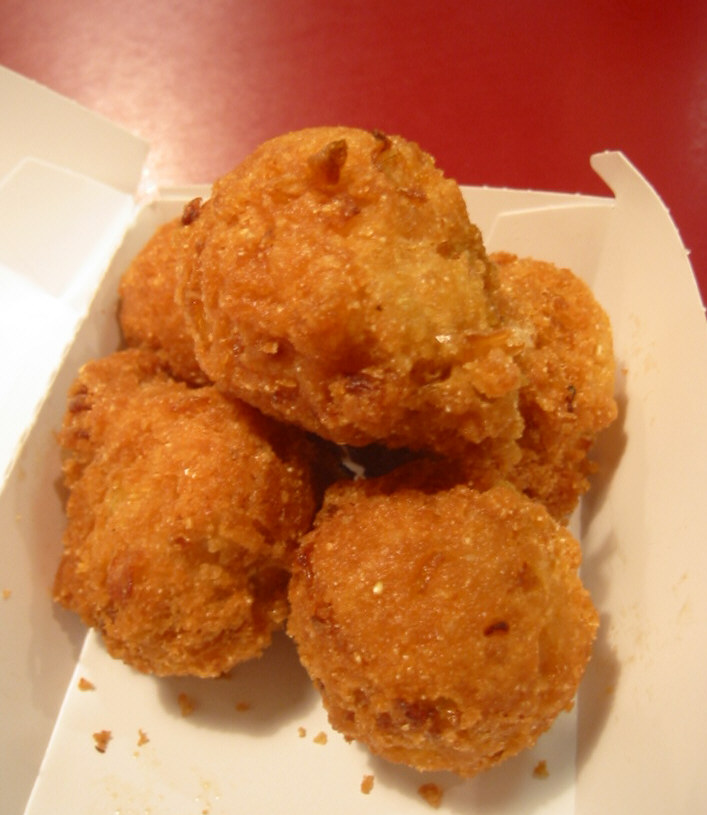 HushpuppyVegetarian
🇺🇸 United StatesDeep-fried cornmeal balls often served with seafood in the Southern United States
Sauce, pickle or ferment, Lunch, Dinner
HushpuppyVegetarian
🇺🇸 United StatesDeep-fried cornmeal balls often served with seafood in the Southern United States
Sauce, pickle or ferment, Lunch, Dinner