
Brie
Soft French cheese with a white edible rind and creamy interior
Brie is a soft cheese made from cow's milk, first created in the Brie region of France. It has a pale, creamy center and a white mould rind, both of which are eaten. Brie is known for its rich, buttery taste with nutty and mushroom-like notes. It is enjoyed as part of meals or snacks and is produced in France and other countries.
- Brie is named after the Brie region in France.
- The cheese has a white, edible mould rind.
- Brie de Meaux and Brie de Melun are AOC-protected varieties.
- Brie is made from cow's milk and matures for several weeks.
- The taste is creamy, nutty, and slightly mushroom-like.
What is Brie?
Brie is a soft cheese made from cow's milk, with a creamy, pale interior and a thin white rind formed by mould. The rind is mild and edible, while the inside is smooth and spreadable. Its taste is often described as buttery, with hints of nuts and mushrooms, and a slight tang. Brie is sold in large wheels or wedges, and the texture can range from slightly firm to almost runny, depending on how long it has matured. The cheese is higher in butterfat than some similar cheeses, giving it a rich mouthfeel.
Where does Brie come from?
Brie takes its name from the Brie region in France, now part of Seine-et-Marne. The cheese has been made there for centuries, with records of Brie de Meaux dating back to the 8th century. Brie de Meaux and Brie de Melun, two traditional types, received French AOC certification in 1980, protecting their names and methods. While the term 'brie' itself is not restricted, only certain regional versions have this official status. Over time, the style has spread, and brie is now produced in many countries.
How is Brie made?
Brie is made by adding rennet to cow's milk, which causes the milk to set into curds. The curds are gently ladled into round moulds in thin layers, then left to drain for many hours. After draining, the cheese is salted and treated with cultures that encourage the growth of white mould on the surface. The cheese matures in cool, controlled spaces for several weeks, during which the rind forms and the inside softens. Longer aging leads to a stronger flavor and drier texture.


How and when is Brie eaten?
Brie is typically served at room temperature, allowing its flavor and texture to develop fully. It can be eaten on its own, with bread or crackers, or as part of a cheese board. The rind is usually eaten along with the soft interior. Brie is sometimes baked whole, which makes the inside very soft and easy to spread. It is enjoyed at lunch, dinner, or as a snack, and pairs well with fruit, nuts, and wine.
Kinds of Brie
Many types of brie exist, from the classic French Brie de Meaux and Brie de Melun to versions made in Ireland, Australia, New Zealand, the UK, and the US. Some bries are made with added herbs, or with extra cream for a richer taste. There are also smoked varieties and those made with milk from animals other than cows. Brie noir, or black brie, is a much-aged version with a darker color and stronger flavor.
What Brie means
Brie holds a special place in French food culture, with certain types protected by AOC status. Brie de Meaux was once called the 'queen of cheeses' and has long been enjoyed by people of all backgrounds. The cheese is a staple at gatherings and meals, and its style has inspired cheesemakers around the world. Only Brie de Meaux and Brie de Melun have official protection in France, but many other bries are made both in France and abroad.
Questions people ask about Brie
What is brie made from?
Brie is made from cow's milk, with added salt, rennet, and cheese cultures that help form its soft texture and white rind.
Where does brie come from?
Brie originated in the Brie region of France, especially in Seine-et-Marne, and is now made in several countries.
Can you eat the rind of brie?
Yes, the white rind on brie is edible and is usually eaten along with the creamy inside. The rind adds to the flavor.
How is brie different from Camembert?
Brie and Camembert are both soft cow's milk cheeses, but brie is usually made in larger wheels and has a milder, creamier taste.
What does brie taste like?
Brie has a rich, buttery flavor with nutty and mushroom-like notes, and a slight tang. The texture is soft and creamy.
Good reading and sources
The facts on this page come from the Wikipedia article "Brie", written by its contributors and used under the CC BY-SA 4.0 licence, and from its Wikidata record (CC0). Thali rewrote the text in its own words, with AI assistance, and compares every page with the article to make sure no passage is copied. It may be reused under the same CC BY-SA 4.0 licence with a link back.
It may contain mistakes, and it is not dietary or allergy advice: recipes differ from cook to cook. If something is wrong, tell us. Last refreshed 2026-10-03.
More from France
All the food of France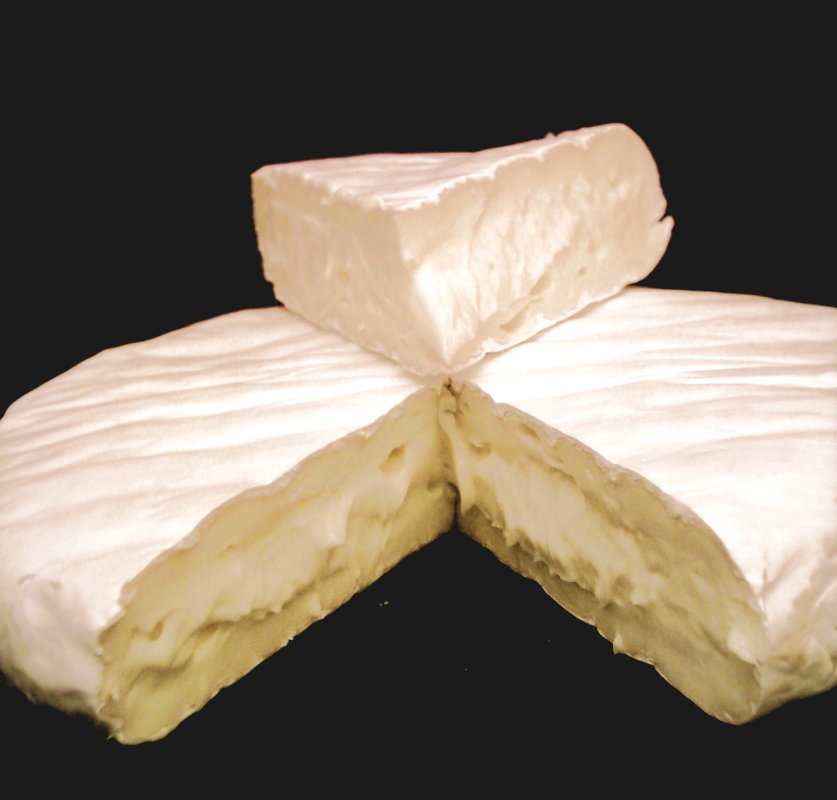 CamembertVegetarian
🇫🇷 FranceSoft, creamy cow’s milk cheese with a white, edible rind from Normandy
Cheese or dairy food
CamembertVegetarian
🇫🇷 FranceSoft, creamy cow’s milk cheese with a white, edible rind from Normandy
Cheese or dairy food
 AligotVegetarianAligòt
🇫🇷 FranceMashed potatoes mixed with melted cheese, butter, and garlic from southern France
Main dish, Dinner, Lunch
AligotVegetarianAligòt
🇫🇷 FranceMashed potatoes mixed with melted cheese, butter, and garlic from southern France
Main dish, Dinner, Lunch
 WineVegan
🇬🇪 Georgia and 5 moreAlcoholic drink made by fermenting grape juice in many styles and colors
Drink
WineVegan
🇬🇪 Georgia and 5 moreAlcoholic drink made by fermenting grape juice in many styles and colors
Drink
 Ice cream
🇺🇸 United States and 5 moreA frozen dessert made from sweetened, flavoured milk or cream
Sweet or dessert, Snacks
Ice cream
🇺🇸 United States and 5 moreA frozen dessert made from sweetened, flavoured milk or cream
Sweet or dessert, Snacks
Its cousins elsewhere
All cheese and dairy ProvoletaVegetarian
🇦🇷 ArgentinaArgentine pulled-curd cheese grilled and served at barbecues
Cheese or dairy food, Dinner
ProvoletaVegetarian
🇦🇷 ArgentinaArgentine pulled-curd cheese grilled and served at barbecues
Cheese or dairy food, Dinner
 Halloumi
🇨🇾 CyprusA firm, brined cheese from Cyprus that can be grilled or fried without melting
Cheese or dairy food
Halloumi
🇨🇾 CyprusA firm, brined cheese from Cyprus that can be grilled or fried without melting
Cheese or dairy food
 WagasiVegetarian
🇧🇯 Benin and 1 moreMild, soft cheese from cow's milk, made and eaten across northern Benin
Cheese or dairy food
WagasiVegetarian
🇧🇯 Benin and 1 moreMild, soft cheese from cow's milk, made and eaten across northern Benin
Cheese or dairy food
 Kashk
🇮🇷 Iran and 6 moreDried or fermented dairy, sometimes with grain, shaped and stored for later use
Cheese or dairy food
Kashk
🇮🇷 Iran and 6 moreDried or fermented dairy, sometimes with grain, shaped and stored for later use
Cheese or dairy food