
Hákarl
Fermented Greenland shark, a traditional Icelandic delicacy with a strong aroma
Hákarl is an Icelandic dish made by fermenting Greenland shark and then air-drying it for several months. Known for its sharp ammonia scent and strong flavor, it is most commonly eaten during the midwinter festival Þorrablót, but is available year-round in Iceland. The dish is served in small cubes, often alongside the local spirit brennivín.
- Made from Greenland shark fermented and dried for months
- Served in small cubes, often with brennivín spirit
- Has a strong ammonia smell and intense flavor
- Eaten especially during the Þorrablót midwinter festival
- Greenland shark is a vulnerable species due to slow growth
What is Hákarl?
Hákarl is made from Greenland shark that has undergone fermentation and drying, resulting in a food with a powerful, pungent smell and a taste that many find challenging. The shark is cut into small cubes for serving, and the texture can range from chewy and reddish (from the belly, called glerhákarl) to white and soft (from the body, called skyrhákarl). The scent is often compared to cleaning chemicals due to its high ammonia content, and the flavor is both fishy and intense. Hákarl is considered an acquired taste, and reactions from first-time tasters are often strong.
Where does Hákarl come from?
This dish comes from Iceland, where the Greenland shark has long been processed to make it safe to eat. The shark's flesh is toxic when fresh, so traditional methods were developed to ferment and dry the meat, removing harmful substances. Hákarl is closely tied to Icelandic heritage and is typically featured during the Þorrablót festival, a celebration of traditional foods in the winter months. The practice of making hákarl reflects both necessity and ingenuity in using local resources.
How is Hákarl made?
To prepare hákarl, the shark is gutted and cleaned, then buried in gravelly sand and pressed with stones to drain fluids. It ferments in this state for several weeks, after which it is unearthed, sliced, and hung to dry for several more months. A brown outer layer forms during drying and is removed before serving. Modern producers may use plastic containers for pressing, but the process still relies on time and exposure to the elements to develop the dish’s distinctive qualities.


How and when is Hákarl eaten?
Hákarl is most often served in small cubes, sometimes on toothpicks, and is a common part of Þorramatur, a platter of traditional Icelandic foods eaten at the Þorrablót festival. It is available in shops throughout Iceland and can be eaten at any time of year. Many people pair it with brennivín, a local spirit, to help manage its strong taste. The dish is often sampled as a cultural experience, and newcomers may find the aroma and flavor overwhelming.
Kinds of Hákarl
There are two main types of hákarl: glerhákarl, which is reddish and firmer, comes from the shark’s belly, while skyrhákarl, which is paler and softer, is made from the body. The dish is sometimes compared to other fermented seafoods from the region, such as Greenlandic kiviak. While the basic process remains the same, some producers use updated methods for pressing and drying the meat.
What Hákarl means
Hákarl is a symbol of Icelandic tradition, especially during the Þorrablót festival, when it is eaten alongside other heritage foods. Its preparation and consumption are part of Iceland’s cultural identity, and it is often offered to visitors as a test of bravery. The dish’s reliance on Greenland shark has raised concerns about sustainability, as the species matures slowly and is vulnerable to overfishing. Calls for conservation highlight the tension between tradition and environmental responsibility.
Questions people ask about Hákarl
What is hákarl made from?
Hákarl is made from the flesh of the Greenland shark, which is fermented and then air-dried to make it safe and edible.
Where does hákarl come from?
Hákarl is a traditional food from Iceland and is closely associated with Icelandic culture and festivals.
What does hákarl taste and smell like?
The dish has a very strong ammonia-rich aroma, often compared to cleaning products, and a powerful, fishy taste that many people find difficult to handle.
When is hákarl usually eaten?
While available year-round in Iceland, hákarl is most commonly eaten during the Þorrablót festival, which celebrates traditional foods in midwinter.
Are there different types of hákarl?
Yes, glerhákarl is reddish and chewy from the belly, while skyrhákarl is white and softer from the body.
Good reading and sources
The facts on this page come from the Wikipedia article "Hákarl", written by its contributors and used under the CC BY-SA 4.0 licence, and from its Wikidata record (CC0). Thali rewrote the text in its own words, with AI assistance, and compares every page with the article to make sure no passage is copied. It may be reused under the same CC BY-SA 4.0 licence with a link back.
It may contain mistakes, and it is not dietary or allergy advice: recipes differ from cook to cook. If something is wrong, tell us. Last refreshed 2026-10-03.
More from Iceland
All the food of Iceland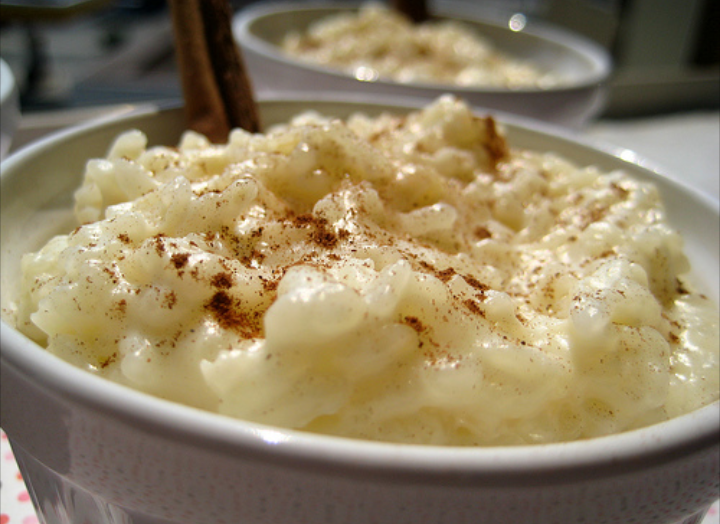 Rice pudding
🇮🇳 India and 4 moreSweetened rice cooked in milk, found in many forms worldwide
Sweet or dessert, Breakfast, Lunch
Rice pudding
🇮🇳 India and 4 moreSweetened rice cooked in milk, found in many forms worldwide
Sweet or dessert, Breakfast, Lunch
 GravlaxFish or seafood
🇸🇪 Sweden and 3 moreSalmon cured with salt, sugar and dill, sliced thin and served with mustard-dill sauce
Main dish, Lunch, Dinner
GravlaxFish or seafood
🇸🇪 Sweden and 3 moreSalmon cured with salt, sugar and dill, sliced thin and served with mustard-dill sauce
Main dish, Lunch, Dinner
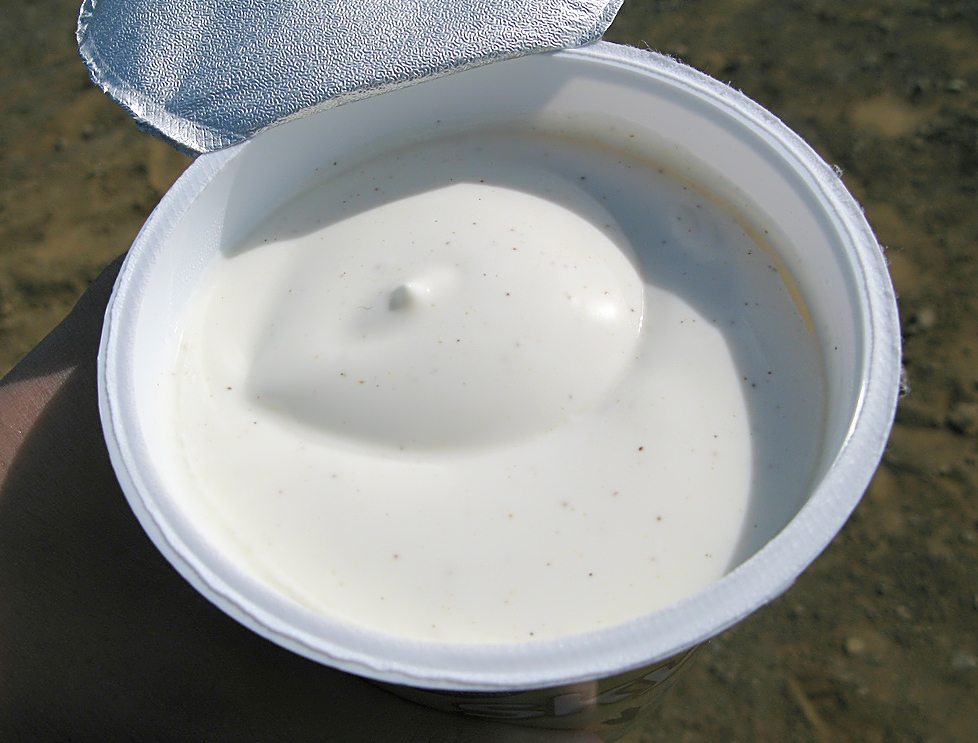 SkyrVegetarian
🇮🇸 Iceland and 3 moreIcelandic cultured dairy with a thick, mild taste, eaten like yogurt
Sauce, pickle or ferment, Breakfast, Snacks
AkvavitVegan
🇳🇴 Norway and 4 moreA Scandinavian spirit flavoured with caraway or dill, often enjoyed at festive meals
Drink, Dinner, Lunch
SkyrVegetarian
🇮🇸 Iceland and 3 moreIcelandic cultured dairy with a thick, mild taste, eaten like yogurt
Sauce, pickle or ferment, Breakfast, Snacks
AkvavitVegan
🇳🇴 Norway and 4 moreA Scandinavian spirit flavoured with caraway or dill, often enjoyed at festive meals
Drink, Dinner, Lunch
Its cousins elsewhere
All main dishes Sushi寿司
🇯🇵 JapanVinegared rice paired with seafood, vegetables or other toppings
Main dish, Lunch, Dinner
Sushi寿司
🇯🇵 JapanVinegared rice paired with seafood, vegetables or other toppings
Main dish, Lunch, Dinner
 HamburgerMeat
🇺🇸 United States and 1 moreA hot ground meat patty in a sliced bun, often with salad and sauces
Main dish, Lunch, Dinner
HamburgerMeat
🇺🇸 United States and 1 moreA hot ground meat patty in a sliced bun, often with salad and sauces
Main dish, Lunch, Dinner
 Kebabكَبَاب
🇹🇷 Turkey and 5 moreGrilled or roasted meat, often on skewers, found across the Middle East and beyond
Main dish, Lunch, Dinner
TofuVegan豆腐
🇨🇳 China and 5 moreSoft white blocks made by curdling soy milk and pressing the curds
Main dish
Kebabكَبَاب
🇹🇷 Turkey and 5 moreGrilled or roasted meat, often on skewers, found across the Middle East and beyond
Main dish, Lunch, Dinner
TofuVegan豆腐
🇨🇳 China and 5 moreSoft white blocks made by curdling soy milk and pressing the curds
Main dish