
Halloumi
A firm, brined cheese from Cyprus that can be grilled or fried without melting
Halloumi is a cheese from Cyprus, made mainly with goat's and sheep's milk, though cow's milk is often used in modern production. Its firm texture and high melting point allow it to be grilled or fried, making it a favorite for both vegetarians and others. Halloumi is enjoyed fresh or aged, and is exported widely, especially to the UK.
- Halloumi keeps its shape when grilled or fried
- Traditionally made from goat and sheep milk in Cyprus
- Often flavored with mint leaves
- Aged halloumi is firmer and saltier than fresh
- Cyprus exports halloumi worldwide, especially to the UK
What is Halloumi?
Halloumi is a white, semi-hard cheese with a springy, dense feel. It is usually shaped into a half-moon and weighs about 220–270 grams. The cheese is known for its squeaky bite and a taste that is salty and sometimes faintly minty. Halloumi does not melt when heated, so it can be cooked on a grill or in a pan until golden on the outside. It is eaten both fresh and aged, with the mature version being firmer and saltier due to storage in brine.
Where does Halloumi come from?
Halloumi comes from Cyprus, where it has been made for centuries. Its roots may go back to Bedouin communities, who valued its ability to keep well without refrigeration. The cheese was first described in Cyprus in the mid-1500s, but similar cheeses were known in Egypt even earlier. Traditionally, it was made in small village groups, mainly from goat and sheep milk, as cows were rare on the island until the 20th century. Over time, the cheese became a major export and an important part of Cypriot food culture.
How is Halloumi made?
To make halloumi, milk is curdled with rennet, then the curds are cut and heated to firm them up. The curds are pressed into molds to remove extra whey, then boiled in hot whey to give the cheese its unique texture. After boiling, the cheese is salted and often sprinkled with mint, then folded and stored in brine for a few days or longer. Fresh halloumi is softer, while the aged version is firmer and saltier from longer brining.


How and when is Halloumi eaten?
Halloumi can be eaten straight from the package, but it is most often cooked. Slices are grilled or fried until browned, then served as part of salads, sandwiches, or alongside vegetables. Its chewy texture and savory taste make it a popular meat substitute, especially for vegetarians. The cheese is enjoyed year-round and is a regular part of meals in Cyprus and beyond.
Kinds of Halloumi
There are two main types: fresh and mature. Fresh halloumi is softer and less salty, while mature halloumi, stored longer in brine, becomes firmer and more intense in flavor. Traditionally, only goat and sheep milk were used, but modern halloumi often includes cow's milk, especially in exported versions. Some producers add mint for a distinctive note.
What Halloumi means
Halloumi is a symbol of Cypriot identity and a major export, making up a significant share of the country's overseas sales. It is widely eaten in Cyprus and has become popular in many other countries, especially the UK. The cheese is protected by naming rules in some regions, so only cheese from Cyprus can be sold under this name in certain markets. Halloumi also appears in Cypriot literature and family names, reflecting its deep roots in the island’s life.
Questions people ask about Halloumi
What is halloumi made from?
Halloumi is made mainly from goat's and sheep's milk, though cow's milk is often used in modern production. Salt, rennet, and sometimes mint are also added.
Where does halloumi come from?
Halloumi originates from Cyprus, where it has been produced for centuries and is a key part of the island's food culture.
Why doesn't halloumi melt when cooked?
Halloumi has a high melting point due to the way it is made. The curds are boiled in whey, which gives the cheese its firm, heat-resistant texture.
How is halloumi usually eaten?
Halloumi is often sliced and grilled or fried until golden, then served in salads, sandwiches, or with vegetables. It can also be eaten fresh or aged.
Is halloumi suitable for vegetarians?
Halloumi is popular as a meat alternative because of its texture, but whether it is vegetarian depends on the type of rennet used. Some halloumi uses vegetarian or microbial rennet.
Good reading and sources
- How halloumi took over the UKBBC, Article
- Halloumi hell: how will we survive the cheese crisis?The Guardian, Article
The facts on this page come from the Wikipedia article "Halloumi", written by its contributors and used under the CC BY-SA 4.0 licence, and from its Wikidata record (CC0). Thali rewrote the text in its own words, with AI assistance, and compares every page with the article to make sure no passage is copied. It may be reused under the same CC BY-SA 4.0 licence with a link back.
It may contain mistakes, and it is not dietary or allergy advice: recipes differ from cook to cook. If something is wrong, tell us. Last refreshed 2026-10-03.
More from Cyprus
All the food of Cyprus CappuccinoVegetarian
🇮🇹 Italy and 5 moreEspresso with steamed milk and a thick layer of milk foam, served in a small cup
Drink, Breakfast
CappuccinoVegetarian
🇮🇹 Italy and 5 moreEspresso with steamed milk and a thick layer of milk foam, served in a small cup
Drink, Breakfast
 HummusVegan
🇸🇾 Syria and 5 moreMashed chickpeas blended with tahini, lemon, and garlic, served as a dip or spread
Sauce, pickle or ferment, Breakfast, Lunch
HummusVegan
🇸🇾 Syria and 5 moreMashed chickpeas blended with tahini, lemon, and garlic, served as a dip or spread
Sauce, pickle or ferment, Breakfast, Lunch
 Turkish delightVegan
🇹🇷 Turkey and 5 moreSoft, chewy cubes of starch and sugar, often flavored or filled with nuts or fruit
Sweet or dessert, Snacks, Tea time
Turkish delightVegan
🇹🇷 Turkey and 5 moreSoft, chewy cubes of starch and sugar, often flavored or filled with nuts or fruit
Sweet or dessert, Snacks, Tea time
 TzatzikiVegetarianτζατζίκι
🇬🇷 Greece and 5 moreStrained yogurt mixed with cucumber, garlic and herbs, served cold as a dip or sauce
Sauce, pickle or ferment, Lunch, Dinner
TzatzikiVegetarianτζατζίκι
🇬🇷 Greece and 5 moreStrained yogurt mixed with cucumber, garlic and herbs, served cold as a dip or sauce
Sauce, pickle or ferment, Lunch, Dinner
Its cousins elsewhere
All cheese and dairy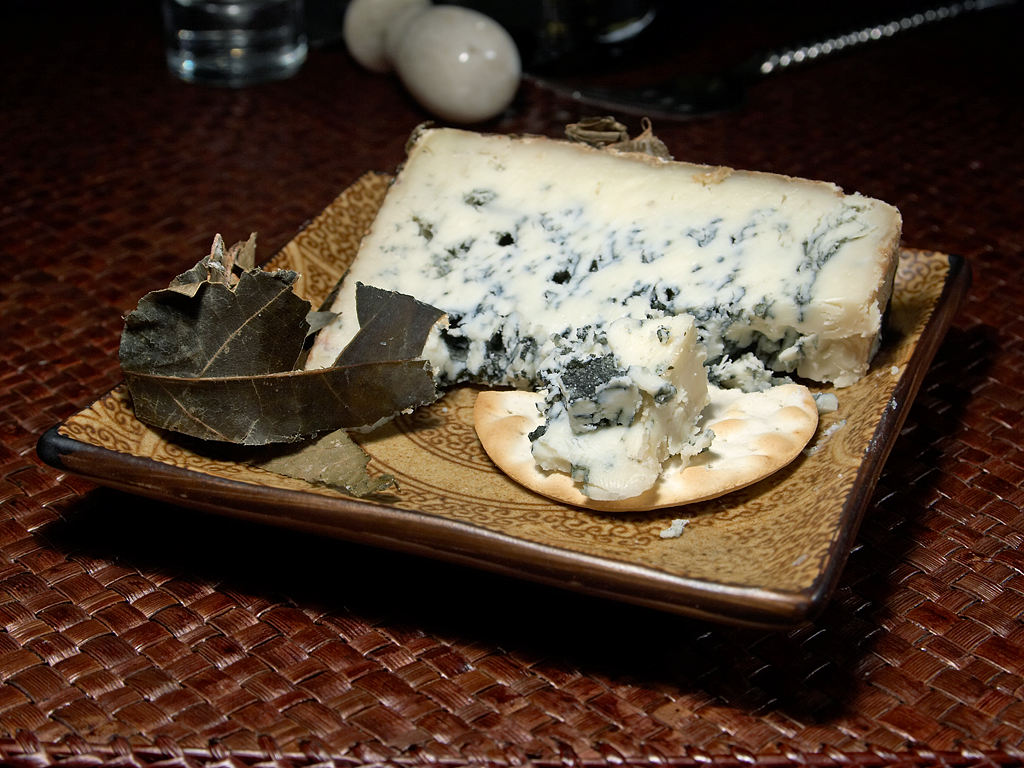 Cabrales cheese
🇪🇸 SpainBlue cheese from Asturias aged in mountain caves
Cheese or dairy food
Cabrales cheese
🇪🇸 SpainBlue cheese from Asturias aged in mountain caves
Cheese or dairy food
 KasseriVegetarianκασέρι
🇬🇷 Greece and 2 moreA semi-hard Greek cheese made from sheep’s milk, stretched and aged for months
Cheese or dairy food
KasseriVegetarianκασέρι
🇬🇷 Greece and 2 moreA semi-hard Greek cheese made from sheep’s milk, stretched and aged for months
Cheese or dairy food
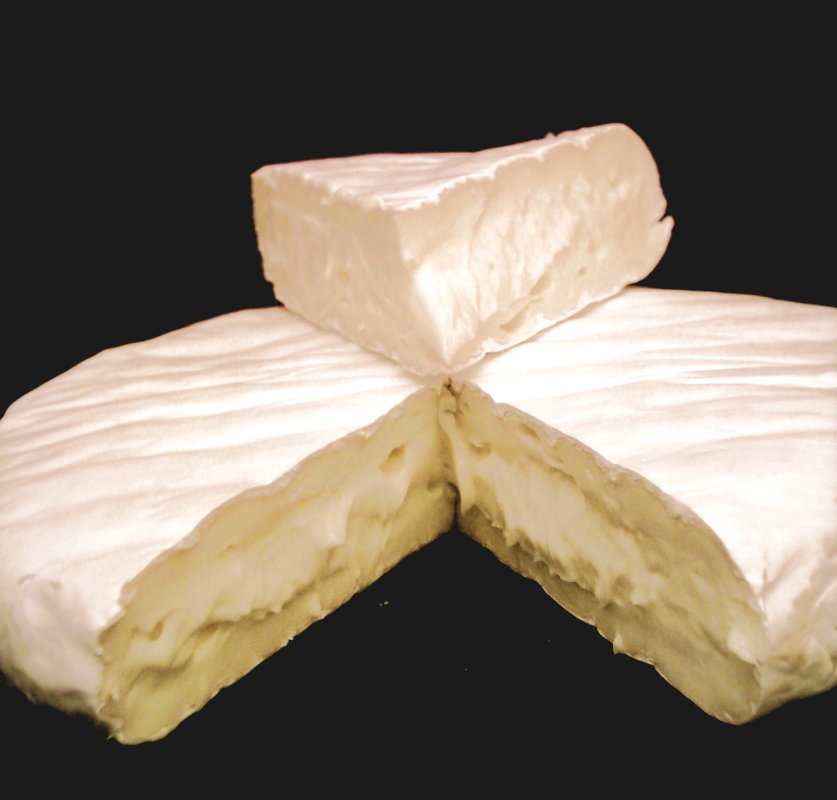 CamembertVegetarian
🇫🇷 FranceSoft, creamy cow’s milk cheese with a white, edible rind from Normandy
Cheese or dairy food
CamembertVegetarian
🇫🇷 FranceSoft, creamy cow’s milk cheese with a white, edible rind from Normandy
Cheese or dairy food
 ManchegoVegetarianqueso manchego
🇪🇸 SpainFirm sheep’s milk cheese from La Mancha, aged from two months to two years
Cheese or dairy food
ManchegoVegetarianqueso manchego
🇪🇸 SpainFirm sheep’s milk cheese from La Mancha, aged from two months to two years
Cheese or dairy food