
Manchego
In its own language: queso manchego
Firm sheep’s milk cheese from La Mancha, aged from two months to two years
Manchego is a Spanish cheese made from the milk of Manchega sheep in La Mancha. It has a firm, compact texture and a creamy, slightly tangy taste. The cheese is protected by PDO status and must be produced within specific provinces using traditional methods. It is enjoyed at various ages, from mild to sharp.
- Made only from Manchega sheep’s milk in La Mancha
- Aged from 60 days up to two years
- Protected by European PDO status
- Recognizable zig-zag pattern on the rind
- Spain’s most exported cheese with denomination of origin
What is Manchego?
Manchego is a firm cheese made from the milk of Manchega sheep, native to La Mancha in Spain. Its texture is dense and buttery, sometimes showing small, irregular holes. The color ranges from white to pale yellow, while the outside rind is inedible and varies from yellow to brown-beige. The flavor is creamy and full, with a gentle sharpness and a lingering taste that reflects the sheep’s milk. The cheese is shaped in a cylinder, often with a zig-zag pattern on the rind, a nod to its traditional molds.
Where does Manchego come from?
Manchego comes from La Mancha, a region in central Spain. Only cheese made within certain provinces and from the milk of local Manchega sheep can use the name. Its production is protected by Spanish and European law under the PDO system. The cheese has long been a symbol of Spanish dairy tradition and is closely tied to the region’s identity. The pattern on its rind recalls the days when curds were pressed in woven grass baskets.
How is Manchego made?
To make Manchego, whole milk from Manchega sheep is curdled using natural rennet or another approved enzyme. The curds are pressed into cylindrical molds, which imprint a distinctive zig-zag design on the rind. The cheese is then aged for at least 60 days and up to two years, developing a natural rind that may be washed, coated in oil or paraffin, or left plain. Only salt and rennet are added, and the cheese can be made from either raw or pasteurized milk.

How and when is Manchego eaten?
Manchego is eaten at different stages of maturity, from young and mild to well-aged and robust. It is commonly served sliced as part of a cheese board, in tapas, or grated over dishes. The cheese is not tied to a particular meal and can be enjoyed on its own or paired with bread, fruit, or wine. Its firm texture also makes it suitable for grating, especially when aged.
Kinds of Manchego
Manchego is sold at several ages: semicurado (aged a few months, milder), curado (aged up to six months, with caramel and nutty notes), and viejo (aged over a year, with a sharper, peppery taste). Fresh versions exist but are rare and not considered true Manchego. Outside Spain, cheeses called "manchego" are often made from cow’s milk and do not follow the traditional methods or regulations.
What Manchego means
Manchego is the most widely recognized Spanish cheese with protected status and is a major export. Each PDO cheese carries a label with Don Quixote artwork and a serial number. The cheese is a point of regional and national pride, representing Spanish food culture abroad. Its traditional patterns and regulated production link it to the history and landscape of La Mancha.
Questions people ask about Manchego
What is Manchego made from?
Manchego is made using whole milk from Manchega sheep, with only salt and natural rennet or another approved enzyme added.
Where does Manchego cheese come from?
Manchego comes from the La Mancha region in central Spain, and only cheese made in specific provinces from local sheep can use the name.
How is Manchego different from other cheeses?
Manchego is distinct for its firm, buttery texture, creamy and slightly tangy flavor, and the zig-zag pattern on its rind, which comes from traditional molds.
How long is Manchego aged?
Manchego is aged for a minimum of 60 days and can mature for up to two years, with flavor and texture changing as it ages.
Are all cheeses called Manchego the same?
Only cheese made in La Mancha from Manchega sheep’s milk and following PDO rules is true Manchego; similar cheeses made elsewhere, often from cow’s milk, do not meet these standards.
Good reading and sources
The facts on this page come from the Wikipedia article "Manchego", written by its contributors and used under the CC BY-SA 4.0 licence, and from its Wikidata record (CC0). Thali rewrote the text in its own words, with AI assistance, and compares every page with the article to make sure no passage is copied. It may be reused under the same CC BY-SA 4.0 licence with a link back.
It may contain mistakes, and it is not dietary or allergy advice: recipes differ from cook to cook. If something is wrong, tell us. Last refreshed 2026-10-03.
More from Spain
All the food of Spain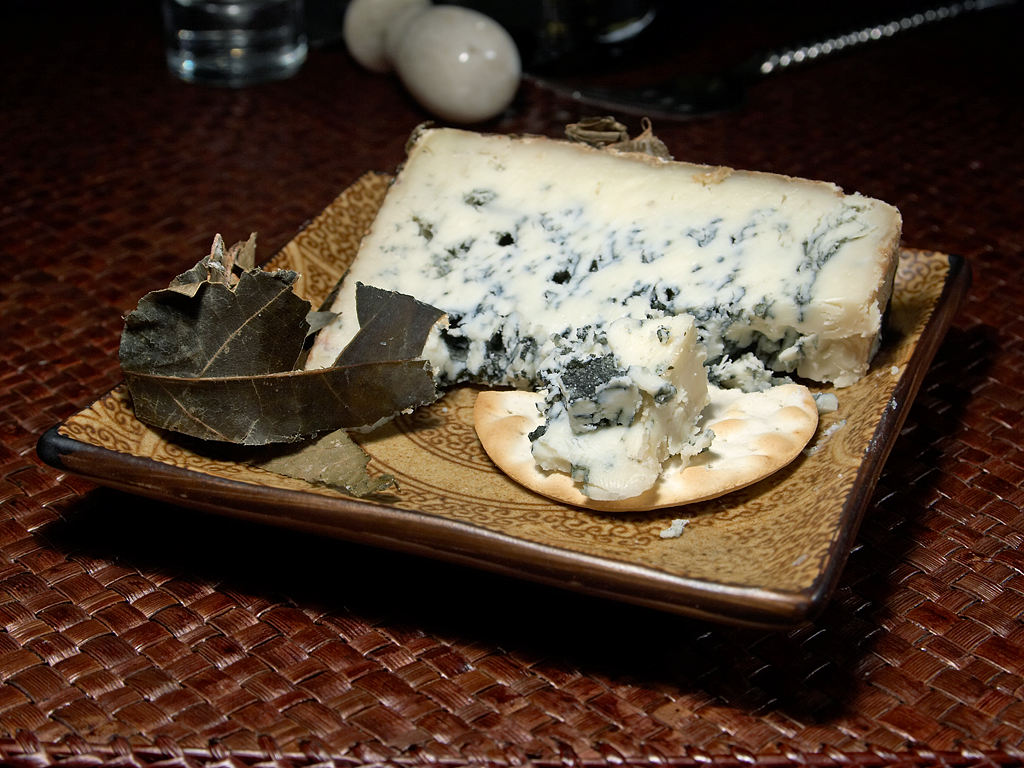 Cabrales cheese
🇪🇸 SpainBlue cheese from Asturias aged in mountain caves
Cheese or dairy food
Cabrales cheese
🇪🇸 SpainBlue cheese from Asturias aged in mountain caves
Cheese or dairy food
 Idiazabal cheeseVegetarianIdiazabal gazta
🇪🇸 SpainAged sheep’s milk cheese with a firm texture from Spain’s Basque Country
Cheese or dairy food
Idiazabal cheeseVegetarianIdiazabal gazta
🇪🇸 SpainAged sheep’s milk cheese with a firm texture from Spain’s Basque Country
Cheese or dairy food
 Tetilla cheeseVegetarianqueixo tetilla
🇪🇸 SpainSoft, conical cow’s milk cheese from Galicia in northwest Spain
Cheese or dairy food
Tetilla cheeseVegetarianqueixo tetilla
🇪🇸 SpainSoft, conical cow’s milk cheese from Galicia in northwest Spain
Cheese or dairy food
 Hot chocolate
🇲🇽 Mexico and 5 moreA warm drink made from chocolate or cocoa, milk or water, and sugar
Drink, Breakfast, Snacks
Hot chocolate
🇲🇽 Mexico and 5 moreA warm drink made from chocolate or cocoa, milk or water, and sugar
Drink, Breakfast, Snacks
Its cousins elsewhere
All cheese and dairy Halloumi
🇨🇾 CyprusA firm, brined cheese from Cyprus that can be grilled or fried without melting
Cheese or dairy food
Halloumi
🇨🇾 CyprusA firm, brined cheese from Cyprus that can be grilled or fried without melting
Cheese or dairy food
 ProvoletaVegetarian
🇦🇷 ArgentinaArgentine pulled-curd cheese grilled and served at barbecues
Cheese or dairy food, Dinner
ProvoletaVegetarian
🇦🇷 ArgentinaArgentine pulled-curd cheese grilled and served at barbecues
Cheese or dairy food, Dinner
 Kashk
🇮🇷 Iran and 6 moreDried or fermented dairy, sometimes with grain, shaped and stored for later use
Cheese or dairy food
Kashk
🇮🇷 Iran and 6 moreDried or fermented dairy, sometimes with grain, shaped and stored for later use
Cheese or dairy food
 TvorogVegetarian
🇷🇺 Russia and 4 moreA soft, white, fermented dairy food made by curdling milk and removing whey
Cheese or dairy food
TvorogVegetarian
🇷🇺 Russia and 4 moreA soft, white, fermented dairy food made by curdling milk and removing whey
Cheese or dairy food