
Hojicha
In its own language: 焙じ茶
Japanese green tea roasted over charcoal for a toasty, mild flavor
Hojicha is a Japanese green tea that stands out for its roasting process, which gives it a warm, nutty taste and a reddish-brown color. Made mainly from later-season tea leaves, it is less bitter and lower in caffeine than most green teas, making it a gentle drink for evenings or for those sensitive to caffeine.
- Roasted over charcoal, not steamed like most Japanese green teas
- First made in Kyoto in 1920 from leftover bancha tea
- Has a reddish-brown color and nutty, toasty aroma
- Lower in caffeine and bitterness than other green teas
- Often served in the evening or to children and older adults
What is Hojicha?
Hojicha is a type of Japanese green tea that is roasted rather than steamed. The roasting process changes the color of the leaves from green to a reddish-brown and gives the tea a clear red appearance when brewed. Its aroma is warm and nutty, and the taste is toasty, slightly sweet, and mild, with almost no bitterness. Hojicha is sometimes available as a powder, which can be mixed with steamed milk for drinks.
Where does Hojicha come from?
Hojicha was first made in Kyoto in 1920 when a tea merchant decided to roast unsold bancha, a common, late-season tea. This accidental discovery created a new style of tea with a gentle, roasted flavor. While bancha is most often used, hojicha can also be made from sencha or kukicha, which uses more stems and twigs. The roasting method sets hojicha apart from other Japanese green teas, which are usually steamed.
How is Hojicha made?
To make hojicha, tea leaves—often from the later harvests—are roasted in a porcelain pot over charcoal at a high temperature. This step reduces the tea's bitterness and caffeine, while bringing out a toasty, caramel-like flavor. The leaves are then brewed in hot water, producing a reddish-brown infusion. Powdered hojicha is also made for use in milk-based drinks.

How and when is Hojicha eaten?
Hojicha is commonly enjoyed as a daily drink in Japan, especially in the evening or after meals because of its low caffeine and gentle taste. It is often served to children and older people for the same reason. The tea is usually prepared with hot water and can be drunk plain or in lattes made with steamed milk.
Kinds of Hojicha
Though bancha is the typical base, hojicha can also be made from sencha or kukicha, which uses more stems. Powdered hojicha is another variation, used to make drinks like hojicha lattes. The roasting level and base tea can change the flavor and aroma, but all versions share the same mild, roasted character.
What Hojicha means
Hojicha is a familiar part of daily life in Japan, valued for its gentle taste and low caffeine, making it suitable for all ages. Its creation is tied to Kyoto, and it is a common offering in homes and restaurants. The tea's roasted style sets it apart from other Japanese green teas, reflecting local tastes and resourcefulness.
Questions people ask about Hojicha
What is hojicha made from?
Hojicha is made from green tea leaves, often from later harvests, and sometimes includes stems. The leaves are roasted at high heat, which gives the tea its unique flavor and color.
Where does hojicha come from?
Hojicha comes from Japan. It was first created in Kyoto in 1920 when a merchant roasted leftover bancha tea.
How is hojicha different from other green teas?
Unlike most Japanese green teas, which are steamed, hojicha is roasted over charcoal. This process gives it a toasty, nutty taste and reduces its bitterness and caffeine.
What does hojicha taste like?
Hojicha has a mild, sweet, and toasty flavor with a nutty aroma. It is not bitter and has a gentle, smoky note.
When is hojicha usually drunk?
Hojicha is often enjoyed in the evening or after meals in Japan, and is popular with children and older adults because of its low caffeine.
Good reading and sources
The facts on this page come from the Wikipedia article "Hōjicha", written by its contributors and used under the CC BY-SA 4.0 licence, and from its Wikidata record (CC0). Thali rewrote the text in its own words, with AI assistance, and compares every page with the article to make sure no passage is copied. It may be reused under the same CC BY-SA 4.0 licence with a link back.
It may contain mistakes, and it is not dietary or allergy advice: recipes differ from cook to cook. If something is wrong, tell us. Last refreshed 2026-10-03.
More from Japan
All the food of Japan TeaVegan茶
🇨🇳 China and 5 moreA drink made by soaking tea leaves in hot or cold water
Drink
TeaVegan茶
🇨🇳 China and 5 moreA drink made by soaking tea leaves in hot or cold water
Drink
 Ice cream
🇺🇸 United States and 5 moreA frozen dessert made from sweetened, flavoured milk or cream
Sweet or dessert, Snacks
Ice cream
🇺🇸 United States and 5 moreA frozen dessert made from sweetened, flavoured milk or cream
Sweet or dessert, Snacks
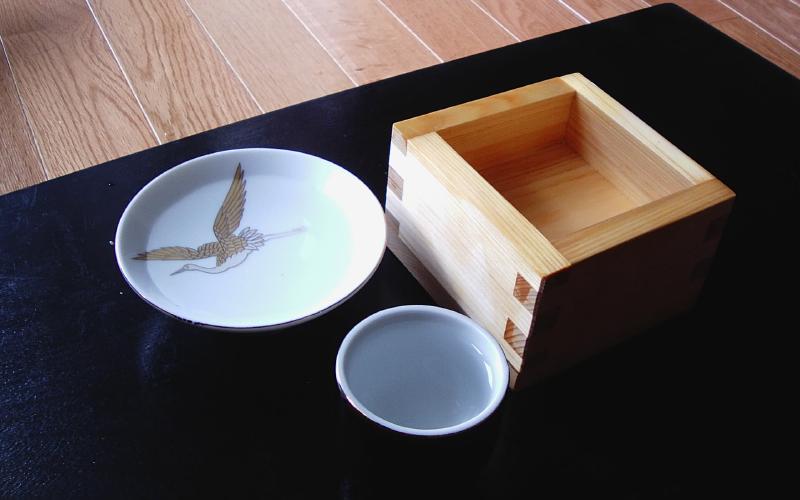 SakeVegan酒
🇯🇵 JapanJapanese alcoholic drink brewed from polished rice and kōji mold
Drink
SakeVegan酒
🇯🇵 JapanJapanese alcoholic drink brewed from polished rice and kōji mold
Drink
 Bubble tea珍珠奶茶
🇹🇼 Taiwan and 5 moreSweet tea with chewy tapioca pearls, served hot or cold
Drink
Bubble tea珍珠奶茶
🇹🇼 Taiwan and 5 moreSweet tea with chewy tapioca pearls, served hot or cold
Drink
Its cousins elsewhere
All drinks ChampagneVegan
🇫🇷 FranceSparkling wine made only in France’s Champagne region using traditional bottle fermentation
Drink
ChampagneVegan
🇫🇷 FranceSparkling wine made only in France’s Champagne region using traditional bottle fermentation
Drink
 TequilaVegan
🇲🇽 MexicoMexican spirit distilled from blue agave in Jalisco and nearby regions
Drink
TequilaVegan
🇲🇽 MexicoMexican spirit distilled from blue agave in Jalisco and nearby regions
Drink
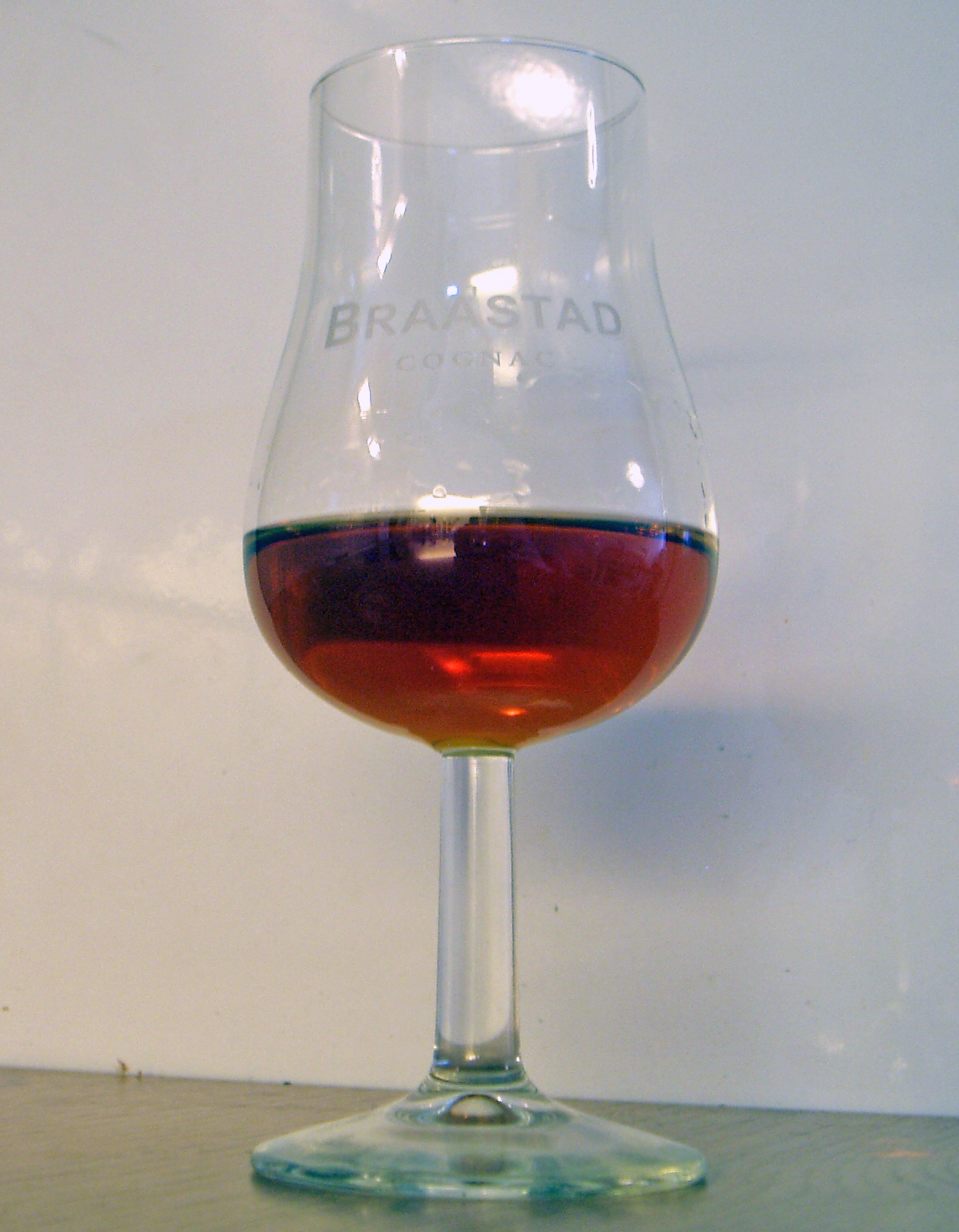 CognacVegan
🇫🇷 FranceFrench brandy distilled from local white grapes and aged in oak casks
Drink
CognacVegan
🇫🇷 FranceFrench brandy distilled from local white grapes and aged in oak casks
Drink
 CappuccinoVegetarian
🇮🇹 Italy and 5 moreEspresso with steamed milk and a thick layer of milk foam, served in a small cup
Drink, Breakfast
CappuccinoVegetarian
🇮🇹 Italy and 5 moreEspresso with steamed milk and a thick layer of milk foam, served in a small cup
Drink, Breakfast