
Champagne
Sparkling wine made only in France’s Champagne region using traditional bottle fermentation
Champagne is a sparkling wine produced only in the Champagne region of France, following strict rules on grape varieties, vineyard practices, and winemaking methods. Most bottles are made from Pinot noir, Pinot meunier, and Chardonnay grapes. It is known for its fine bubbles and is closely linked to celebrations and luxury. Only wines from this region, made by these methods, may use the name.
- Only sparkling wine from France’s Champagne region can use the name Champagne
- Pinot noir, Pinot meunier, and Chardonnay are the main grapes used
- A second fermentation in the bottle creates Champagne’s bubbles
- Strict rules control how Champagne is made and labeled
- The name Champagne is protected by international law
What is Champagne?
Champagne is a sparkling wine that comes exclusively from the Champagne area in northeastern France. Most bottles are made from a blend of Pinot noir, Pinot meunier, and Chardonnay grapes, though a few other local varieties are allowed. The wine is known for its lively bubbles, which result from a second fermentation inside the bottle. Its color is usually pale gold, and it is served chilled. The taste can range from very dry to sweet, depending on how much sugar is added after fermentation.
Where does Champagne come from?
Vineyards in the Champagne region have existed since Roman times, but the sparkling style developed later. Early on, the area produced still wines, and the Catholic church played a role in winemaking for religious use. Sparkling wine was first made by accident, as the cold climate caused bottles to ferment again in spring, creating bubbles. Over time, winemakers refined the process, and by the 19th century, Champagne had become a symbol of luxury and celebration. The name Champagne is legally reserved for wine made in this region under strict rules.
How is Champagne made?
To make Champagne, winemakers start with specific grapes grown in the region. The juice is fermented once, then bottled with extra yeast and sugar to trigger a second fermentation. This creates carbon dioxide, which dissolves into the wine and forms bubbles. The bottles are aged for at least fifteen months, and sometimes much longer for special vintages. After aging, the bottles are turned to collect sediment near the neck, which is then removed by freezing and ejecting the plug of lees. A small amount of wine and sugar is added to adjust sweetness before the final cork is inserted.


How and when is Champagne eaten?
Champagne is served cold, often in tall, narrow glasses to show off its bubbles. It is closely tied to festive occasions like weddings, holidays, and major celebrations, but it can also be enjoyed on ordinary days. People drink it on its own or pair it with a range of foods, from seafood to desserts. The wine’s crisp acidity and bubbles make it a popular choice for toasts and special moments.
Kinds of Champagne
Most Champagne is a blend of several grape varieties and harvest years, but in years with an exceptional grape crop, producers may make a vintage Champagne from a single year. The amount of sugar added after fermentation creates different styles, from very dry (Brut) to sweeter versions. While Pinot noir, Pinot meunier, and Chardonnay are the main grapes, a few bottles use rare local varieties. Other countries make sparkling wines by similar methods, but only those from this French region can use the name.
What Champagne means
Champagne is deeply linked to celebration, status, and ritual. Its image as a drink for royalty and special occasions was shaped by centuries of association with French kings and clever marketing by producers. The region’s winemaking rules are strictly enforced, and the name is protected by international agreements. Many countries have laws to prevent the use of the word 'Champagne' for sparkling wines made elsewhere. The wine’s prestige and legal status make it a symbol of French heritage.
Questions people ask about Champagne
What is Champagne made from?
Champagne is made mainly from Pinot noir, Pinot meunier, and Chardonnay grapes, sometimes with small amounts of other local varieties. The wine undergoes a second fermentation in the bottle, which creates its bubbles.
Where does Champagne come from?
Champagne comes only from the Champagne region in northeastern France. The name is legally reserved for sparkling wine produced in this area under strict rules.
How is Champagne different from other sparkling wines?
Champagne must be made in the Champagne region using specific grapes and traditional bottle fermentation. Other sparkling wines may use similar methods but cannot use the name Champagne unless they meet these requirements.
Why is Champagne associated with celebrations?
Champagne became linked to royalty and luxury in the 17th to 19th centuries, and its image as a drink for special occasions has continued. It is now a common choice for weddings, holidays, and festive events.
Is Champagne always dry?
Champagne can range from very dry (Brut) to sweet, depending on how much sugar is added after fermentation. The style is marked on the label.
Good reading and sources
The facts on this page come from the Wikipedia article "Champagne", written by its contributors and used under the CC BY-SA 4.0 licence, and from its Wikidata record (CC0). Thali rewrote the text in its own words, with AI assistance, and compares every page with the article to make sure no passage is copied. It may be reused under the same CC BY-SA 4.0 licence with a link back.
It may contain mistakes, and it is not dietary or allergy advice: recipes differ from cook to cook. If something is wrong, tell us. Last refreshed 2026-10-03.
More from France
All the food of France WineVegan
🇬🇪 Georgia and 5 moreAlcoholic drink made by fermenting grape juice in many styles and colors
Drink
WineVegan
🇬🇪 Georgia and 5 moreAlcoholic drink made by fermenting grape juice in many styles and colors
Drink
 Ice cream
🇺🇸 United States and 5 moreA frozen dessert made from sweetened, flavoured milk or cream
Sweet or dessert, Snacks
Ice cream
🇺🇸 United States and 5 moreA frozen dessert made from sweetened, flavoured milk or cream
Sweet or dessert, Snacks
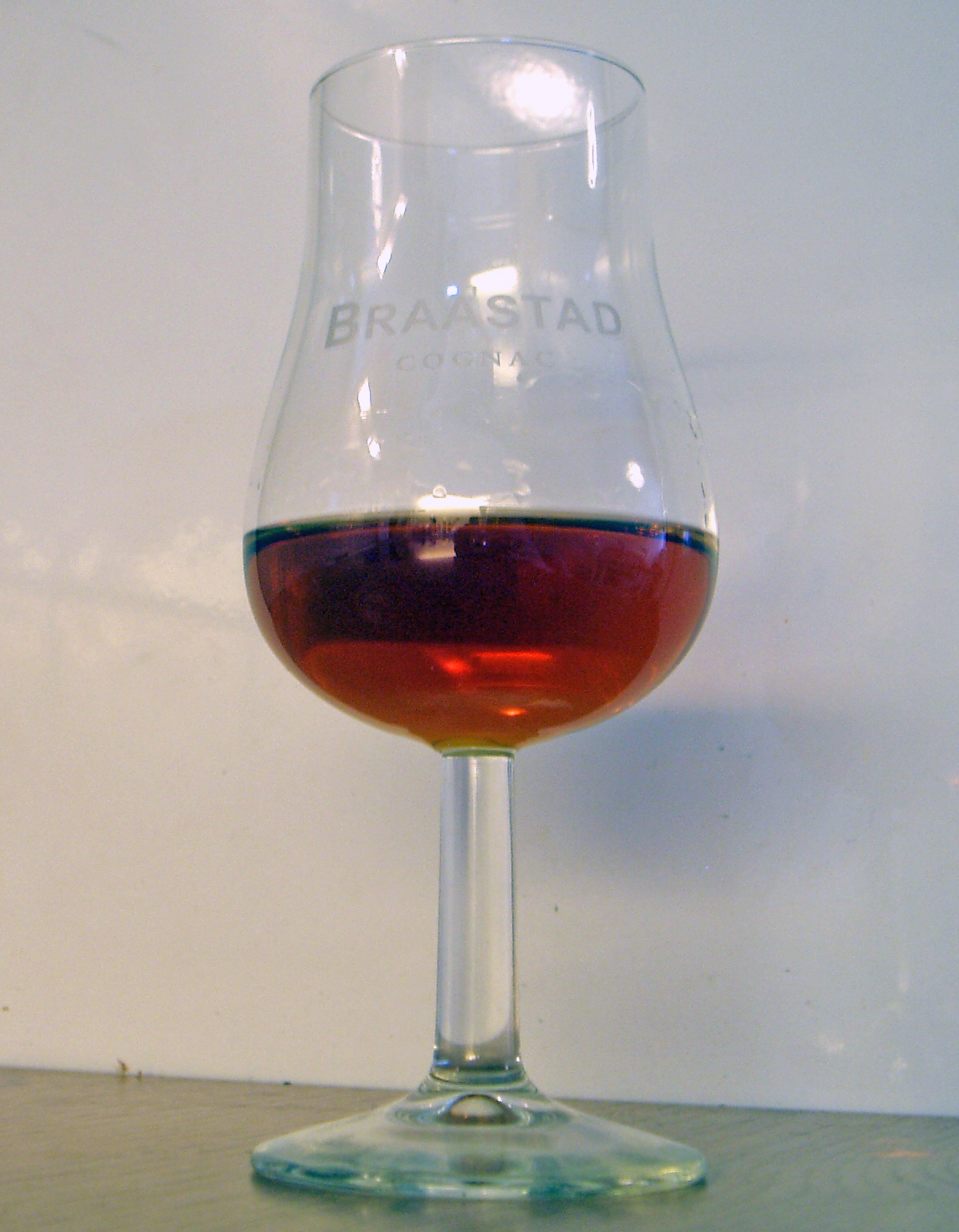 CognacVegan
🇫🇷 FranceFrench brandy distilled from local white grapes and aged in oak casks
Drink
CognacVegan
🇫🇷 FranceFrench brandy distilled from local white grapes and aged in oak casks
Drink
 Mojito
🇨🇺 Cuba and 5 moreCuban cocktail of white rum, lime, mint, sugar and soda water over ice
Drink
Mojito
🇨🇺 Cuba and 5 moreCuban cocktail of white rum, lime, mint, sugar and soda water over ice
Drink
Its cousins elsewhere
All drinks SatoVeganสาโท
🇹🇭 ThailandFermented rice drink from northeastern Thailand, often shared from a communal bowl or jar
Drink
SatoVeganสาโท
🇹🇭 ThailandFermented rice drink from northeastern Thailand, often shared from a communal bowl or jar
Drink
 TeaVegan茶
🇨🇳 China and 5 moreA drink made by soaking tea leaves in hot or cold water
Drink
TeaVegan茶
🇨🇳 China and 5 moreA drink made by soaking tea leaves in hot or cold water
Drink
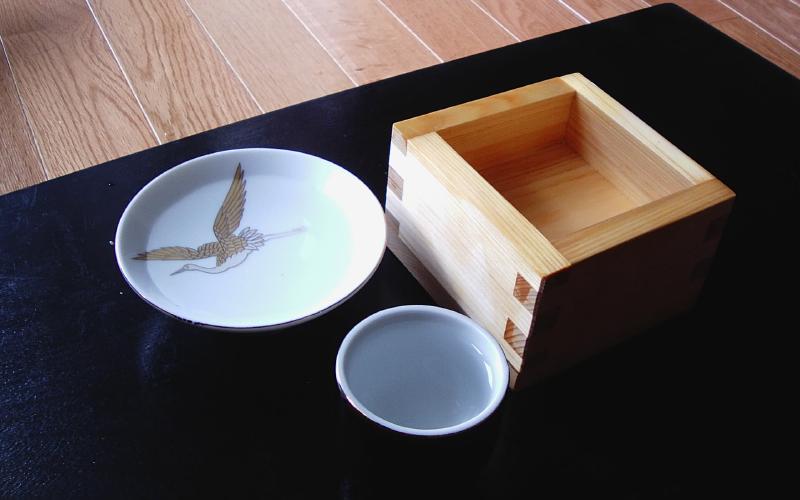 SakeVegan酒
🇯🇵 JapanJapanese alcoholic drink brewed from polished rice and kōji mold
Drink
SakeVegan酒
🇯🇵 JapanJapanese alcoholic drink brewed from polished rice and kōji mold
Drink
 KvassVeganквас
🇷🇺 Russia and 5 moreA tangy, slightly sweet fermented drink made from rye bread or flour
Drink
KvassVeganквас
🇷🇺 Russia and 5 moreA tangy, slightly sweet fermented drink made from rye bread or flour
Drink