
Kaeng khae
In its own language: แกงแค
Northern Thai curry with vegetables, herbs and optional meat or fish
Kaeng khae is a northern Thai curry made with a mix of local vegetables, herbs, and sometimes chicken, frog, fish, beef, or snails. The dish is named for the Piper sarmentosum leaf, a key ingredient, and is served hot as part of a meal in northern Thailand.
- Named for the Piper sarmentosum leaf, a key ingredient
- Includes vegetables, herbs, and sometimes chicken, frog, fish, or snails
- Popular in northern Thailand, especially Chiang Rai
- Served hot as a brothy curry or stew
What is Kaeng khae?
Kaeng khae is a northern Thai curry known for its rich mix of local vegetables and herbs. The dish often includes Piper sarmentosum leaves, which give it its name and a distinctive herbal aroma. Other common ingredients are Lao coriander, cha-om (a feathery, pungent herb), Acmella oleracea leaves, and edible flowers like Bombax ceiba and Sesbania grandiflora. Vegetables such as ivy gourd, eggplant, bamboo shoots, and pea eggplants are added, along with fresh chilies and mushrooms. Depending on the version, chicken, frog, beef, dried fish, or snails may be included. The curry is served hot and is usually brothy, with a green and earthy appearance.
Where does Kaeng khae come from?
Kaeng khae comes from northern Thailand, where it is a staple of local cooking. The dish is named after the Piper sarmentosum leaf, called phak khae in the region, which is a signature ingredient. Its roots are in the use of wild and cultivated herbs and vegetables found in the area. The curry reflects the resourcefulness of northern Thai cuisine, making use of seasonal plants and whatever protein is available, from chicken to snails. It is a traditional dish that highlights the flavors and produce of the north.
How is Kaeng khae made?
To prepare kaeng khae, a variety of fresh herbs and vegetables are gathered, including Piper sarmentosum leaves, Lao coriander, cha-om, and edible flowers. These are combined with vegetables like eggplant, bamboo shoots, and mushrooms. The base is flavored with fresh chilies for heat. Depending on preference or availability, pieces of chicken, frog, beef, dried fish, or snails are added for protein. Everything is simmered together in water or broth until the flavors meld and the vegetables are tender. The result is a fragrant, herbal stew served hot.
How and when is Kaeng khae eaten?
Kaeng khae is typically eaten as part of a shared meal at lunch or dinner in northern Thailand. It is served hot, often with steamed rice. The dish is enjoyed for its fresh, herbal taste and the variety of textures from the different vegetables and proteins. It is an everyday food, not tied to any particular festival or religious occasion. Diners may choose their preferred protein, or enjoy it as a purely vegetable curry. The curry is usually ladled into bowls and eaten with a spoon.
Kinds of Kaeng khae
There are many versions of kaeng khae, depending on what vegetables and herbs are in season and what protein is available. Some versions use chicken, while others may include frog, beef, dried fish, or snails. The mix of herbs and flowers can also change. A related dish, khua khae, is similar but has less liquid, making it more of a dry curry. Each cook may adjust the ingredients to taste or to what is on hand.
What Kaeng khae means
Kaeng khae is a reflection of northern Thai culinary traditions, where local plants and herbs are central to daily meals. It is a dish that showcases the biodiversity of the region and the adaptability of its cooks. While not specifically tied to festivals or religious events, it is a common and beloved part of the northern Thai table. Its use of wild herbs and flowers connects it to the land and the seasons.
Questions people ask about Kaeng khae
What is kaeng khae made of?
Kaeng khae is made with a mix of local vegetables and herbs such as Piper sarmentosum leaves, Lao coriander, cha-om, edible flowers, eggplant, bamboo shoots, and mushrooms. Chicken, frog, beef, dried fish, or snails may be added depending on the version.
Where does kaeng khae come from?
Kaeng khae comes from northern Thailand, where it is a traditional part of local cuisine. It is especially associated with the region's use of wild herbs and vegetables.
Is kaeng khae always made with meat?
No, kaeng khae can be made with or without meat. Some versions include chicken, frog, beef, dried fish, or snails, while others are prepared with only vegetables and herbs.
How is kaeng khae usually served?
Kaeng khae is served hot, typically as part of a meal with steamed rice. It is enjoyed at lunch or dinner and is usually shared among diners.
What makes kaeng khae different from other Thai curries?
Kaeng khae stands out for its use of a wide range of local herbs, edible flowers, and vegetables, as well as its flexibility in protein. It is named after the Piper sarmentosum leaf, which gives it a unique herbal flavor.
Good reading and sources
The facts on this page come from the Wikipedia article "Kaeng khae", written by its contributors and used under the CC BY-SA 4.0 licence, and from its Wikidata record (CC0). Thali rewrote the text in its own words, with AI assistance, and compares every page with the article to make sure no passage is copied. It may be reused under the same CC BY-SA 4.0 licence with a link back.
It may contain mistakes, and it is not dietary or allergy advice: recipes differ from cook to cook. If something is wrong, tell us. Last refreshed 2026-10-03.
More from Thailand
All the food of Thailand KabochaVeganカボチャ
🇯🇵 Japan and 5 moreA sweet, dense winter squash with edible skin, used in Japanese and Asian cooking
Main dish, Lunch, Dinner
KabochaVeganカボチャ
🇯🇵 Japan and 5 moreA sweet, dense winter squash with edible skin, used in Japanese and Asian cooking
Main dish, Lunch, Dinner
 Roti canaiரொட்டி சென்னை
🇲🇾 Malaysia and 5 moreUnleavened flatbread tossed thin and cooked until crisp, served with curry or dal
Bread, Breakfast, Snacks
Roti canaiரொட்டி சென்னை
🇲🇾 Malaysia and 5 moreUnleavened flatbread tossed thin and cooked until crisp, served with curry or dal
Bread, Breakfast, Snacks
 Thingyan riceFish or seafoodသင်္ကြန်ထမင်း
🇲🇲 Myanmar and 1 moreRice in scented water, served cold with fried dried fish for the Burmese New Year
Main dish, Lunch, Dinner
Thingyan riceFish or seafoodသင်္ကြန်ထမင်း
🇲🇲 Myanmar and 1 moreRice in scented water, served cold with fried dried fish for the Burmese New Year
Main dish, Lunch, Dinner
Its cousins elsewhere
All main dishes RatatouilleVegan
🇫🇷 FranceA Provençal stew of summer vegetables cooked in olive oil
Main dish, Lunch, Dinner
RatatouilleVegan
🇫🇷 FranceA Provençal stew of summer vegetables cooked in olive oil
Main dish, Lunch, Dinner
 Moussakaμουσακάς
🇬🇷 Greece and 5 moreBaked casserole of eggplant or potato, often layered with meat and sauce
Main dish, Lunch, Dinner
Moussakaμουσακάς
🇬🇷 Greece and 5 moreBaked casserole of eggplant or potato, often layered with meat and sauce
Main dish, Lunch, Dinner
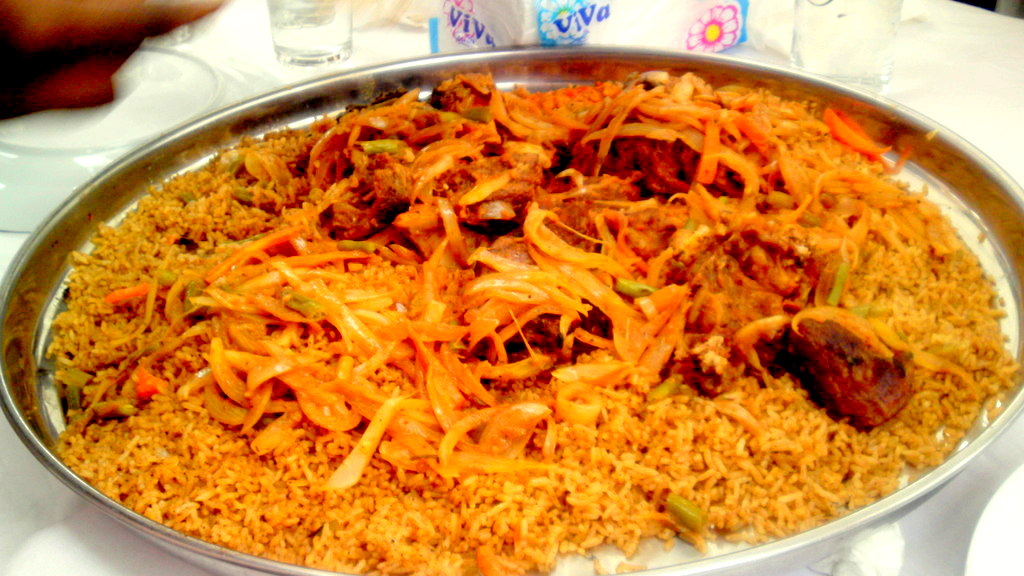 Riz grasMeat
🇧🇫 Burkina Faso and 4 moreWest African rice cooked with meat and vegetables, served hot
Main dish, Lunch, Dinner
Riz grasMeat
🇧🇫 Burkina Faso and 4 moreWest African rice cooked with meat and vegetables, served hot
Main dish, Lunch, Dinner
 ParmigianaVegetarian
🇮🇹 Italy and 5 moreEggplant slices fried, layered with cheese and tomato sauce, then baked
Main dish, Lunch, Dinner
ParmigianaVegetarian
🇮🇹 Italy and 5 moreEggplant slices fried, layered with cheese and tomato sauce, then baked
Main dish, Lunch, Dinner