
Kama
In its own language: талқан
Roasted grain and legume flour mixed with milk or buttermilk
Kama is a traditional food from Estonia and Finland made from a blend of roasted grain and legume flours, such as barley, rye, oat, and pea. It is usually eaten uncooked by mixing the flour with milk, buttermilk, or kefir, and is popular as a quick breakfast or snack. Each region has its own blend, and it is often sweetened or combined with berries.
- Made from roasted barley, rye, oat, and pea flour
- Mixed with milk or buttermilk and eaten uncooked
- Popular in Estonia and Finland as a quick breakfast
- Often sweetened and served with berries in Finland
- Seen as a national food in Estonia
What is Kama?
Kama is a flour blend made from roasted grains and legumes, most often barley, rye, oat, and peas. The flour is fine and dry, and is not baked or cooked further. To eat it, people mix the flour with cold milk, buttermilk, or kefir, forming a smooth, thick mush. In Finland, it is sometimes sweetened with sugar, honey, or fruit, and often combined with berries like blueberries. The taste is nutty and slightly sweet, with a toasted aroma from the roasted grains.
Where does Kama come from?
Kama has its roots in southern Estonia, where it was a staple for farmers. Each area used its own mix of grains and legumes, depending on what was available—oats, peas, beans, or wheat. The flour was valued for being easy to carry and long-lasting, making it a practical food for travel or work in the fields. In Finland, a similar flour called talkkuna is made by steaming, grinding, and roasting grains. The dish remains popular in Estonia, where it is seen as a national food.
How is Kama made?
To make kama, grains and legumes are first roasted to bring out a deep flavor and to dry them. The roasted mix is then finely milled into a flour. In Finland, the process often starts with steaming the grains before roasting. The flour is stored dry and does not spoil easily. When ready to eat, it is simply stirred into milk, buttermilk, or kefir. Some versions are rolled into balls with butter or lard, while others are sweetened or mixed with berries.


How and when is Kama eaten?
Kama is usually eaten for breakfast or as a snack. It is not cooked after mixing, making it a fast meal. In Estonia and Finland, people often eat it cold, mixed with dairy and sometimes sweetened. In Finland, it is common to add blueberries, especially for a dish called mustikkapöperö. The flour can also be used in desserts or with sour dairy products and forest berries. It is filling and was once a practical food for farmers and travelers.
Kinds of Kama
The mix of grains and legumes in kama changes by region. Some versions use more wheat or add beans, while others rely mostly on oats or barley. In Russia, a similar product called tolokno is made mainly from oats, steamed and ground, and eaten with milk or berries. In Finland, talkkuna is used in both sweet and savory dishes, and can be sweetened with honey or fruit. Other cultures have related roasted flours, such as Swedish skrädmjöl and Turkic talqan.
What Kama means
Kama is a symbol of Estonian national food culture and is still widely eaten today. It is valued for its simplicity and connection to rural traditions. In Russia, tolokno porridge marks the harvest period in some areas. In Finland, talkkuna is part of traditional breakfasts and desserts, especially with local berries. The dish's practicality and long shelf life made it important in the past, and it remains a nostalgic and distinctive food.
Questions people ask about Kama
What is kama made of?
Kama is made from a blend of roasted flours, usually including barley, rye, oat, and pea. The exact mix can vary by region, and sometimes wheat or beans are used.
Where does kama come from?
Kama comes from the Baltic region, especially Estonia and Finland. It originated as a farmer's food in southern Estonia and has related forms in Finland and Russia.
How is kama eaten?
Kama flour is mixed with cold milk, buttermilk, or kefir to make a thick mush. In Finland, it is often sweetened and served with berries, especially blueberries.
Is kama cooked before eating?
No, kama is not cooked after mixing. The grains and legumes are roasted and milled into flour, which is then eaten uncooked by mixing with dairy.
Is kama vegetarian?
Yes, kama is vegetarian. It contains only grains, legumes, and dairy products like milk or buttermilk.
Good reading and sources
The facts on this page come from the Wikipedia article "Kama (food)", written by its contributors and used under the CC BY-SA 4.0 licence, and from its Wikidata record (CC0). Thali rewrote the text in its own words, with AI assistance, and compares every page with the article to make sure no passage is copied. It may be reused under the same CC BY-SA 4.0 licence with a link back.
It may contain mistakes, and it is not dietary or allergy advice: recipes differ from cook to cook. If something is wrong, tell us. Last refreshed 2026-10-03.
More from Estonia
All the food of Estonia Karelian pastyVegetariankarjalanpiirakka
🇫🇮 Finland and 2 moreThin rye-crust pasties from Karelia, filled with rice or potato
Pie or savoury pastry, Breakfast, Lunch
Karelian pastyVegetariankarjalanpiirakka
🇫🇮 Finland and 2 moreThin rye-crust pasties from Karelia, filled with rice or potato
Pie or savoury pastry, Breakfast, Lunch
 Pirogпирог
🇷🇺 Russia and 5 moreA baked pie with sweet or savory filling, common in Eastern Europe
Pie or savoury pastry
Pirogпирог
🇷🇺 Russia and 5 moreA baked pie with sweet or savory filling, common in Eastern Europe
Pie or savoury pastry
 Kefir
🇷🇺 Russia and 5 moreA tangy, fermented milk drink made with kefir grains
Drink, Breakfast, Lunch
Kefir
🇷🇺 Russia and 5 moreA tangy, fermented milk drink made with kefir grains
Drink, Breakfast, Lunch
Its cousins elsewhere
All main dishes HaleemMeat
🇮🇳 India and 7 moreA slow-cooked stew of wheat, lentils, meat and spices
Stew or curry, Breakfast, Lunch
HaleemMeat
🇮🇳 India and 7 moreA slow-cooked stew of wheat, lentils, meat and spices
Stew or curry, Breakfast, Lunch
 Pancake
🇺🇸 United States and 5 moreFlat cakes made from batter, cooked on a griddle or pan and served sweet or savoury
Main dish, Breakfast, Snacks
Pancake
🇺🇸 United States and 5 moreFlat cakes made from batter, cooked on a griddle or pan and served sweet or savoury
Main dish, Breakfast, Snacks
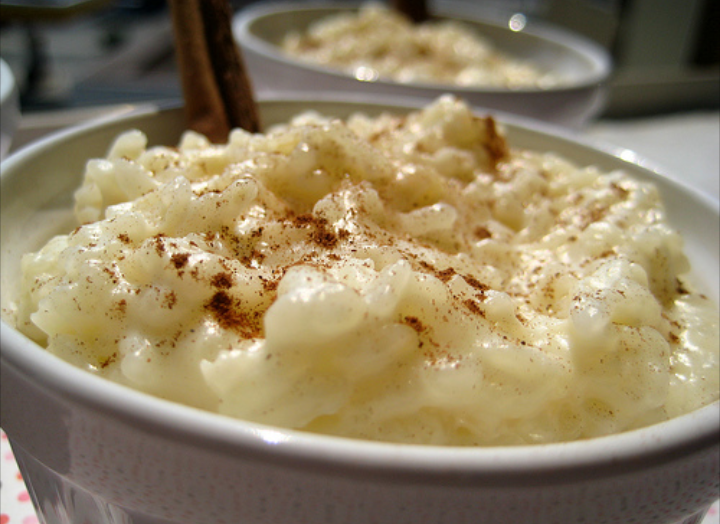 Rice pudding
🇮🇳 India and 4 moreSweetened rice cooked in milk, found in many forms worldwide
Sweet or dessert, Breakfast, Lunch
Rice pudding
🇮🇳 India and 4 moreSweetened rice cooked in milk, found in many forms worldwide
Sweet or dessert, Breakfast, Lunch
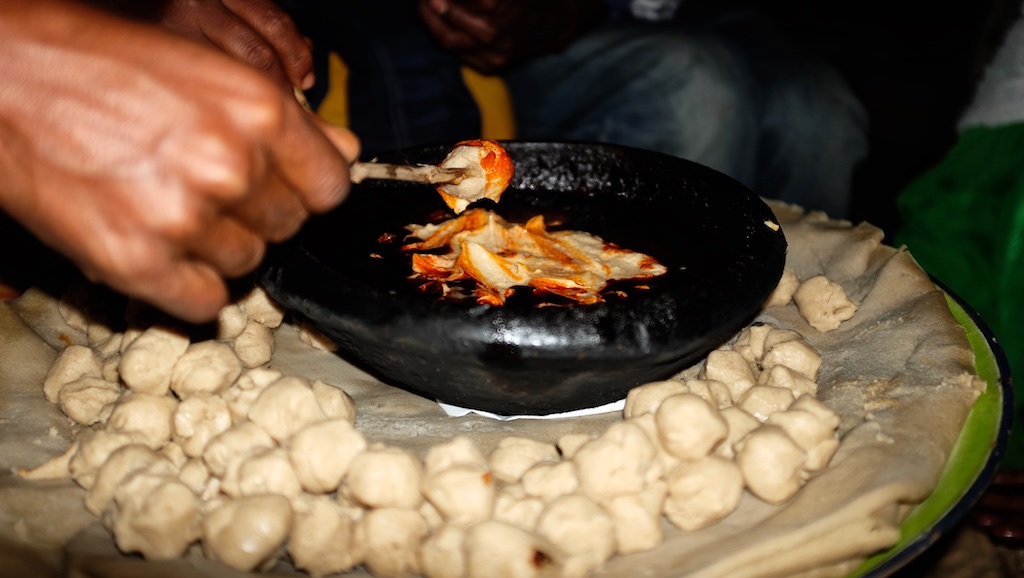 TihloMeatጥሕሎ
🇪🇹 EthiopiaBarley dough balls served with spicy meat stew from Tigray, Ethiopia
Main dish, Snacks, Lunch
TihloMeatጥሕሎ
🇪🇹 EthiopiaBarley dough balls served with spicy meat stew from Tigray, Ethiopia
Main dish, Snacks, Lunch