Kasiri
Fermented cassava drink made by Amerindian peoples of northern South America
Kasiri is a traditional alcoholic drink from Suriname, Venezuela, and Guyana, made by fermenting the juice of grated cassava root. In some places, the cassava is chewed to help convert starches to sugars before fermentation. It is prepared and consumed by Amerindian communities.
- Made by fermenting cassava juice
- Chewing cassava adds saliva enzymes for fermentation
- Traditional among Amerindian peoples
- Also called cassava beer
- A syrup called kasripo is made by boiling the juice
What is Kasiri?
Kasiri is a homemade alcoholic drink made from the root of the cassava plant. The process starts by grating cassava, mixing it with water, and pressing it to extract juice. In some regions, the cassava is chewed and spat out, letting the enzymes in saliva break down starch into sugar. The juice is then left to ferment, producing a mildly alcoholic beverage. The drink is cloudy and can have a slightly sour taste, reflecting the fermentation process.
Where does Kasiri come from?
Kasiri comes from the Amerindian peoples of northern South America, especially in Suriname, Venezuela, and Guyana. It is a longstanding part of local traditions, with each community having its own way of preparing it. The method of using saliva to start fermentation is an ancient practice, also found in other indigenous drinks. The drink is closely tied to the use of cassava, a staple crop in the region.
How is Kasiri made?
To make kasiri, cassava roots are first grated and mixed with water. The mixture is pressed, often using a woven cylindrical basket, to separate the juice. In Suriname and Brazil, the grated cassava may be chewed and spat out to add saliva, which helps turn starch into sugar. The juice is then left to ferment naturally, resulting in an alcoholic drink. Sometimes, the juice is boiled down to make a thick syrup called kasripo or cassareep, but this is not the same as kasiri.
How and when is Kasiri eaten?
Kasiri is usually made and consumed within Amerindian communities, often as a part of daily life. It is shared among family and friends, sometimes during gatherings or communal events. The drink is not tied to a specific meal or festival, and is enjoyed as a local beverage. The process of making and drinking kasiri is often social, with people participating in its preparation.
Kinds of Kasiri
There are differences in how kasiri is made across regions. In Suriname and Brazil, the use of chewing to add saliva is common, while in other areas the cassava may just be grated and pressed. The resulting drink can vary in strength and flavor depending on the length of fermentation and the method used. The syrup called kasripo or cassareep is a byproduct, used for flavoring rather than drinking.
What Kasiri means
Kasiri is more than just a drink; it is part of the cultural heritage of Amerindian groups in northern South America. The preparation process is often a communal activity, reflecting traditional knowledge and social bonds. The drink is not widely commercialized and remains a symbol of indigenous identity and resourcefulness, especially in rural areas.
Questions people ask about Kasiri
What is kasiri made from?
Kasiri is made from the root of the cassava plant, water, and sometimes saliva, which helps start fermentation.
Where does kasiri come from?
Kasiri is a traditional drink of Amerindian peoples in Suriname, Venezuela, Guyana, and Brazil.
How is kasiri made?
Cassava roots are grated, mixed with water, and pressed to extract juice. In some regions, the cassava is chewed to add saliva before fermentation.
Is kasiri alcoholic?
Yes, kasiri is an alcoholic beverage produced by fermenting cassava juice.
What does the preparation involve?
The process includes grating cassava, extracting the juice, sometimes adding saliva, and fermenting the liquid.
Good reading and sources
The facts on this page come from the Wikipedia article "Kasiri", written by its contributors and used under the CC BY-SA 4.0 licence, and from its Wikidata record (CC0). Thali rewrote the text in its own words, with AI assistance, and compares every page with the article to make sure no passage is copied. It may be reused under the same CC BY-SA 4.0 licence with a link back.
It may contain mistakes, and it is not dietary or allergy advice: recipes differ from cook to cook. If something is wrong, tell us. Last refreshed 2026-10-03.
More from Suriname
All the food of Suriname Roti
🇮🇳 India and 5 moreUnleavened flatbread made from whole-wheat flour, common across South Asia and beyond
Bread, Breakfast, Lunch
Roti
🇮🇳 India and 5 moreUnleavened flatbread made from whole-wheat flour, common across South Asia and beyond
Bread, Breakfast, Lunch
 Nasi goreng
🇮🇩 Indonesia and 5 moreSoutheast Asian fried rice seasoned with sweet soy sauce and spices
Main dish, Breakfast, Lunch
Nasi goreng
🇮🇩 Indonesia and 5 moreSoutheast Asian fried rice seasoned with sweet soy sauce and spices
Main dish, Breakfast, Lunch
 StollenVegetarian
🇩🇪 Germany and 2 moreGerman fruit bread with dried fruit, nuts, spices and a sugar-dusted crust
Sweet or dessert, Tea time, Snacks
StollenVegetarian
🇩🇪 Germany and 2 moreGerman fruit bread with dried fruit, nuts, spices and a sugar-dusted crust
Sweet or dessert, Tea time, Snacks
 Soto
🇮🇩 Indonesia and 3 moreIndonesian soup of spiced broth, meat and vegetables with many regional versions
Soup, Lunch, Dinner
Soto
🇮🇩 Indonesia and 3 moreIndonesian soup of spiced broth, meat and vegetables with many regional versions
Soup, Lunch, Dinner
Its cousins elsewhere
All drinks TeaVegan茶
🇨🇳 China and 5 moreA drink made by soaking tea leaves in hot or cold water
Drink
TeaVegan茶
🇨🇳 China and 5 moreA drink made by soaking tea leaves in hot or cold water
Drink
 VodkaVeganwódka
🇷🇺 Russia and 5 moreA clear spirit distilled from grains or potatoes, known for its neutral taste
Drink
VodkaVeganwódka
🇷🇺 Russia and 5 moreA clear spirit distilled from grains or potatoes, known for its neutral taste
Drink
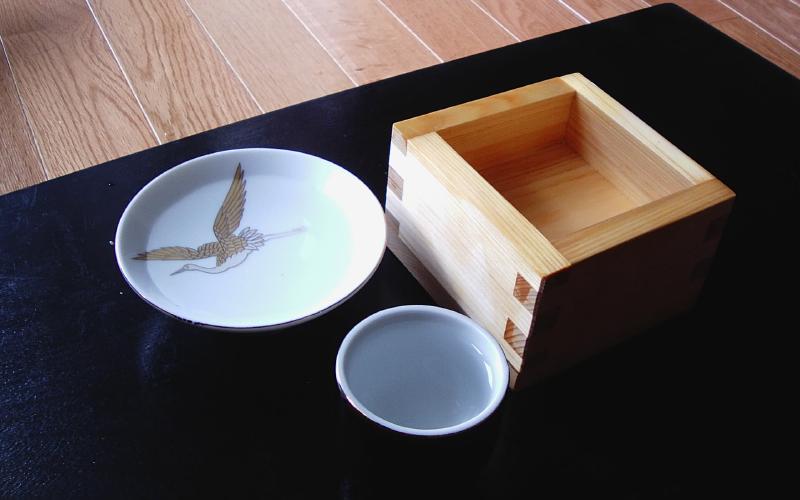 SakeVegan酒
🇯🇵 JapanJapanese alcoholic drink brewed from polished rice and kōji mold
Drink
SakeVegan酒
🇯🇵 JapanJapanese alcoholic drink brewed from polished rice and kōji mold
Drink
 KvassVeganквас
🇷🇺 Russia and 5 moreA tangy, slightly sweet fermented drink made from rye bread or flour
Drink
KvassVeganквас
🇷🇺 Russia and 5 moreA tangy, slightly sweet fermented drink made from rye bread or flour
Drink