
Kourdass
Lamb offal sausage, salted, spiced, sun-dried and boiled for festivals and weddings
Kourdass is a festive food from Morocco and Algeria, made by seasoning and sun-drying lamb offal wrapped in stomach and intestine. It is prepared after Eid al-Adha to preserve leftover meat and is served boiled, sometimes grilled or fried, at weddings, festivals, and on Ashura. Spices like cumin, saffron, and garlic give it a rich flavor.
- Made from lamb offal, salted and spiced
- Sun-dried for up to 20 days before cooking
- Served at weddings, festivals, and on Ashura
- Linked to Eid al-Adha traditions
- Can be boiled, grilled, or fried
What is Kourdass?
Kourdass is a traditional sausage-like food from Morocco and Algeria, made with various parts of lamb offal such as fat, intestines, spleen, lungs, liver, and stomach. The offal is cut up, salted, and seasoned with spices like cumin, saffron, garlic, red pepper, black pepper, and coriander. This mixture is stuffed into a cleaned lamb stomach and wrapped with intestine. After being sun-dried, kourdass is boiled and sometimes grilled or fried before serving. It is rich, savory, and aromatic from the blend of spices and preserved meat.
Where does Kourdass come from?
Kourdass has roots in both Moroccan and Algerian cooking and is closely tied to the Islamic holiday Eid al-Adha. During this holiday, families sacrifice an animal and preserve some of the meat for later use. Kourdass was developed as a way to save the last of the meat by curing and drying it before the rainy season. It is especially prepared in early winter, using traditional sun-drying methods on terraces. The dish is linked to religious and communal gatherings, reflecting the importance of sharing and preservation in local culture.
How is Kourdass made?
To make kourdass, lamb offal is cut into pieces and marinated overnight with salt and a mix of spices such as cumin, saffron, garlic, red pepper, black pepper, and coriander. The seasoned offal is then stuffed into a washed lamb stomach and wrapped in intestine. The filled sausage is left to dry in the sun for 15 to 20 days, usually on rooftops or terraces, and brought inside at night. Once dried, kourdass is boiled and can be further grilled or fried before serving.

How and when is Kourdass eaten?
Kourdass is served hot, often as part of a festive meal at weddings, religious holidays, and large gatherings. It is commonly eaten at lunch or dinner, sometimes alongside couscous or other traditional dishes. The dish is shared with family and friends, especially during Ashura, when preserved meats are brought out for communal meals. Its preparation and serving are tied to special occasions, making it a symbol of hospitality and celebration.
Kinds of Kourdass
While the basic method and ingredients are similar in Morocco and Algeria, the exact blend of spices or the choice of offal parts can vary by family or region. Some cooks may grill or fry the sausage after boiling for extra flavor and texture. The timing and method of sun-drying can also differ depending on local climate and custom.
What Kourdass means
Kourdass is more than just a preserved meat; it is a dish deeply woven into the fabric of religious and social life in Morocco and Algeria. Its preparation marks the end of Eid al-Adha, reflecting traditions of sharing, preservation, and community. It is a highlight at weddings and festivals, and its presence at Ashura lunches brings families and friends together. The dish stands as a testament to resourcefulness and celebration in North African culture.
When Kourdass is on the table
Questions people ask about Kourdass
What is kourdass made of?
Kourdass is made from lamb offal, including fat, intestines, spleen, lungs, liver, and stomach. The meat is salted, seasoned with spices like cumin, saffron, garlic, red pepper, black pepper, and coriander, then wrapped in stomach and intestine.
Where does kourdass come from?
Kourdass comes from Morocco and Algeria, where it is part of traditional cuisine and is especially tied to religious and festive occasions.
How is kourdass prepared?
The offal is cut, salted, and marinated with spices overnight. It is then stuffed into a lamb stomach, wrapped in intestine, and sun-dried for 15 to 20 days. Before eating, it is boiled and sometimes grilled or fried.
When is kourdass usually eaten?
Kourdass is eaten during special events such as weddings, festivals, and religious holidays like Ashura and Eid al-Adha. It is often served at lunch or dinner.
What does kourdass mean in local culture?
Kourdass is a symbol of hospitality and celebration, marking important religious and social events. Its preparation and sharing reflect traditions of preservation and community in Moroccan and Algerian life.
Good reading and sources
The facts on this page come from the Wikipedia article "Kourdass", written by its contributors and used under the CC BY-SA 4.0 licence, and from its Wikidata record (CC0). Thali rewrote the text in its own words, with AI assistance, and compares every page with the article to make sure no passage is copied. It may be reused under the same CC BY-SA 4.0 licence with a link back.
It may contain mistakes, and it is not dietary or allergy advice: recipes differ from cook to cook. If something is wrong, tell us. Last refreshed 2026-10-03.
More from Morocco
All the food of Morocco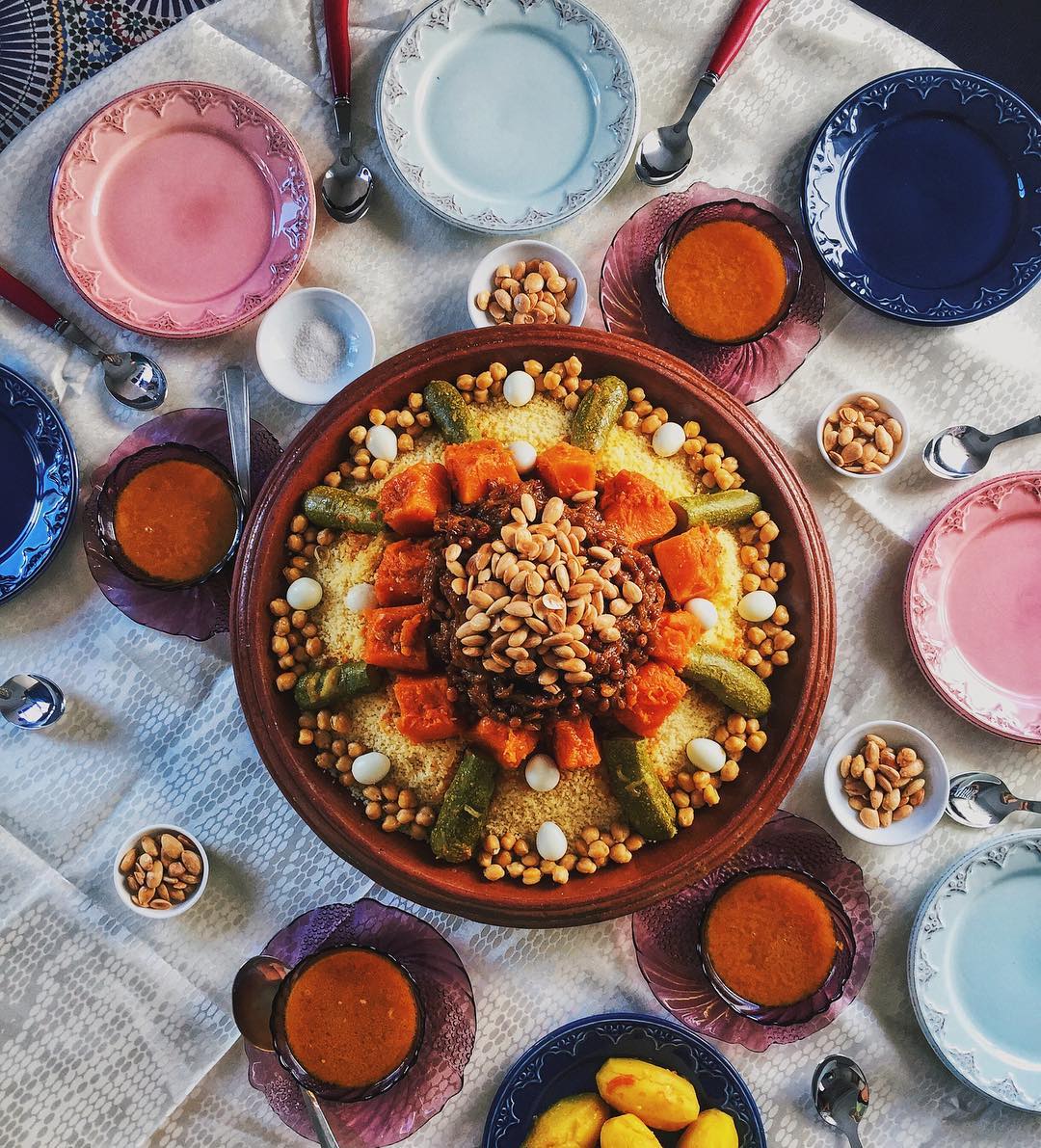 Couscousseksu
🇩🇿 Algeria and 4 moreSteamed semolina granules served with stew or vegetables across North Africa
Main dish, Lunch, Dinner
Couscousseksu
🇩🇿 Algeria and 4 moreSteamed semolina granules served with stew or vegetables across North Africa
Main dish, Lunch, Dinner
 KhleaMeatالخليع
🇲🇦 MoroccoMoroccan strips of beef or lamb preserved in fat and spices
Sausage or cured food
KhleaMeatالخليع
🇲🇦 MoroccoMoroccan strips of beef or lamb preserved in fat and spices
Sausage or cured food
 ShakshukaVegetarian
🇹🇳 Tunisia and 5 moreEggs poached in a spiced tomato and pepper sauce from North Africa
Main dish, Breakfast, Dinner
ShakshukaVegetarian
🇹🇳 Tunisia and 5 moreEggs poached in a spiced tomato and pepper sauce from North Africa
Main dish, Breakfast, Dinner
 Tajineطاجين
🇲🇦 Morocco and 4 moreNorth African stew slow-cooked in a cone-lidded clay pot
Main dish, Lunch, Dinner
Tajineطاجين
🇲🇦 Morocco and 4 moreNorth African stew slow-cooked in a cone-lidded clay pot
Main dish, Lunch, Dinner
Its cousins elsewhere
All main dishes Kabab Bargکباب برگ
🇮🇷 IranPersian skewered meat marinated and grilled over open fire
Main dish, Lunch, Dinner
Kabab Bargکباب برگ
🇮🇷 IranPersian skewered meat marinated and grilled over open fire
Main dish, Lunch, Dinner
 Menemen
🇹🇷 TurkeyEggs gently cooked with tomatoes, peppers, and spices, often served for breakfast in Turkey
Main dish, Breakfast, Lunch
Menemen
🇹🇷 TurkeyEggs gently cooked with tomatoes, peppers, and spices, often served for breakfast in Turkey
Main dish, Breakfast, Lunch
 RajmaVegetarian
🇮🇳 India and 2 moreKidney beans stewed with spices, often served with rice in North India and Nepal
Main dish, Lunch, Dinner
RajmaVegetarian
🇮🇳 India and 2 moreKidney beans stewed with spices, often served with rice in North India and Nepal
Main dish, Lunch, Dinner
 KebapcheMeatкебапче
🇧🇬 BulgariaGrilled minced meat shaped like a sausage, a staple in Bulgaria
Grill or roast, Lunch, Dinner
KebapcheMeatкебапче
🇧🇬 BulgariaGrilled minced meat shaped like a sausage, a staple in Bulgaria
Grill or roast, Lunch, Dinner