
Luchi
Crisp, deep-fried flatbread made with white flour and ghee
Luchi is a round, deep-fried bread from Bengal, made with refined wheat flour (maida), ghee, and water. It is a staple during Bengali festivals and special occasions, often served hot with dishes like potato curry, dal, or mutton. Luchi is enjoyed at any meal, from breakfast to dinner, and has several regional and festive versions.
- Luchi is deep-fried and made with refined wheat flour and ghee
- It is a traditional bread for Bengali festivals like Durga Puja
- Earliest mention of luchi by name dates to 1660
- Variants include stuffed and flaky versions
- Luchi is eaten hot with dishes like potato curry or dal
What is Luchi?
Luchi is a small, round bread that puffs up when fried, forming a light, airy center and a crisp surface. The dough is made from refined wheat flour, ghee (clarified butter), and water, sometimes with a touch of semolina. Each piece is shaped into a thin disc and deep-fried until it turns golden. Luchi is known for its delicate texture and mild, buttery flavor. It is usually served hot and pairs well with both savory and sweet accompaniments.
Where does Luchi come from?
Luchi traces its roots to Bengal, with its earliest form called shaskuli, described in the 11th century. The bread was first mentioned by name in a Bengali text from 1660. Over time, luchi became a symbol of festive and special meals in Bengali culture. Its name may come from words meaning 'slippery' or 'appetizing', reflecting its texture or appeal. Luchi was once reserved for special occasions, especially before wheat became widely available in Bengal during the 20th century.
How is Luchi made?
To prepare luchi, maida flour is mixed with ghee and water to form a soft dough. The dough is divided into small balls, rolled into thin circles, and deep-fried one at a time in hot oil or ghee. As each disc fries, it puffs up with steam, creating a hollow center. The bread is flipped to cook both sides evenly, then served immediately while still hot and crisp. Some versions add extra ghee for a flakier texture or include spices or fillings.


How and when is Luchi eaten?
Luchi is enjoyed at any meal, from breakfast to dinner, and is a highlight of Bengali festive tables. It is often accompanied by dishes like aloo dum (spiced potatoes), dal (lentils), or mutton curry. During festivals such as Durga Puja, luchi may be served with sweet or rich fillings. The bread is typically torn by hand and used to scoop up side dishes. In some families, there is a custom of tearing luchi with the thumb and first two fingers.
Kinds of Luchi
There are many ways luchi is adapted across Bengal. Khasta luchi uses extra ghee for a crumbly bite, while radhabollobi is stuffed with spiced lentils. Kachori is a close relative, filled with peas or other ingredients. Some versions include black pepper, minced meat, or even vegetables like beetroot or spinach for color. In certain places, luchi is made extra large, bowl-shaped, or even tiny for religious offerings.
What Luchi means
Luchi holds a special place in Bengali celebrations and rituals, especially during major festivals. It is considered a treat for special days, often served to guests and at religious events. In the past, luchi was a mark of status, featured in aristocratic and Anglo-Indian meals. Its presence at temple offerings and family gatherings reflects its role in both daily life and festive traditions. Unique local forms are tied to specific temples and ceremonies.
When Luchi is on the table
Questions people ask about Luchi
What is luchi made of?
Luchi is prepared from maida flour (refined wheat flour), ghee, and water. Sometimes semolina is added for texture, and the dough is deep-fried to make the bread puff up.
Where does luchi come from?
Luchi has its origins in Bengal, a region that spans parts of eastern India and Bangladesh. It has been part of Bengali cuisine for centuries and is especially popular during festivals.
How is luchi different from puri?
Luchi uses maida flour and ghee, giving it a softer, more delicate texture, while puri is made with whole wheat flour (atta) and less fat, resulting in a firmer bread.
When is luchi usually eaten?
Luchi is served at any meal, including breakfast, lunch, afternoon tea, or dinner. It is especially common during religious festivals and special occasions.
Are there different types of luchi?
Yes, variations include khasta luchi (flaky), radhabollobi (stuffed with lentils), and versions with spices, meat, or colorful vegetables. Some are made for specific festivals or temple offerings.
Good reading and sources
The facts on this page come from the Wikipedia article "Luchi", written by its contributors and used under the CC BY-SA 4.0 licence, and from its Wikidata record (CC0). Thali rewrote the text in its own words, with AI assistance, and compares every page with the article to make sure no passage is copied. It may be reused under the same CC BY-SA 4.0 licence with a link back.
It may contain mistakes, and it is not dietary or allergy advice: recipes differ from cook to cook. If something is wrong, tell us. Last refreshed 2026-10-03.
More from India
All the food of India ChapatiVeganचपाती
🇮🇳 India and 4 moreUnleavened flatbread cooked on a griddle and served hot with meals
Bread, Breakfast, Lunch
ChapatiVeganचपाती
🇮🇳 India and 4 moreUnleavened flatbread cooked on a griddle and served hot with meals
Bread, Breakfast, Lunch
 Mangalore bunsVegetarian
🇮🇳 IndiaMildly sweet, deep-fried bread from coastal Karnataka made with banana and flour
Bread, Breakfast, Snacks
Mangalore bunsVegetarian
🇮🇳 IndiaMildly sweet, deep-fried bread from coastal Karnataka made with banana and flour
Bread, Breakfast, Snacks
 Roti canaiரொட்டி சென்னை
🇲🇾 Malaysia and 5 moreUnleavened flatbread tossed thin and cooked until crisp, served with curry or dal
Bread, Breakfast, Snacks
Roti canaiரொட்டி சென்னை
🇲🇾 Malaysia and 5 moreUnleavened flatbread tossed thin and cooked until crisp, served with curry or dal
Bread, Breakfast, Snacks
Its cousins elsewhere
All breads BaguetteVegan
🇫🇷 France and 5 moreLong, thin French bread with a crisp crust and soft interior
Bread, Breakfast, Lunch
BaguetteVegan
🇫🇷 France and 5 moreLong, thin French bread with a crisp crust and soft interior
Bread, Breakfast, Lunch
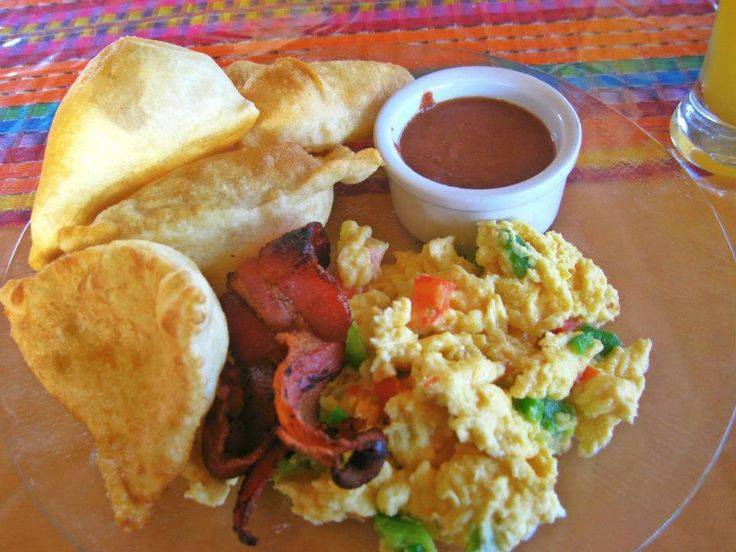 Fry jackVegetarian
🇧🇿 BelizeDeep-fried breakfast dough from Belize, served plain or with sweet or savoury toppings
Bread, Breakfast
Fry jackVegetarian
🇧🇿 BelizeDeep-fried breakfast dough from Belize, served plain or with sweet or savoury toppings
Bread, Breakfast
 PitaVegan
🇪🇬 Egypt and 5 moreRound, leavened flatbread baked from wheat flour, common across the Middle East and Mediterranean
Bread
PitaVegan
🇪🇬 Egypt and 5 moreRound, leavened flatbread baked from wheat flour, common across the Middle East and Mediterranean
Bread
 Bagel
🇵🇱 Poland and 2 moreRing-shaped bread roll, boiled then baked for a dense, chewy texture
Bread, Breakfast, Lunch
Bagel
🇵🇱 Poland and 2 moreRing-shaped bread roll, boiled then baked for a dense, chewy texture
Bread, Breakfast, Lunch