Mămăligă
Thick cornmeal porridge, a staple in Romania and Moldova
Mămăligă is a traditional dish from Romania and Moldova made by boiling cornmeal with water and salt. It can be served thick enough to slice or soft like porridge, and is often eaten with cheese, sour cream, or meats. Once a peasant staple, it remains a central part of meals and is used as a bread substitute or side.
- Made by boiling cornmeal with water and salt
- Traditionally cooked in a cast iron pot called ceaun or tuci
- Once made with millet before corn arrived in Europe
- Can be sliced with a string when firm
- Often served with cheese, sour cream, or meats
What is Mămăligă?
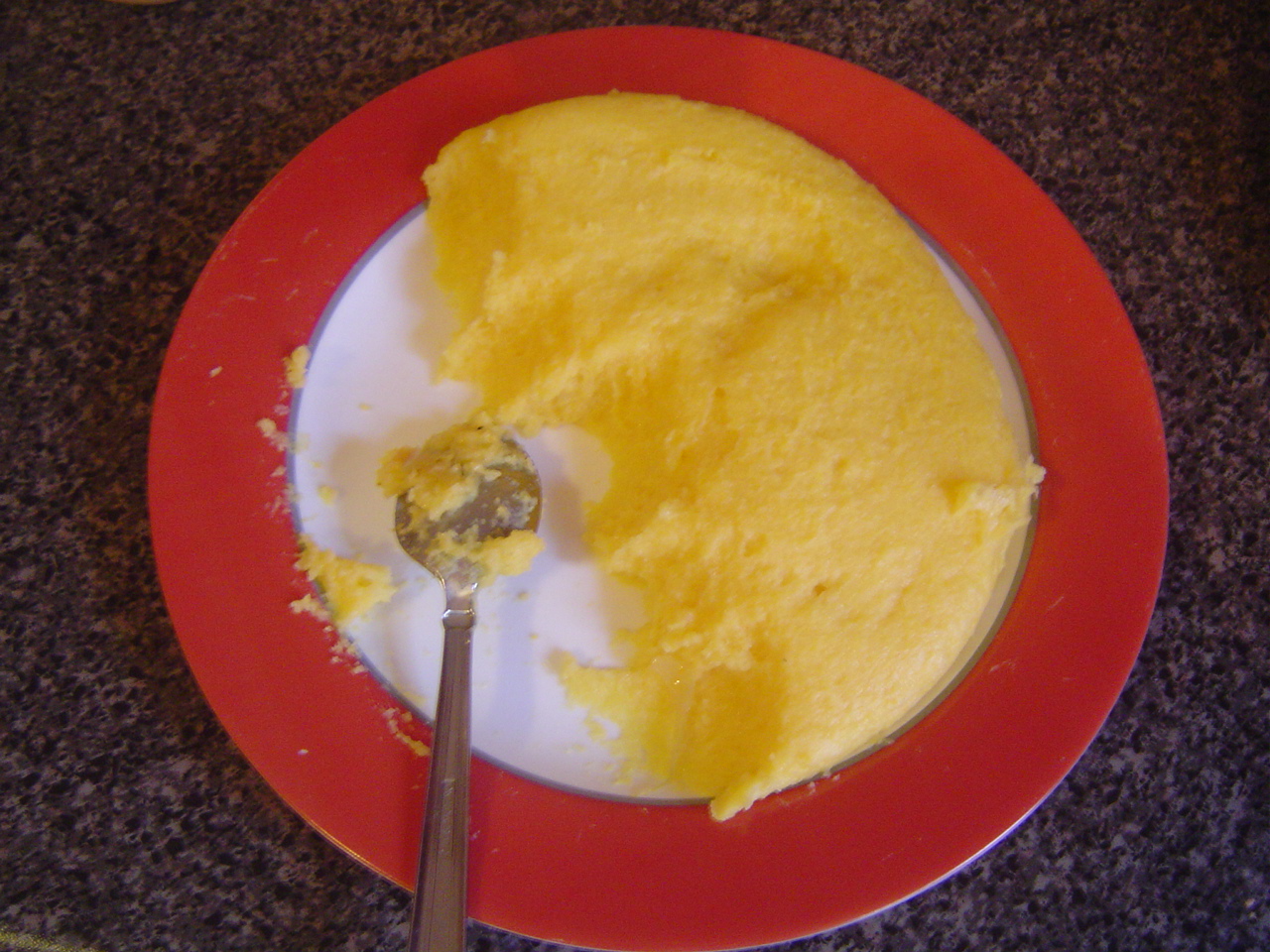
Mămăligă is a dish made by boiling cornmeal with water and salt until it thickens. The result can range from a firm, sliceable loaf to a softer, spoonable porridge. Traditionally, it is cooked in a heavy cast iron pot called a ceaun or tuci. The color is a deep yellow, and its taste is mild and slightly sweet from the corn. Mămăligă is often served with additions like cheese, sour cream, milk, or meats, and can be eaten alone or as a side.
Where does Mămăligă come from?
Before corn arrived in Eastern Europe in the 16th century, mămăligă was made with millet flour and known to the Romans as pulmentum. Maize, brought from the Americas, gradually replaced millet, especially as it grew well in the Danube Valley. By the 17th and 18th centuries, cornmeal mămăligă became a staple food, especially during times of famine. Its spread is linked to trade and local rulers introducing corn to different regions. The dish has deep roots in rural life and was once a primary food for peasants and slaves.
How is Mămăligă made?
To make mămăligă, water and salt are brought to a boil, then cornmeal is stirred in and cooked until thick. The mixture is simmered, often in a cast iron pot, and stirred to prevent lumps. For a firmer version, it is cooked longer and can be cut into slices with a string. Softer mămăligă is more like porridge. Sometimes, it is pan-fried after cooking or baked with cheese and butter for dishes like bulz.



How and when is Mămăligă eaten?
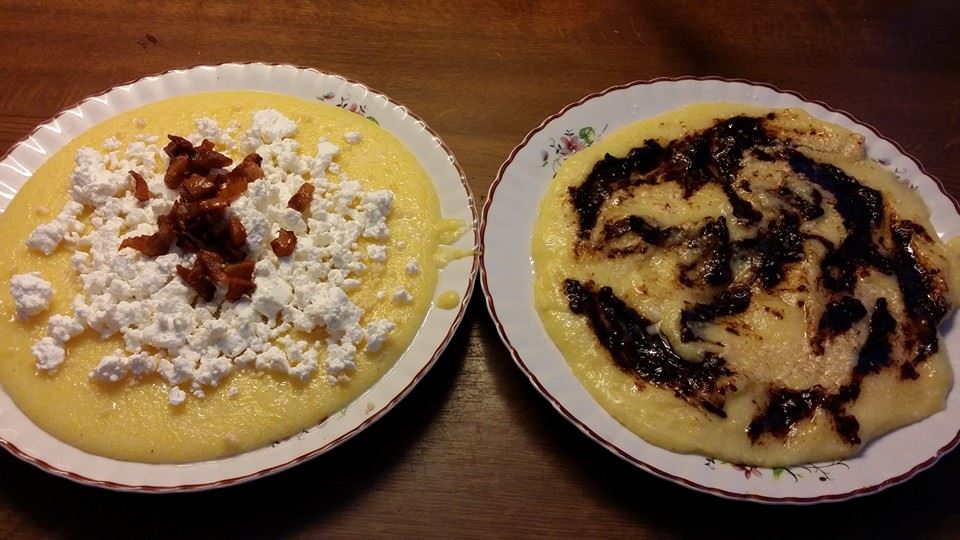
Mămăligă is eaten as a main or side dish at lunch or dinner. It is commonly served with sour cream and cheese, or with meats such as pork or fried fish. In Moldova, it may be paired with mujdei, a garlic and oil sauce. Slices can be pan-fried or crushed into hot milk. It often replaces bread at the table and is eaten by hand or with a spoon, depending on its consistency.
Kinds of Mămăligă
Regional versions include bulz, where mămăligă is stuffed with cheese and butter and baked, and balmoș, which uses sheep milk instead of water and adds cheeses and cream. In Hungary, it is known as puliszka and can be sweet or savory. Similar dishes exist across Eastern Europe and the Balkans under names like kačamak and kulesha, and in Italy as polenta.
What Mămăligă means
Mămăligă is a symbol of rural and peasant life in Romania and Moldova. It appears in literature, such as in Bram Stoker's 'Dracula' and Hungarian folktales. Once considered food for the poor, it is now valued for its simplicity and tradition. The dish is part of everyday meals and is linked to national identity in its home countries.
Questions people ask about Mămăligă
What is mămăligă made of?
Mămăligă is made from cornmeal, water, and salt. Sometimes, it is served with cheese, sour cream, or meats, but the basic dish is just cornmeal boiled in salted water.
Where does mămăligă come from?
Mămăligă is traditional to Romania and Moldova, but is also found in Hungary and Ukraine. It has roots in rural Eastern European cooking and was once made with millet before corn was introduced.
How is mămăligă served?
It can be served thick and sliceable or soft like porridge. Mămăligă is often eaten with cheese, sour cream, milk, or meats, and sometimes pan-fried or baked with cheese.
Is mămăligă similar to polenta?
Yes, mămăligă is very similar to Italian polenta. Both are made from boiled cornmeal, but mămăligă is usually thicker and can be sliced like bread.
Is mămăligă vegan?
The basic version of mămăligă, made from cornmeal, water, and salt, is vegan. However, it is often served with dairy or meat, depending on the meal.
Good reading and sources
The facts on this page come from the Wikipedia article "Mămăligă", written by its contributors and used under the CC BY-SA 4.0 licence, and from its Wikidata record (CC0). Thali rewrote the text in its own words, with AI assistance, and compares every page with the article to make sure no passage is copied. It may be reused under the same CC BY-SA 4.0 licence with a link back.
It may contain mistakes, and it is not dietary or allergy advice: recipes differ from cook to cook. If something is wrong, tell us. Last refreshed 2026-10-03.
More from Romania
All the food of Romania Moussakaμουσακάς
🇬🇷 Greece and 5 moreBaked casserole of eggplant or potato, often layered with meat and sauce
Main dish, Lunch, Dinner
Moussakaμουσακάς
🇬🇷 Greece and 5 moreBaked casserole of eggplant or potato, often layered with meat and sauce
Main dish, Lunch, Dinner
 PolentaVegan
🇮🇹 Italy and 5 moreBoiled cornmeal porridge from northern Italy, served soft or set and sliced
Main dish
PolentaVegan
🇮🇹 Italy and 5 moreBoiled cornmeal porridge from northern Italy, served soft or set and sliced
Main dish
 Pâté
🇫🇷 France and 5 moreA smooth or coarse spread made from minced meat, liver, or vegetables
Sauce, pickle or ferment
Pierogi
🇵🇱 Poland and 6 moreDumplings of unleavened dough filled with savory or sweet mixtures
Dumpling, Lunch, Dinner
Pâté
🇫🇷 France and 5 moreA smooth or coarse spread made from minced meat, liver, or vegetables
Sauce, pickle or ferment
Pierogi
🇵🇱 Poland and 6 moreDumplings of unleavened dough filled with savory or sweet mixtures
Dumpling, Lunch, Dinner
Its cousins elsewhere
All main dishes ChapatiVeganचपाती
🇮🇳 India and 4 moreUnleavened flatbread cooked on a griddle and served hot with meals
Bread, Breakfast, Lunch
ChapatiVeganचपाती
🇮🇳 India and 4 moreUnleavened flatbread cooked on a griddle and served hot with meals
Bread, Breakfast, Lunch
 Pelmeniпельмени
🇷🇺 RussiaRussian dumplings filled with seasoned meat and wrapped in thin dough
Dumpling, Lunch, Dinner
Pelmeniпельмени
🇷🇺 RussiaRussian dumplings filled with seasoned meat and wrapped in thin dough
Dumpling, Lunch, Dinner
 TocinoMeat
🇵🇭 Philippines and 5 moreCured or fried pork enjoyed in Spain, the Philippines, and the Caribbean
Main dish, Breakfast, Lunch
TocinoMeat
🇵🇭 Philippines and 5 moreCured or fried pork enjoyed in Spain, the Philippines, and the Caribbean
Main dish, Breakfast, Lunch
 Udonうどん / 饂飩
🇯🇵 Japan and 4 moreThick wheat noodles served hot or cold in Japanese cooking
Noodle or pasta dish, Lunch, Dinner
Udonうどん / 饂飩
🇯🇵 Japan and 4 moreThick wheat noodles served hot or cold in Japanese cooking
Noodle or pasta dish, Lunch, Dinner