🇷🇴 The food of Romania
30 dishes from Romania, best known first.
Romanian cooking blends local traditions with influences from the Balkans, Central Europe, and the Ottoman world. Meals are built around pork, maize, and vegetables, with a fondness for sour soups and festive foods tied to Orthodox customs. Distinctive dishes and drinks mark the seasons and religious calendar.
- Ciorbă soups are soured with bran, vinegar, or sauerkraut juice.
- Mămăligă, a cornmeal porridge, is a staple across Romania.
- Pork is the main meat, especially for festive meals.
- Țuică, a strong plum brandy, uses most of Romania’s plum crop.
- Fasting periods mean vegan foods are common in shops and restaurants.
The cooking of Romania
Romanian food draws on the country’s farming and pastoral roots, shaped by its mountains and plains. Over centuries, it has absorbed dishes and techniques from neighbors and past empires, including the Ottomans, Greeks, Austrians, and Hungarians. Meals often feature pork, maize, and a wide variety of vegetables. Sour flavors are common, especially in soups called ciorbă, which are soured with ingredients like fermented wheat bran or vinegar. Many foods are shared with Moldova and other Balkan countries, but some, like mămăligă (cornmeal porridge), are especially central. Orthodox traditions influence what is eaten during fasting periods and holidays.
Staple foods in Romania
Maize, introduced in the 16th and 17th centuries, is a key staple, mainly as mămăligă. Pork is the most common meat, but beef, mutton, and fish are also used. Vegetables, cereals, dairy, and fruits are important, with cheese (brânză) having a long history. Potatoes, honey, and eggs are also widely used. Wine and plum brandy (țuică) are traditional drinks.
Sweets and drinks in Romania
Cozonac, a sweet bread with nuts, poppy seeds, or Turkish delight, is made for Christmas. Pasca, a sweet cheese pie, is served at Easter. Clătite are thin pancakes filled with jam, cheese, or meat. Wine has been made for thousands of years and is the main drink, with both local and international grape varieties. Beer is also popular, influenced by German brewing. Plum brandy (țuică) is widely distilled, using most of the country’s plum harvest.
From region to region in Romania
Romanian food varies by region, reflecting historical borders and local resources. In Moldavia and Wallachia, Ottoman and Greek influences are strong, seen in dishes like sarmale (stuffed cabbage) and chiftele (meatballs). The Banat region, with a Serbian minority, features cevapcici and other Balkan dishes. Transylvania shows Central European touches, such as schnitzel and goulash. Some foods, like mămăligă and sour soups, are found throughout the country.
At the table in Romania
Meals are often shaped by the Orthodox calendar, with fasting periods when only plant-based foods are eaten. Many dishes have vegan versions for these times. On Ignat’s Day before Christmas, rural families traditionally slaughter a pig and prepare a range of pork dishes. Meals can be elaborate during holidays, but everyday food is simpler, often centered around soup and mămăligă.
Festival and religious food in Romania
Christmas is marked by pork dishes like sausages, head cheese, and stews, made after the traditional pig slaughter. Cozonac sweet bread is served for dessert. At Easter, lamb is the main meat, with dishes like drob (offal loaf) and lamb soup. Pasca, a sweet cheese pie, is the festive cake for Easter.
The facts in this overview come from the Wikipedia article "Romanian cuisine", written by its contributors and used under the CC BY-SA 4.0 licence. Thali rewrote the text in its own words, with AI assistance, and compares every page with the article to make sure no passage is copied. It may be reused under the same CC BY-SA 4.0 licence with a link back.
 Borscht
🇺🇦 Ukraine and 5 moreA sour soup of beetroot and vegetables, served hot or cold across Eastern Europe
Soup, Lunch, Dinner
Easter egg
🇷🇺 Russia and 5 moreEggs dyed or decorated for Easter, symbolizing resurrection and new life
Sweet or dessert, Breakfast, Snacks
Borscht
🇺🇦 Ukraine and 5 moreA sour soup of beetroot and vegetables, served hot or cold across Eastern Europe
Soup, Lunch, Dinner
Easter egg
🇷🇺 Russia and 5 moreEggs dyed or decorated for Easter, symbolizing resurrection and new life
Sweet or dessert, Breakfast, Snacks
 Moussakaμουσακάς
🇬🇷 Greece and 5 moreBaked casserole of eggplant or potato, often layered with meat and sauce
Main dish, Lunch, Dinner
Moussakaμουσακάς
🇬🇷 Greece and 5 moreBaked casserole of eggplant or potato, often layered with meat and sauce
Main dish, Lunch, Dinner
 SauerkrautVegan
🇩🇪 Germany and 5 moreFinely shredded cabbage preserved by natural fermentation in salt
Sauce, pickle or ferment, Lunch, Dinner
SauerkrautVegan
🇩🇪 Germany and 5 moreFinely shredded cabbage preserved by natural fermentation in salt
Sauce, pickle or ferment, Lunch, Dinner
 Olivier saladсалат Оливье
🇷🇺 Russia and 5 moreA Russian salad of diced vegetables, meat and mayonnaise, served at festive meals
Salad or side, Dinner, Lunch
Olivier saladсалат Оливье
🇷🇺 Russia and 5 moreA Russian salad of diced vegetables, meat and mayonnaise, served at festive meals
Salad or side, Dinner, Lunch
 PolentaVegan
🇮🇹 Italy and 5 moreBoiled cornmeal porridge from northern Italy, served soft or set and sliced
Main dish
PolentaVegan
🇮🇹 Italy and 5 moreBoiled cornmeal porridge from northern Italy, served soft or set and sliced
Main dish
 Turkish delightVegan
🇹🇷 Turkey and 5 moreSoft, chewy cubes of starch and sugar, often flavored or filled with nuts or fruit
Sweet or dessert, Snacks, Tea time
Turkish delightVegan
🇹🇷 Turkey and 5 moreSoft, chewy cubes of starch and sugar, often flavored or filled with nuts or fruit
Sweet or dessert, Snacks, Tea time
 Pâté
🇫🇷 France and 5 moreA smooth or coarse spread made from minced meat, liver, or vegetables
Sauce, pickle or ferment
Pâté
🇫🇷 France and 5 moreA smooth or coarse spread made from minced meat, liver, or vegetables
Sauce, pickle or ferment
 SmetanaVegetarian
🇷🇺 Russia and 5 moreThick cultured cream used in Central and Eastern European cooking
Sauce, pickle or ferment, Breakfast, Lunch
Pierogi
🇵🇱 Poland and 6 moreDumplings of unleavened dough filled with savory or sweet mixtures
Dumpling, Lunch, Dinner
SmetanaVegetarian
🇷🇺 Russia and 5 moreThick cultured cream used in Central and Eastern European cooking
Sauce, pickle or ferment, Breakfast, Lunch
Pierogi
🇵🇱 Poland and 6 moreDumplings of unleavened dough filled with savory or sweet mixtures
Dumpling, Lunch, Dinner
 Cabbage roll
🇺🇦 Ukraine and 5 moreCooked cabbage leaves wrapped around seasoned fillings, simmered or baked
Main dish, Lunch, Dinner
Cabbage roll
🇺🇦 Ukraine and 5 moreCooked cabbage leaves wrapped around seasoned fillings, simmered or baked
Main dish, Lunch, Dinner
 AspicMeat
🇫🇷 France and 5 moreMeat or fish set in savoury gelatin, served cold as an appetizer or festive dish
Main dish, Lunch, Dinner
AspicMeat
🇫🇷 France and 5 moreMeat or fish set in savoury gelatin, served cold as an appetizer or festive dish
Main dish, Lunch, Dinner
 SaloMeat
🇺🇦 Ukraine and 4 moreSalt-cured slabs of pork fat, eaten across Central and Eastern Europe
Sausage or cured food, Snacks, Lunch
SaloMeat
🇺🇦 Ukraine and 4 moreSalt-cured slabs of pork fat, eaten across Central and Eastern Europe
Sausage or cured food, Snacks, Lunch
 ĆevapiMeatћевапи
🇧🇦 Bosnia and Herzegovina and 5 moreGrilled minced meat rolls served with flatbread and onions in Southeast Europe
Main dish, Lunch, Dinner
ĆevapiMeatћевапи
🇧🇦 Bosnia and Herzegovina and 5 moreGrilled minced meat rolls served with flatbread and onions in Southeast Europe
Main dish, Lunch, Dinner
 Lángos
🇭🇺 Hungary and 5 moreHungarian deep-fried flatbread, often topped with cheese or sour cream
Bread, Breakfast, Snacks
Lángos
🇭🇺 Hungary and 5 moreHungarian deep-fried flatbread, often topped with cheese or sour cream
Bread, Breakfast, Snacks
 SimitVegan
🇹🇷 Turkey and 5 moreRing-shaped bread with a sesame seed crust, sold by street vendors
Bread, Breakfast, Snacks
SimitVegan
🇹🇷 Turkey and 5 moreRing-shaped bread with a sesame seed crust, sold by street vendors
Bread, Breakfast, Snacks
 Imam BayıldıVeganİmam bayıldı
🇹🇷 Turkey and 5 moreAubergine stuffed with onion, garlic and tomato, simmered in olive oil
Main dish, Lunch, Dinner
Imam BayıldıVeganİmam bayıldı
🇹🇷 Turkey and 5 moreAubergine stuffed with onion, garlic and tomato, simmered in olive oil
Main dish, Lunch, Dinner
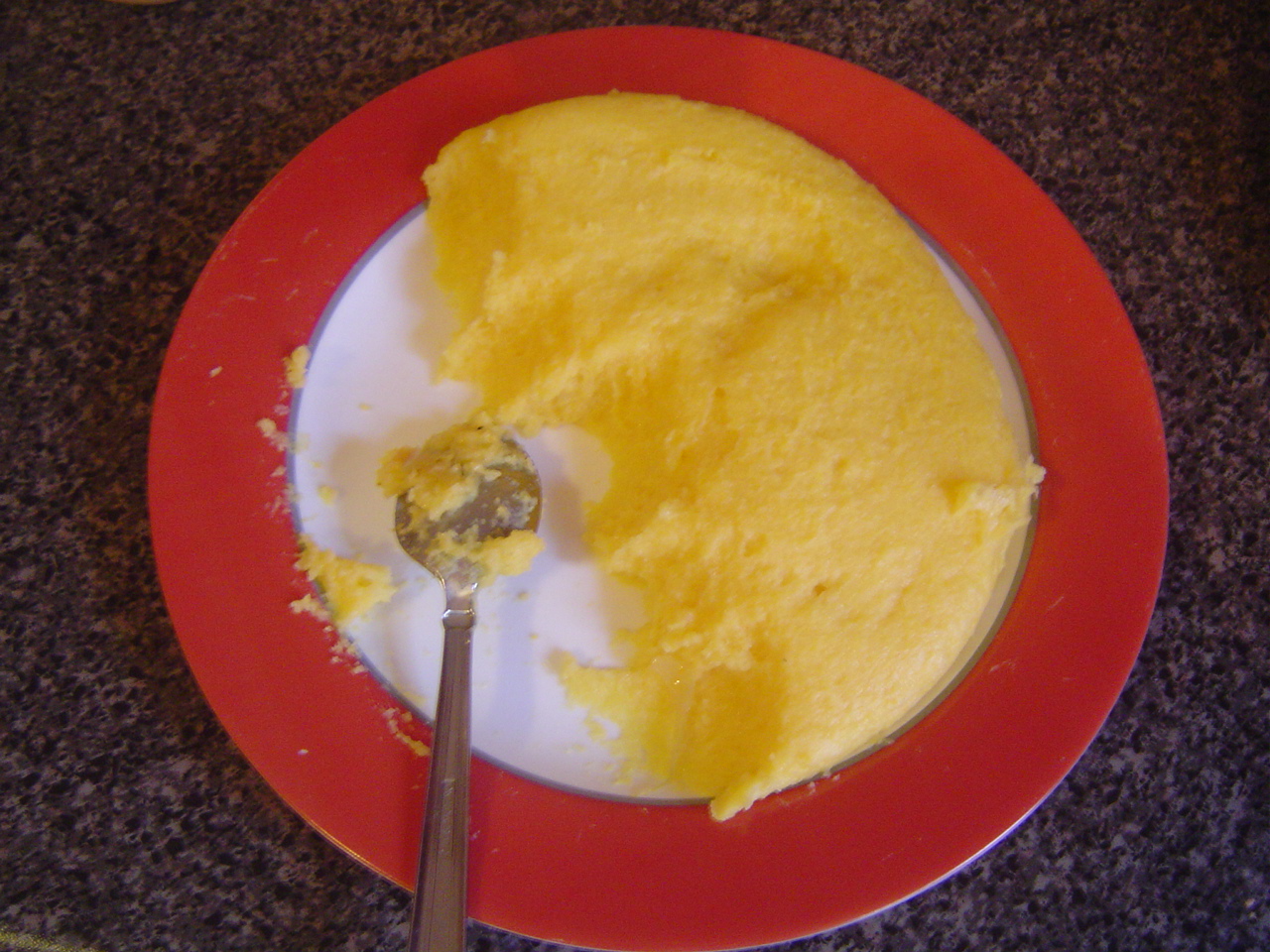 MămăligăVegan
🇷🇴 Romania and 3 moreThick cornmeal porridge, a staple in Romania and Moldova
Main dish, Lunch, Dinner
MămăligăVegan
🇷🇴 Romania and 3 moreThick cornmeal porridge, a staple in Romania and Moldova
Main dish, Lunch, Dinner
 PljeskavicaMeatпљескавица
🇷🇸 Serbia and 5 moreGrilled Balkan patty of spiced minced meats, served hot with sides or in flatbread
Main dish, Lunch, Dinner
PljeskavicaMeatпљескавица
🇷🇸 Serbia and 5 moreGrilled Balkan patty of spiced minced meats, served hot with sides or in flatbread
Main dish, Lunch, Dinner
 PaskaVegetarianпаска
🇺🇦 Ukraine and 4 moreSweet, enriched bread made for Easter in Ukraine, Romania and nearby countries
Bread, Breakfast, Snacks
PaskaVegetarianпаска
🇺🇦 Ukraine and 4 moreSweet, enriched bread made for Easter in Ukraine, Romania and nearby countries
Bread, Breakfast, Snacks
 TaramasalataFish or seafoodταραμοσαλάτα
🇬🇷 Greece and 5 moreFish roe blended with oil, lemon and bread or potato, served as a meze spread
Sauce, pickle or ferment, Snacks
TaramasalataFish or seafoodταραμοσαλάτα
🇬🇷 Greece and 5 moreFish roe blended with oil, lemon and bread or potato, served as a meze spread
Sauce, pickle or ferment, Snacks
 CholentMeatטשאָלנט
🇫🇷 France and 5 moreA slow-cooked Jewish stew of meat, beans, grains and potatoes for the Sabbath
Stew or curry, Lunch
CholentMeatטשאָלנט
🇫🇷 France and 5 moreA slow-cooked Jewish stew of meat, beans, grains and potatoes for the Sabbath
Stew or curry, Lunch
 MacaroonVegetarian
🇫🇷 France and 5 moreSweet biscuit or small cake made from nuts or coconut and egg whites
Sweet or dessert, Snacks, Tea time
MacaroonVegetarian
🇫🇷 France and 5 moreSweet biscuit or small cake made from nuts or coconut and egg whites
Sweet or dessert, Snacks, Tea time
 Sarma
🇹🇷 Turkey and 5 moreLeaves wrapped around a filling of rice, minced meat and spices
Main dish, Lunch, Dinner
Sarma
🇹🇷 Turkey and 5 moreLeaves wrapped around a filling of rice, minced meat and spices
Main dish, Lunch, Dinner
 Deviled eggsVegetarian
🇬🇧 United Kingdom and 5 moreHard-boiled eggs filled with a seasoned yolk mixture, served cold
Main dish, Lunch, Dinner
Deviled eggsVegetarian
🇬🇧 United Kingdom and 5 moreHard-boiled eggs filled with a seasoned yolk mixture, served cold
Main dish, Lunch, Dinner
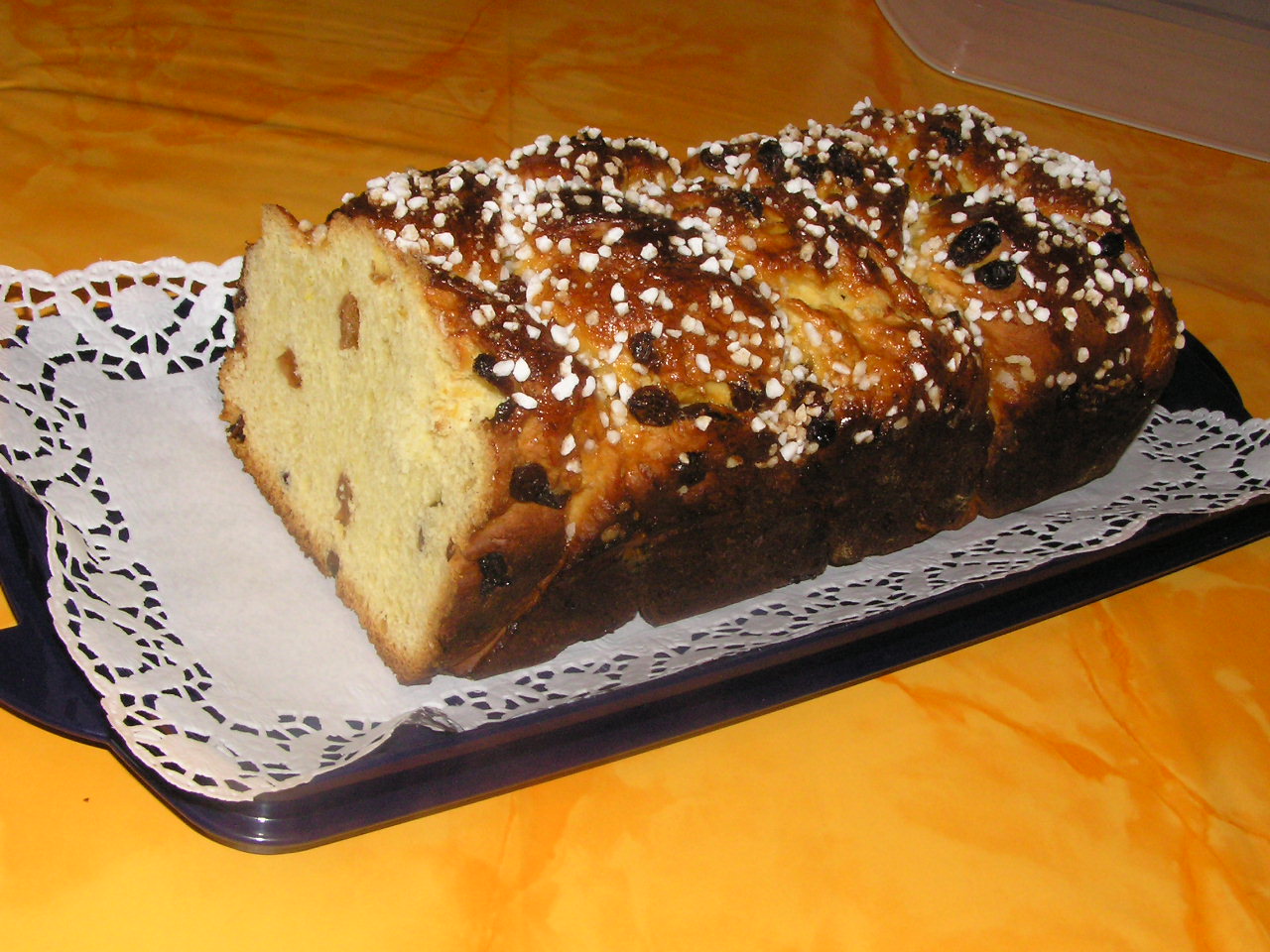 Cozonac
🇷🇴 Romania and 4 moreA sweet, enriched bread often filled with nuts or dried fruit, baked for Easter
Sweet or dessert, Tea time, Snacks
Cozonac
🇷🇴 Romania and 4 moreA sweet, enriched bread often filled with nuts or dried fruit, baked for Easter
Sweet or dessert, Tea time, Snacks
 Pörkölt
🇭🇺 Hungary and 4 moreHungarian stew of meat, paprika and onion, simmered with vegetables
Stew or curry, Lunch, Dinner
Pörkölt
🇭🇺 Hungary and 4 moreHungarian stew of meat, paprika and onion, simmered with vegetables
Stew or curry, Lunch, Dinner
 Chicken paprikashMeatpaprikás csirke
🇭🇺 Hungary and 2 moreChicken simmered in paprika sauce, often finished with sour cream
Main dish, Lunch, Dinner
Chicken paprikashMeatpaprikás csirke
🇭🇺 Hungary and 2 moreChicken simmered in paprika sauce, often finished with sour cream
Main dish, Lunch, Dinner
 KasseriVegetarianκασέρι
🇬🇷 Greece and 2 moreA semi-hard Greek cheese made from sheep’s milk, stretched and aged for months
Cheese or dairy food
KasseriVegetarianκασέρι
🇬🇷 Greece and 2 moreA semi-hard Greek cheese made from sheep’s milk, stretched and aged for months
Cheese or dairy food
 PapanașiVegetarian
🇷🇴 Romania and 1 moreCheese-based doughnuts or dumplings topped with cream and fruit preserves
Pie or savoury pastry
PapanașiVegetarian
🇷🇴 Romania and 1 moreCheese-based doughnuts or dumplings topped with cream and fruit preserves
Pie or savoury pastry