
Matcha
In its own language: 抹茶
Bright green Japanese tea powder made from shade-grown leaves
Matcha is a vivid green powder made by grinding shade-grown green tea leaves, mainly in Japan. The tea is whisked with hot water and drunk, especially in the Japanese tea ceremony. Its strong umami taste and color come from special growing and processing methods. Matcha is also used to flavor sweets and foods.
- Matcha is made from shade-grown green tea leaves called tencha
- It is whisked with hot water and served in Japanese tea ceremonies
- Matcha has a vivid green color and a strong umami taste
- The powder is also used in sweets, noodles, and ice cream
- True matcha must be made from shaded, steamed, and stone-ground leaves
What is Matcha?
Matcha is a fine, bright green powder made from specially grown green tea leaves. The leaves are shaded before harvest, which boosts their green color and gives the tea a strong, savory umami taste. After harvesting, the leaves are steamed, dried, and then ground into a smooth powder. Matcha is usually mixed with hot water and whisked until frothy. It has a grassy aroma and a rich, slightly sweet flavor. The powder is also used to color and flavor foods like sweets, noodles, and ice cream.
Where does Matcha come from?
Powdered tea began in China during the Tang and Song dynasties, where tea leaves were ground and whisked with hot water. Japanese monks brought this method to Japan in the 12th century. While powdered tea faded in China, Japan developed its own style, refining the process by shading the tea plants and stone-grinding the leaves. This led to the modern matcha known today, which became central to Japanese tea culture and ceremonies.
How is Matcha made?
To make matcha, tea plants are covered for several weeks before harvest to block sunlight. This shading increases the leaves' chlorophyll and amino acids, giving them a bright green color and rich flavor. The leaves, called tencha, are steamed, dried, and then ground into a fine powder using stone mills. The powder is sifted to ensure smoothness. Only the tender leaves are used, and the process avoids rolling the leaves, which is common in other teas.


How and when is Matcha eaten?
Matcha is most often enjoyed as a hot drink, whisked with water in a bowl. It is the focus of the Japanese tea ceremony, where preparing and drinking matcha is a meditative practice. Outside ceremonies, matcha is used to flavor and color foods such as mochi, noodles, ice cream, and traditional Japanese sweets. Some less expensive matcha, made from non-shaded leaves, is used mainly for cooking and food products.
Kinds of Matcha
High-quality matcha is traditionally made in Japan, but China and South Korea now produce it as well. Japanese matcha is prized for its color and taste, while Chinese matcha is often used for processed foods due to its lower cost. Some products labeled as matcha may use regular green tea powder, which lacks the shading and flavor of true matcha. Color additives are sometimes used in cheaper versions for foods.
What Matcha means
Matcha is deeply linked to Japanese culture, especially through the tea ceremony, which is both a social and spiritual event. The ceremony emphasizes mindfulness and respect, with matcha at its center. Buddhist monks first brought powdered tea to Japan, and it remains tied to Zen Buddhist practice. Today, matcha is enjoyed worldwide and features in many foods and drinks beyond traditional settings.
Questions people ask about Matcha
What is matcha made from?
Matcha is made from green tea leaves called tencha, which are shaded before harvest, then steamed, dried, and ground into a fine powder.
Where does matcha come from?
Matcha developed in Japan from earlier Chinese powdered tea traditions. Today, it is mainly produced in Japan, but also in China and South Korea.
How is matcha different from regular green tea?
Unlike regular green tea, matcha uses shade-grown leaves and is ground into a powder, which is whisked directly into water rather than steeped.
How is matcha usually prepared?
Matcha powder is whisked with hot water in a bowl until frothy. It is often served as part of the Japanese tea ceremony.
Can matcha be used in food?
Yes, matcha is used to flavor and color foods such as mochi, noodles, ice cream, and Japanese sweets.
Good reading and sources
- Encyclopaedia BritannicaArticle
- The matcha moment: why even KitKats now taste of green teaThe Guardian, Article
- Japan struggles to fend off a world without enough matchaThe Japan Times, Article
The facts on this page come from the Wikipedia article "Matcha", written by its contributors and used under the CC BY-SA 4.0 licence, and from its Wikidata record (CC0). Thali rewrote the text in its own words, with AI assistance, and compares every page with the article to make sure no passage is copied. It may be reused under the same CC BY-SA 4.0 licence with a link back.
It may contain mistakes, and it is not dietary or allergy advice: recipes differ from cook to cook. If something is wrong, tell us. Last refreshed 2026-10-03.
More from Japan
All the food of Japan TeaVegan茶
🇨🇳 China and 5 moreA drink made by soaking tea leaves in hot or cold water
Drink
TeaVegan茶
🇨🇳 China and 5 moreA drink made by soaking tea leaves in hot or cold water
Drink
 Ice cream
🇺🇸 United States and 5 moreA frozen dessert made from sweetened, flavoured milk or cream
Sweet or dessert, Snacks
Ice cream
🇺🇸 United States and 5 moreA frozen dessert made from sweetened, flavoured milk or cream
Sweet or dessert, Snacks
 SakeVegan酒
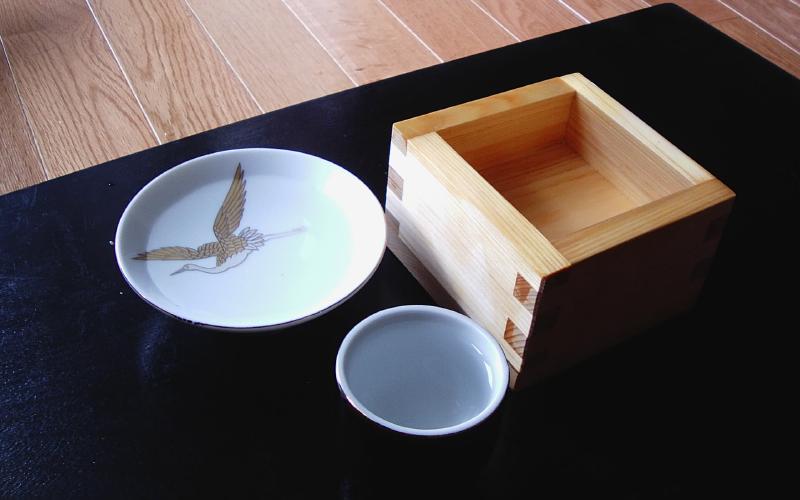
🇯🇵 JapanJapanese alcoholic drink brewed from polished rice and kōji mold
Drink
SakeVegan酒
🇯🇵 JapanJapanese alcoholic drink brewed from polished rice and kōji mold
Drink
 Bubble tea珍珠奶茶
🇹🇼 Taiwan and 5 moreSweet tea with chewy tapioca pearls, served hot or cold
Drink
Bubble tea珍珠奶茶
🇹🇼 Taiwan and 5 moreSweet tea with chewy tapioca pearls, served hot or cold
Drink
Its cousins elsewhere
All drinks ChampagneVegan
🇫🇷 FranceSparkling wine made only in France’s Champagne region using traditional bottle fermentation
Drink
ChampagneVegan
🇫🇷 FranceSparkling wine made only in France’s Champagne region using traditional bottle fermentation
Drink
 TequilaVegan
🇲🇽 MexicoMexican spirit distilled from blue agave in Jalisco and nearby regions
Drink
TequilaVegan
🇲🇽 MexicoMexican spirit distilled from blue agave in Jalisco and nearby regions
Drink
 CognacVegan
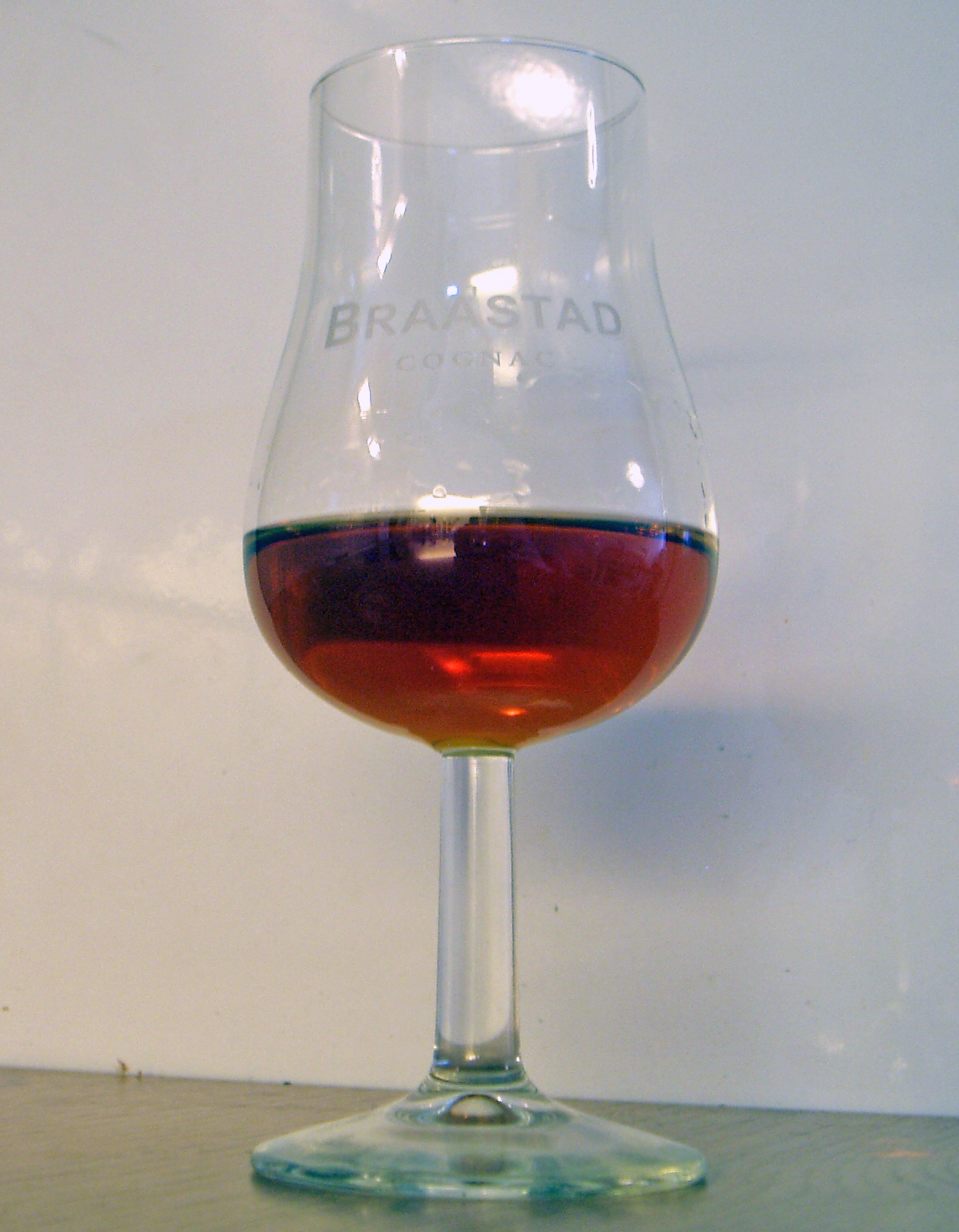
🇫🇷 FranceFrench brandy distilled from local white grapes and aged in oak casks
Drink
CognacVegan
🇫🇷 FranceFrench brandy distilled from local white grapes and aged in oak casks
Drink
 CappuccinoVegetarian
🇮🇹 Italy and 5 moreEspresso with steamed milk and a thick layer of milk foam, served in a small cup
Drink, Breakfast
CappuccinoVegetarian
🇮🇹 Italy and 5 moreEspresso with steamed milk and a thick layer of milk foam, served in a small cup
Drink, Breakfast