
Mie ayam
Indonesian wheat noodles topped with seasoned chicken and served with broth
Mie ayam is an Indonesian dish of yellow wheat noodles topped with diced chicken cooked in soy sauce and spices. The noodles are usually served hot, with a side of chicken broth, greens like Chinese cabbage, and sometimes mushrooms or wontons. It is sold everywhere from street stalls to restaurants and is a popular everyday meal.
- Mie ayam uses yellow wheat noodles topped with seasoned chicken.
- It is served hot, often with a side of chicken broth and greens.
- Wonogiri in Java is famous for its mie ayam sellers.
- Variants include salty and sweet versions, and colorful noodles.
- Street vendors and restaurants across Indonesia serve mie ayam.
What is Mie ayam?
Mie ayam is a bowl of yellow wheat noodles, usually springy and lightly coated in oil, topped with diced chicken that has been cooked in soy sauce, garlic, and sometimes mushrooms. The dish is finished with chopped scallions and often comes with a side of clear chicken broth and boiled Chinese cabbage. Some versions add fried or boiled wontons, meatballs, or pickled vegetables. The taste is savory, with a hint of sweetness from the soy sauce, and the chicken is tender and flavorful.
Where does Mie ayam come from?
Mie ayam has roots in Chinese noodle traditions, brought to Indonesia by Chinese communities who have lived there since at least the 13th century. The dish evolved as bakmi, originally served with pork, was adapted for Indonesia’s Muslim majority by using chicken instead. Wonogiri in Java is known as a center for mie ayam, with local sellers tracing their trade back to Chinese food stalls in Solo’s Chinatown. Over time, mie ayam became a staple across Indonesia, blending Chinese techniques with local tastes and ingredients.
How is Mie ayam made?
To make mie ayam, yellow wheat noodles are boiled until just tender, then tossed with oil (often chicken fat or vegetable oil), soy sauce, and garlic to keep them separate and flavorful. Diced chicken is simmered with soy sauce, garlic, and sometimes mushrooms until well seasoned. The chicken mixture is placed on top of the noodles, which are garnished with scallions. The dish is served hot, usually with a separate bowl of chicken broth and boiled Chinese cabbage. Optional extras include wontons, meatballs, or pickled cucumber and chili.


How and when is Mie ayam eaten?
Mie ayam is eaten as a main meal, commonly for lunch or dinner. It is found everywhere in Indonesia, from street carts and small warung (food stalls) to restaurants. Diners often customize their bowl with condiments like chili sauce, pickled vegetables, or fried shallots. A bowl of broth is typically served on the side, and some enjoy adding wontons or meatballs. It is a casual, everyday food enjoyed by people of all backgrounds.
Kinds of Mie ayam
There are many regional and modern versions of mie ayam. Bangka-style uses savory minced chicken and bean sprouts, with the broth served separately. Jakarta’s ayam kampung version features chewy noodles and free-range chicken. Wonogiri-style is known for sweet diced chicken and a special chili sauce made with sweet potato. Colorful noodles are made by adding spinach, beetroot, or other natural colorings to the dough. Some stalls offer rice vermicelli or flat noodles instead of wheat noodles.
What Mie ayam means
Mie ayam is a symbol of Indonesia’s Chinese-Indonesian culinary heritage and is enjoyed by people of all backgrounds. It is sold by street vendors who often push carts through neighborhoods, making it accessible and affordable. The dish is so popular that Wonogiri is sometimes called the capital of mie ayam. While it has Chinese roots, mie ayam has become a beloved part of everyday Indonesian food culture.
Questions people ask about Mie ayam
What is mie ayam made of?
Mie ayam consists of yellow wheat noodles topped with diced chicken cooked in soy sauce, garlic, and sometimes mushrooms. It is usually served with chicken broth, Chinese cabbage, and scallions.
Where does mie ayam come from?
Mie ayam comes from Indonesia and has roots in Chinese noodle dishes. It became popular as Chinese communities adapted their recipes to local tastes, especially in places like Wonogiri and Solo.
How is mie ayam served?
Mie ayam is served hot, with the noodles and chicken in a bowl and a separate bowl of chicken broth. It often includes greens like Chinese cabbage and may be topped with scallions, wontons, or meatballs.
Are there different types of mie ayam?
Yes, there are salty and sweet versions, as well as regional styles like Bangka, Jakarta, and Wonogiri. Some versions use colorful noodles made with vegetables or replace wheat noodles with rice vermicelli or flat noodles.
Is mie ayam a street food or restaurant dish?
Mie ayam is both a street food and a restaurant dish in Indonesia. It is sold by street vendors, small food stalls, and restaurants, making it widely available and popular for everyday meals.
Good reading and sources
The facts on this page come from the Wikipedia article "Mie ayam", written by its contributors and used under the CC BY-SA 4.0 licence, and from its Wikidata record (CC0). Thali rewrote the text in its own words, with AI assistance, and compares every page with the article to make sure no passage is copied. It may be reused under the same CC BY-SA 4.0 licence with a link back.
It may contain mistakes, and it is not dietary or allergy advice: recipes differ from cook to cook. If something is wrong, tell us. Last refreshed 2026-10-03.
More from Indonesia
All the food of Indonesia Biryani
🇮🇳 India and 5 moreRice and spiced meat or vegetables layered and cooked together
Main dish, Lunch, Dinner
Biryani
🇮🇳 India and 5 moreRice and spiced meat or vegetables layered and cooked together
Main dish, Lunch, Dinner
 Roti canaiரொட்டி சென்னை
🇲🇾 Malaysia and 5 moreUnleavened flatbread tossed thin and cooked until crisp, served with curry or dal
Bread, Breakfast, Snacks
Roti canaiரொட்டி சென்னை
🇲🇾 Malaysia and 5 moreUnleavened flatbread tossed thin and cooked until crisp, served with curry or dal
Bread, Breakfast, Snacks
 BreadfruitVegan
🇵🇭 Philippines and 4 moreLarge tropical fruit cooked as a starchy staple in many island cuisines
Main dish, Lunch, Dinner
BreadfruitVegan
🇵🇭 Philippines and 4 moreLarge tropical fruit cooked as a starchy staple in many island cuisines
Main dish, Lunch, Dinner
Its cousins elsewhere
All main dishes Coq au vinMeat
🇫🇷 FranceFrench chicken braised slowly in red wine with lardons and mushrooms
Main dish, Lunch, Dinner
Coq au vinMeat
🇫🇷 FranceFrench chicken braised slowly in red wine with lardons and mushrooms
Main dish, Lunch, Dinner
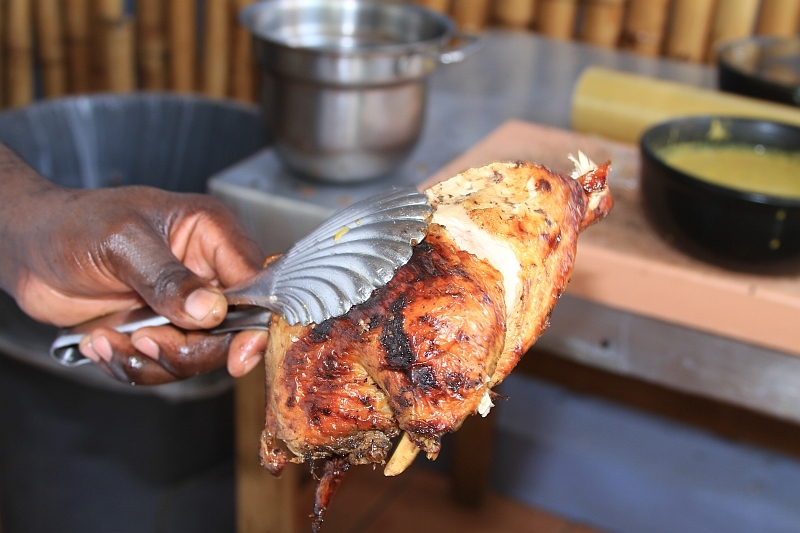 Jerk
🇯🇲 Jamaica and 5 moreMeat marinated with hot spices and smoked over pimento wood
Main dish, Lunch, Dinner
Jerk
🇯🇲 Jamaica and 5 moreMeat marinated with hot spices and smoked over pimento wood
Main dish, Lunch, Dinner
 Arroz chaufa
🇵🇪 PeruPeruvian fried rice with meat, egg, vegetables and soy sauce
Main dish, Lunch, Dinner
Arroz chaufa
🇵🇪 PeruPeruvian fried rice with meat, egg, vegetables and soy sauce
Main dish, Lunch, Dinner
 Al ajillo
🇪🇸 Spain and 2 moreSeafood, meat or mushrooms cooked with garlic and chili in Spanish and Latin cuisines
Main dish, Lunch, Dinner
Al ajillo
🇪🇸 Spain and 2 moreSeafood, meat or mushrooms cooked with garlic and chili in Spanish and Latin cuisines
Main dish, Lunch, Dinner