
Mote
In its own language: mut'i
Boiled maize or wheat grains, often nixtamalized, eaten across South America
Mote is a traditional food made by boiling maize or wheat grains, often with ash or lime, found in many South American countries. The grains are sometimes hulled and can be served alone, in stews, soups, or as a side to meats and other dishes. Mote is eaten in Argentina, Bolivia, Chile, Ecuador, Peru, and Venezuela, with each region having its own style and uses.
- Mote is made by boiling grains with ash or lime (nixtamalization).
- It is eaten in Argentina, Bolivia, Chile, Ecuador, Peru, and Venezuela.
- Mote can be made from maize or wheat, sometimes with beans or meat.
- In Ecuador and Peru, it is often served peeled.
- The giant corn mote of Cusco is a well-known variety.
What is Mote?
Mote is a dish of boiled grains, mainly maize or wheat, common in several South American countries. The grains are typically soaked and cooked in water with ash or lime, a process called nixtamalization, which helps remove the husk and changes the texture. Mote can be made with white corn, wheat, or occasionally other grains and beans. The result is soft, plump kernels, sometimes served peeled, and used in soups, stews, or as a side. The taste is mild and slightly earthy, with a chewy texture.
Where does Mote come from?
The word 'mote' comes from the Quechua term 'mut'i', later adopted into Spanish. Mote has long been a staple for Native American groups, especially for those traveling on hunting or war expeditions. While its exact origins are not detailed, the dish is widespread across the Andes and other regions, with each country developing its own methods and uses. The practice of boiling grains with alkaline substances like ash or lime is ancient and helps improve the grain's digestibility and flavor.
How is Mote made?
To make mote, maize or wheat grains are boiled in water with added ash or lime, which makes the water alkaline. This process, called nixtamalization, loosens the husk and softens the grain. In some places, the grains are served with the husk on; in others, they are peeled after boiling. Mote may be eaten plain, or cooked further with meats, beans, or vegetables in stews and soups. Sometimes, the grains are used as a base for drinks or doughs.

How and when is Mote eaten?
Mote is eaten in many ways depending on the region. It can be a main dish, a side, or an ingredient in soups and stews. In Ecuador, it often accompanies pork dishes or is added to soups. In Argentina, it may be served as a stew or with a drink. In Chile, it appears in both sweet and savory dishes, and in Venezuela, it is sometimes cooked with meats or used for arepas. Mote is an everyday food, eaten at home or in communal settings.
Kinds of Mote
Each country has its own take on mote. In Peru, a giant corn variety is prized in Cusco. In Argentina, meats like llama or goat may be added, and wheat or beans can be used. Chile uses both wheat and corn, with wheat mote common in drinks and desserts. In Bolivia, the grain may be served with or without its husk, and in Venezuela, different meats or offal are added depending on the region. Some versions use wheat instead of maize.
What Mote means
Mote is deeply rooted in the food traditions of the Andes and other South American regions. It was vital for Native American travelers and remains a staple in rural and urban diets. In some places, special varieties of corn are celebrated, like the giant mote of Cusco. Mote is also linked to local drinks and festive foods, and its preparation reflects the agricultural and culinary history of each region.
Questions people ask about Mote
What is mote made of?
Mote is made from maize or wheat grains, which are boiled in water with ash or lime to soften and sometimes remove the husk. In some regions, it can also include beans or pieces of meat.
Where does mote come from?
Mote is eaten across South America, especially in Argentina, Bolivia, Chile, Ecuador, Peru, and Venezuela. The name comes from the Quechua word 'mut'i'.
How is mote prepared?
The grains are boiled in water made alkaline with ash or lime, a process called nixtamalization. This helps remove the husk and changes the texture. The cooked grains can be served plain or with other ingredients.
How is mote eaten?
Mote can be eaten alone, as a side dish, or as part of soups and stews. In different countries, it may be served with meats, beans, or vegetables, and sometimes used in drinks or desserts.
Are there different types of mote?
Yes, there are many regional versions. Some use maize, others wheat, and some add meats or beans. In Peru, a giant corn variety is famous, while in Chile, wheat mote is common in sweet drinks.
Good reading and sources
The facts on this page come from the Wikipedia article "Mote (food)", written by its contributors and used under the CC BY-SA 4.0 licence, and from its Wikidata record (CC0). Thali rewrote the text in its own words, with AI assistance, and compares every page with the article to make sure no passage is copied. It may be reused under the same CC BY-SA 4.0 licence with a link back.
It may contain mistakes, and it is not dietary or allergy advice: recipes differ from cook to cook. If something is wrong, tell us. Last refreshed 2026-10-03.
More from Argentina
All the food of Argentina Pizza
🇮🇹 Italy and 4 moreFlatbread topped with tomato, cheese and baked at high heat
Main dish, Lunch, Dinner
Pizza
🇮🇹 Italy and 4 moreFlatbread topped with tomato, cheese and baked at high heat
Main dish, Lunch, Dinner
 Pie
🇬🇧 United Kingdom and 5 moreA baked dish with a pastry crust and sweet or savoury filling
Main dish, Lunch, Dinner
Pie
🇬🇧 United Kingdom and 5 moreA baked dish with a pastry crust and sweet or savoury filling
Main dish, Lunch, Dinner
 BarbacoaMeat
🇲🇽 Mexico and 3 moreMeat slow-cooked in a pit lined with agave or banana leaves
Main dish, Lunch, Dinner
BarbacoaMeat
🇲🇽 Mexico and 3 moreMeat slow-cooked in a pit lined with agave or banana leaves
Main dish, Lunch, Dinner
 ChunchulloMeat
🇦🇷 Argentina and 5 moreBraided and roasted small intestine, a grill favorite in Latin America
Main dish, Lunch, Dinner
ChunchulloMeat
🇦🇷 Argentina and 5 moreBraided and roasted small intestine, a grill favorite in Latin America
Main dish, Lunch, Dinner
Its cousins elsewhere
All main dishes Gofio
🇪🇸 Spain and 5 moreFinely milled roasted grain flour from the Canary Islands, used in many ways
Main dish, Breakfast, Lunch
Gofio
🇪🇸 Spain and 5 moreFinely milled roasted grain flour from the Canary Islands, used in many ways
Main dish, Breakfast, Lunch
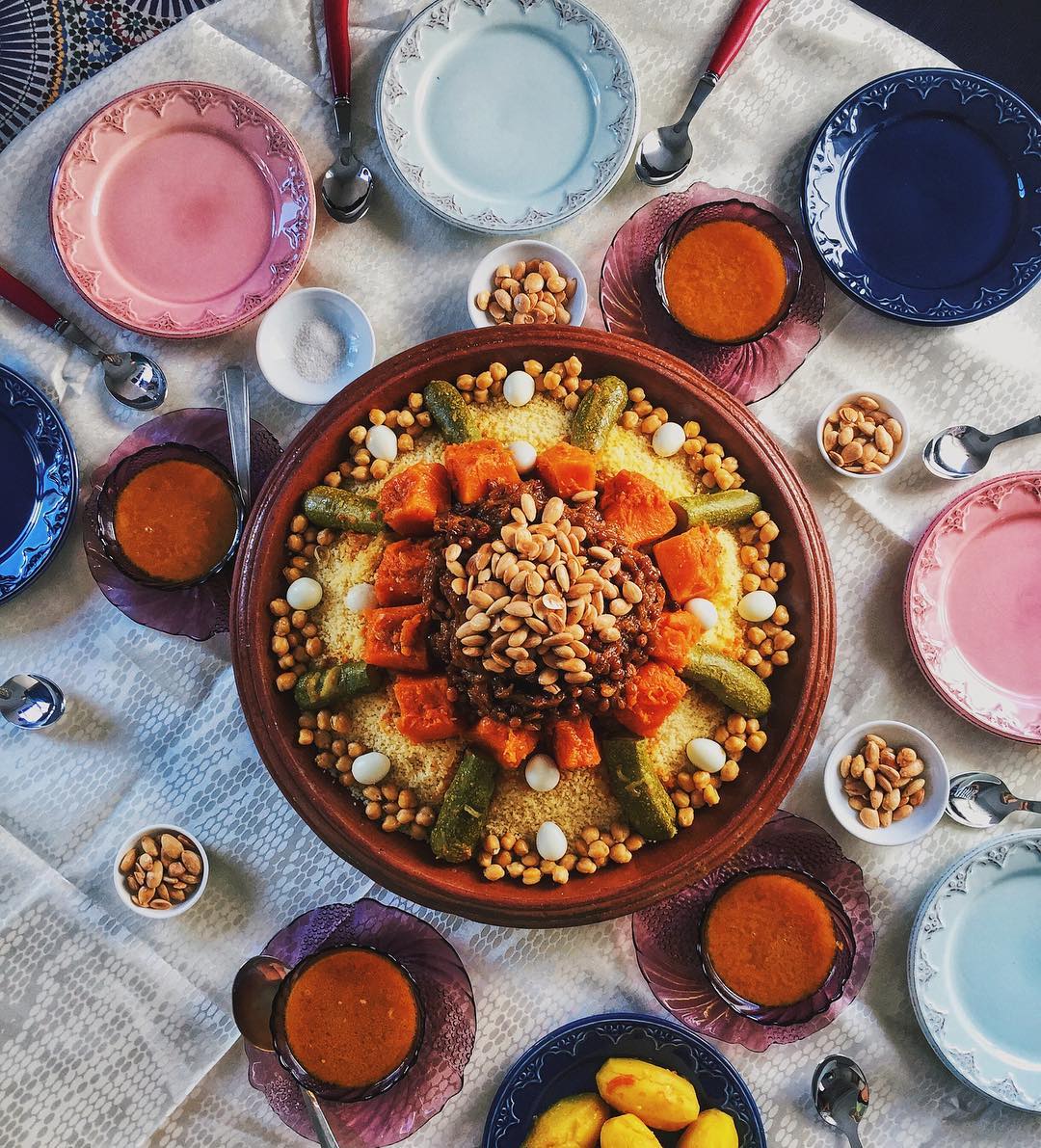 Couscousseksu
🇩🇿 Algeria and 4 moreSteamed semolina granules served with stew or vegetables across North Africa
Main dish, Lunch, Dinner
Couscousseksu
🇩🇿 Algeria and 4 moreSteamed semolina granules served with stew or vegetables across North Africa
Main dish, Lunch, Dinner
 Burrito
🇲🇽 Mexico and 1 moreA wheat flour tortilla wrapped around a savory filling, eaten by hand or with sauce
Main dish, Breakfast, Lunch
Burrito
🇲🇽 Mexico and 1 moreA wheat flour tortilla wrapped around a savory filling, eaten by hand or with sauce
Main dish, Breakfast, Lunch
 Nachos
🇲🇽 Mexico and 1 moreTortilla chips topped with melted cheese and a mix of savory garnishes
Main dish, Snacks, Lunch
Nachos
🇲🇽 Mexico and 1 moreTortilla chips topped with melted cheese and a mix of savory garnishes
Main dish, Snacks, Lunch